The Benefits of Distance Learning in Business
In today’s rapidly evolving business landscape, distance learning has emerged as a game-changer for professional development. With its unparalleled flexibility and accessibility, distance learning offers a multitude of advantages for businesses seeking to invest in the growth and upskilling of their workforce. Whether it’s acquiring new skills, obtaining industry certifications, or pursuing advanced degrees, distance learning provides employees with the opportunity to learn at their own pace and from anywhere in the world.
Flexibility and Convenience of Distance Learning
One of the primary benefits of distance learning is the flexibility it offers to both businesses and employees. Unlike traditional classroom-based training programs, distance learning allows individuals to access course materials and lectures at their convenience. This means that employees can fit their learning around their work commitments, eliminating the need for time off or disrupting their productivity. With distance learning, employees have the freedom to create a study schedule that best suits their needs, whether it’s early in the morning, late at night, or during their lunch break. This flexibility ensures that learning becomes a seamless part of their daily routine, leading to better retention of knowledge and skills.
The convenience of distance learning is further enhanced by the fact that employees can access course materials from anywhere in the world. Whether they are working remotely, traveling for business, or simply prefer to learn from the comfort of their own homes, distance learning eliminates the constraints of geographical location. This opens up a world of opportunities for businesses operating in multiple locations or with a global workforce. Employees can collaborate and learn together, regardless of their physical location, fostering a sense of unity and shared learning experience.
In addition to flexibility and convenience, distance learning also offers significant cost savings for businesses.
Cost-Effectiveness of Distance Learning
Travel expenses can quickly add up when sending employees to attend in-person training sessions or workshops. From airfare and accommodation to meals and transportation, the costs associated with business travel can place a strain on a company’s budget. However, with distance learning, these expenses can be significantly reduced or even eliminated altogether. Employees can participate in training programs and courses remotely, eliminating the need for costly travel arrangements. This not only saves money but also maximizes productivity, as employees can continue working while simultaneously acquiring new skills and knowledge.
Moreover, distance learning eliminates the need for physical classroom space and instructor fees, further reducing costs for businesses. Instead of investing in a dedicated training facility, businesses can leverage existing digital platforms and learning management systems to deliver distance learning programs. This allows for scalability and the ability to reach a larger audience without the need for additional resources. By embracing distance learning, businesses can allocate their training budget more effectively, investing in high-quality, industry-specific courses and programs that deliver tangible results.
Access to a Wide Range of Courses and Programs
Distance learning opens up a vast array of learning opportunities for businesses and their employees. With the rise of online educational platforms and e-learning providers, there is an extensive selection of courses and programs available across various industries and disciplines. From technical skills such as coding and data analysis to soft skills like leadership and communication, employees can choose from a wide range of subjects that align with their career goals and interests.
This diverse selection of courses and programs ensures that employees receive training that is tailored to their specific needs and the requirements of their roles. It allows businesses to upskill their workforce in a targeted manner, ensuring that employees acquire the knowledge and competencies necessary to excel in their jobs. Additionally, distance learning provides the opportunity for employees to obtain industry certifications and qualifications that enhance their professional credibility and open doors for career advancement.
Ability to Balance Work and Education
One of the key challenges employees face when pursuing further education is the difficulty of balancing their work commitments with their studies. Traditional classroom-based learning often requires individuals to take time off work or rearrange their schedules to attend classes. This can be disruptive and may result in decreased productivity or increased stress levels.
Distance learning, on the other hand, allows employees to seamlessly integrate their education into their work routine. By offering the flexibility to study at their own pace and on their own terms, distance learning enables employees to strike a balance between their professional responsibilities and their educational pursuits. This not only reduces stress but also ensures that employees can continue to perform at their best in their job roles.
Furthermore, distance learning equips employees with valuable skills such as self-discipline and time management. With the responsibility of managing their own learning schedule and deadlines, employees develop a sense of accountability and become adept at prioritizing tasks. These skills are highly transferable and can have a positive impact on their overall job performance.
Networking Opportunities in Distance Learning
Contrary to popular belief, distance learning does not isolate employees from their peers or hinder their networking opportunities. On the contrary, distance learning provides a unique platform for individuals to connect with like-minded professionals from around the world. Through online discussion forums, virtual classrooms, and collaborative projects, employees can engage in meaningful interactions and exchange ideas with a diverse group of individuals.
The networking opportunities offered by distance learning are particularly valuable for businesses that operate in niche industries or have a limited local talent pool. By connecting with professionals from different backgrounds and geographical locations, employees gain access to a broader network of industry experts, mentors, and potential collaborators. This enables businesses to tap into a wealth of knowledge and expertise, fostering innovation and driving organizational growth.
Enhanced Self-Discipline and Time Management Skills
Distance learning requires a high level of self-discipline and self-motivation. Without the structure and accountability of traditional classroom settings, employees must take ownership of their learning journey. This cultivates a sense of self-discipline and instills the ability to manage time effectively.
Employees who excel in distance learning develop strong organizational skills, setting realistic goals and deadlines for themselves. They learn to prioritize tasks, allocate time for studying, and manage their workload efficiently. These skills are not only invaluable in the context of education but also highly transferable to the workplace. Employees who possess strong self-discipline and time management skills are more likely to meet deadlines, handle multiple projects simultaneously, and maintain a high level of productivity.
Increased Technological Proficiency
In today’s digital age, technological proficiency is a crucial skill for employees across all industries. Distance learning provides employees with the opportunity to enhance their technological skills and become familiar with the latest digital tools and platforms.
By participating in distance learning programs, employees develop a level of comfort and proficiency with online communication, collaboration, and learning management systems. They learn to navigate virtual classrooms, engage in video conferences, and utilize online resources effectively. This increased technological proficiency not only enhances their learning experience but also equips them with the skills necessary to thrive in a digital workplace.
Recognition and Credibility of Distance Learning Credentials
Distance learning has come a long way in terms of recognition and credibility. In the past, there may have been skepticism surrounding the value of online education and the qualifications obtained through distance learning. However, as technology has advanced and online learning platforms have evolved, distance learning credentials are now widely recognized and respected by employers and industry professionals.
Many reputable universities and educational institutions offer online programs that are on par with their traditional counterparts. These programs often have the same curriculum, faculty, and rigorous assessment standards, ensuring that the knowledge and skills acquired through distance learning are of the highest quality. As a result, employees who obtain certifications or degrees through distance learning can showcase their credentials confidently, knowing that they hold the same weight and significance as those obtained through traditional means.
Conclusion: Embracing Distance Learning in Business
As the business landscape continues to evolve, distance learning has emerged as a powerful tool for professional development and growth. Its flexibility, cost-effectiveness, and accessibility make it an ideal choice for businesses seeking to invest in the upskilling of their workforce. By incorporating distance learning into their training and development initiatives, businesses can unlock a myriad of benefits, ranging from increased productivity and job satisfaction to enhanced skills and knowledge.
Whether you are a small start-up or a multinational corporation, distance learning holds the key to unlocking a brighter future for your business and your workforce. Embrace the transformative power of virtual classrooms and empower your employees to learn and thrive in the digital age. With distance learning, the possibilities are endless, and the rewards are limitless.

Where do we go next working in eLearning?

Image Source: FreeImages
In recent years, advancements in technology have revolutionized the way we learn and work. The rise of eLearning, driven by AI-driven tools, has transformed the education and training industry. As we look towards the future, it’s important to understand the key trends and developments that will shape the future of eLearning.
Personalized Learning Experiences: Tailoring Education to Individual Needs
Gone are the days when a one-size-fits-all approach to education was the norm. Today, learners expect a highly personalized learning experience. Adaptive learning, a concept that tailors course content to individual learners, is gaining traction. Imagine logging onto a career training platform that recommends courses based on your previous training and career interests. This is the future of eLearning.
According to the US Department of Education, personalized learning involves optimizing the pace of learning and instructional approaches to meet the needs of each learner. By using technology to customize lesson plans, eLearning platforms can reflect the interests and needs of individual students. This approach not only boosts engagement but also improves learning outcomes.
Microlearning and Gamification: Bite-sized and Engaging Learning Experiences
Microlearning, a method that delivers short bursts of content, has gained popularity in recent years. Learners can study short texts, videos, quizzes, and games at their convenience. This style of learning is ideal for employee onboarding, compliance training, and skill development. Its flexibility, information retention, and engagement benefits make it an effective training model.
Similarly, gamification has become a powerful tool in eLearning. By incorporating game elements into non-game contexts, such as quizzes, challenges, and rewards, learners are motivated and engaged. Gamification aids cognitive development, increases classroom engagement, and makes learning more accessible. The era of smartphones has further accelerated the popularity of gamified learning experiences.
Virtual and Augmented Reality: Immersive Learning Environments
Virtual Reality (VR) and Augmented Reality (AR) have transformed the way we experience and interact with the digital world. In the education sector, VR and AR have immense potential. With VR headsets, learners can immerse themselves in virtual learning environments, enabling interactive experiences and simulations. For example, universities can connect virtual students together, surgeons can practice techniques in a risk-free environment, and learners can embark on virtual field trips.
VR and AR have proven to improve retention rates and enhance the understanding of complex concepts. Experiential learning through these technologies allows learners to grasp concepts more effectively, improve creativity, and increase engagement. As VR and AR technologies continue to evolve, the possibilities for immersive eLearning experiences are limitless.
AI-powered Learning Assistance: Personalized Support and Enhanced Learning Outcomes
Artificial Intelligence (AI) has revolutionized the eLearning landscape. AI-powered learning assistants, like personal tutors, provide immediate feedback, support, and personalized learning experiences. These assistants can analyze learner behavior, recommend additional courses, and identify knowledge gaps. By adapting to individual learning styles and preferences, AI-powered learning assistance improves engagement, retention rates, and learning outcomes.
AI also enhances accessibility in eLearning. Real-time captioning and audio descriptions make content more inclusive and accessible to learners with disabilities. AI algorithms that analyze learner data and recommend personalized learning paths automate administrative tasks, such as grading and course management, saving time and resources.
Remote Learning: Transforming the Workplace and Education
The COVID-19 pandemic accelerated the shift towards remote work and learning. According to Forbes, by 2025, 32.6 million Americans will work remotely. The demand for flexible and hybrid work models has increased significantly. Companies are adapting by offering online training, webinars, and virtual conferences to upskill and train their employees.
The corporate sector has embraced eLearning as a regular aspect of ongoing training and upskilling. Fortune 500 companies are utilizing eLearning platforms for employee development. This shift towards remote learning has also opened up new opportunities for individuals to gain knowledge and skills from the comfort of their homes. The future of work and education will be shaped by remote learning and the integration of technology into our daily lives.
The Rise of Stackable Credentials: Building Careers with Continuous Learning
In today’s rapidly evolving job market, continuous learning and upskilling are essential for career advancement. Stackable credentials have gained popularity as professionals seek to climb the industry ranks faster than ever before. This approach involves stacking different types or levels of qualifications to demonstrate expertise and competency.
For marketers, certifications in areas such as machine learning and automation are becoming increasingly important. Marketing certifications establish credibility and showcase specialized knowledge. Platforms like Salesforce Trailhead and Google Digital Garage offer super badges, certifications, and microlearning modules to help professionals stay competitive and adapt to industry changes.
Shortening Pathways to New Skills: Innovative Learning Solutions
Recognizing the need for lifelong learning, universities and educational institutions are shortening pathways to new skills. They offer flexible programs that allow individuals to acquire new knowledge and skills while accommodating their existing commitments. For example, eCornell and UCLA Extension offer certificate programs that cover a wide range of subjects, including marketing. These programs provide the opportunity to learn from industry experts and earn valuable credentials.
By offering innovative learning solutions, universities are empowering individuals to keep up with the demands of the modern workforce. Short, focused skills allow learners to specialize in areas that are most relevant to their personal and professional goals. Platforms like LinkedIn Learning, HubSpot Academy, and Hootsuite Academy offer micro-certifications that can be displayed on professional profiles, showcasing expertise in specific areas.
The Importance of Personal Branding in a Competitive Marketplace
In today’s competitive marketplace, personal branding is crucial for career success. Building a strong personal brand ensures that your work is noticed for its quality, regardless of economic conditions. Dorie Clark, a renowned author and speaker, emphasizes that a strong personal brand is a form of personal career insurance. It sets you apart from the competition and establishes your reputation as an expert in your field.
Through personal branding efforts, individuals can showcase their skills, expertise, and unique value proposition. Online platforms like LinkedIn provide opportunities to build a professional network, share insights, and establish thought leadership. By consistently delivering high-quality work and leveraging digital platforms, professionals can enhance their personal brand and stand out in the digital age.
The Role of Technology in Transforming Education and Training
Technology plays a pivotal role in the future of eLearning. As advancements continue to reshape the education and training industry, it is essential to embrace and leverage technology effectively. The integration of AI, VR, and AR into eLearning platforms enhances learning experiences, improves accessibility, and personalizes learning paths.
Furthermore, the use of data analytics and learning management systems helps track learner progress, identify areas for improvement, and optimize learning outcomes. Technology empowers educators and learners by providing innovative tools and resources that facilitate knowledge acquisition and skill development.
Overcoming Challenges and Embracing Change
While the future of eLearning holds immense potential, it also presents challenges. Adapting to new technologies, ensuring inclusivity and accessibility, and maintaining learner engagement are key areas of focus. Educators and eLearning providers must continuously innovate and evolve to meet the changing needs of learners.
Collaboration between industry experts, educators, and technology providers is crucial in shaping the future of eLearning. By working together, we can leverage the power of technology to create engaging, personalized, and inclusive learning experiences that prepare individuals for the demands of the modern workforce.
Conclusion: Embracing a Future of Continuous Learning
The future of eLearning is exciting and dynamic. Personalized learning experiences, microlearning, VR and AR, AI-powered learning assistance, remote learning, stackable credentials, and innovative learning solutions are reshaping the education and training landscape. As professionals and learners, it is vital to embrace continuous learning, upskill ourselves, and adapt to the changing demands of the digital age.
By leveraging technology, building strong personal brands, and embracing the opportunities provided by eLearning platforms, we can navigate the changing landscape and thrive in the future of work and education. The future belongs to those who are willing to embrace innovation, embrace change, and invest in their own growth and development. Let’s embark on this journey together and shape the future of eLearning.

The Future of eLearning and How It Can Help Businesses
Welcome to a world where learning is accessible anytime, anywhere. The future of eLearning is here, and it is revolutionizing the way businesses train and educate their employees. No longer bound by physical classrooms or restrictive schedules, eLearning is proving to be a game-changer in the corporate world.
Advantages of eLearning for Businesses
The advantages of eLearning for businesses are numerous and far-reaching. One of the key benefits is the flexibility it offers. With eLearning, employees can access training materials at their convenience, allowing them to learn at their own pace. This flexibility is especially valuable for companies with remote or global teams, as it eliminates the need for costly and time-consuming travel.
Another advantage of eLearning is its scalability. Traditional training methods often require significant resources to accommodate a large number of employees. With eLearning, however, businesses can easily scale their training programs to reach a larger audience without incurring additional costs. This scalability makes eLearning a cost-effective solution for companies looking to train their workforce efficiently.
Furthermore, eLearning provides businesses with valuable data and insights. Through learning management systems and analytics tools, organizations can track and measure the effectiveness of their training initiatives. This data allows businesses to identify knowledge gaps, assess employee progress, and make data-driven decisions to improve their training programs continuously.
Incorporating eLearning into business training programs
eLearning has become an integral part of many business training programs, and for a good reason. Incorporating eLearning into training initiatives offers several benefits for both employees and organizations. Firstly, eLearning allows employees to access training materials anytime, anywhere, making it convenient and flexible for busy professionals. Additionally, eLearning modules can be designed to cater to different learning styles, ensuring that information is delivered in a way that resonates with each employee. This personalized approach to learning leads to higher engagement, increased retention, and ultimately, improved performance.
Creating effective eLearning content
To create effective eLearning content, it is essential to understand the principles of instructional design. Well-designed eLearning courses should have clear learning objectives, logical structure, and interactive elements to engage learners. Additionally, the content should be concise, visually appealing, and include multimedia elements such as videos, graphics, and animations to enhance the learning experience. By following these principles, businesses can ensure that their eLearning content is engaging, impactful, and effective in transferring knowledge.
Gamification in eLearning
Gamification is an effective strategy to enhance learner engagement and motivation in eLearning. By incorporating game mechanics such as points, badges, and leaderboards into eLearning courses, businesses can make the learning experience more enjoyable and immersive. Gamification also provides immediate feedback, rewards achievements, and creates a sense of competition, which drives learners to actively participate and excel in their training. With gamification, businesses can transform mundane training materials into interactive and engaging experiences that promote knowledge retention and skill development.
Personalisation and adaptive learning in eLearning
Personalization and adaptive learning are two trends shaping the future of eLearning. Personalization involves tailoring the learning experience to meet the individual needs of each learner. This can be achieved through adaptive learning technologies that use algorithms to analyze learner data and deliver personalized content and recommendations. By providing learners with customized learning paths, businesses can maximize engagement, optimize learning outcomes, and ensure that employees acquire the specific skills and knowledge required for their roles.
Mobile learning and the future of eLearning
With the increasing use of mobile devices, mobile learning, or mLearning, is becoming a significant part of the eLearning landscape. Mobile learning allows employees to access training materials on their smartphones or tablets, providing them with the flexibility to learn on the go. This accessibility and convenience make mLearning an ideal solution for just-in-time learning and microlearning. As technology continues to advance, we can expect to see more innovative mobile learning solutions that leverage augmented reality (AR) and virtual reality (VR) to create immersive and interactive learning experiences.
eLearning platforms and software
The future of eLearning lies in the advancements of eLearning platforms and software. These platforms provide businesses with the infrastructure and tools needed to create, deliver, and manage eLearning content. Modern eLearning platforms offer features such as content authoring, learning management, analytics, and integrations with other business systems. Additionally, they support a wide range of content formats, including videos, interactive quizzes, and simulations. As technology evolves, we can anticipate more sophisticated eLearning platforms that leverage artificial intelligence (AI) and machine learning (ML) to further enhance the learning experience and provide personalized recommendations.
In conclusion, the future of eLearning is bright and promising for businesses. The advantages of eLearning, such as flexibility, scalability, and data-driven insights, make it a powerful tool for training and upskilling employees. By incorporating eLearning into their training programs, businesses can improve productivity, drive innovation, and achieve sustainable growth.
As eLearning continues to evolve, we can expect to see advancements in areas such as gamification, personalisation, and mobile learning. With the right eLearning platforms and software, businesses can create engaging and effective training content that caters to the diverse needs of their workforce.
In this fast-paced digital era, embracing eLearning is no longer an option but a necessity for businesses to stay competitive. By harnessing the power of eLearning, companies can empower their employees with the knowledge and skills they need to succeed in today’s ever-changing business landscape. The future of eLearning is here, and it’s time for businesses to seize the opportunity and unlock their full potential.
Comparing education from 1990 and 2020
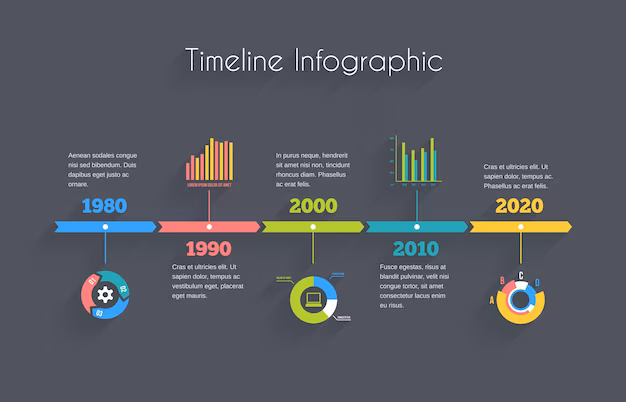
Discover how education has evolved over the past three decades as we compare the educational landscape from 1990 to 2020. The advancements in technology, changes in teaching methodologies, and the impact of global events have greatly influenced the way we learn and educate our future generations.
From blackboards to interactive whiteboards, hefty encyclopedias to the vast resources available online, and traditional teaching methods to e-learning platforms, the educational paradigm has shifted dramatically.
In 1990, education was mainly centered around traditional classroom settings, textbooks, and reliance on teachers as the primary source of knowledge. Fast forward to 2020, and we see a much more digitized and interdisciplinary approach to education. With the internet and technology at our fingertips, students now have access to an unlimited wealth of information, allowing for personalized learning experiences and the ability to connect with educators from around the world.
Join us on this insightful journey as we delve into the key differences and notable transformations that have shaped the educational landscape over the past thirty years. From the impact of technological advancements to the changing demands of the job market, we explore how education has adapted to meet the evolving needs of society.
Education in 1990
In 1990, education revolved around traditional classroom settings, where students would gather in a physical space to learn from a teacher. The primary mode of instruction was through textbooks, which contained all the necessary information for students to study and learn. Teachers were seen as the main authority figure and were responsible for imparting knowledge and facilitating discussions in the classroom.
The access to resources was limited to what was available within the four walls of the school. Students had to rely on libraries and encyclopedias to access additional information. Researching a topic required a trip to the library, where students would spend hours searching through books and taking notes. Collaboration with peers was limited to face-to-face interactions during class or group projects.
Standardized testing was a common practice in 1990. Students were assessed based on their ability to recall information from textbooks and lectures. The curriculum was often rigid and focused on rote memorization. Creativity, critical thinking, and problem-solving skills were not given as much importance as the ability to reproduce information.
Education in 2020
In contrast to 1990, education in 2020 has seen a significant shift towards a more digitized and interdisciplinary approach. Technology has become an integral part of the learning process, with students having access to a wide range of digital resources and online platforms. The internet has opened up a vast world of information, allowing students to explore topics beyond what is covered in textbooks.
Online learning has become increasingly popular, especially in the wake of the COVID-19 pandemic. E-learning platforms have gained prominence, providing students with the flexibility to learn at their own pace and access educational materials from anywhere in the world. Virtual classrooms and video conferencing tools have enabled students to connect with educators and classmates in real-time, fostering a sense of community and collaboration.
The emphasis on interdisciplinary learning has also grown in 2020. Educators recognize the importance of integrating various subjects and real-world applications into the curriculum. This approach allows students to develop a holistic understanding of the subjects they are studying and prepares them for the challenges of the modern world. The curriculum now focuses on developing critical thinking, problem-solving, and communication skills, along with subject-specific knowledge.
Technology in education
Technology has revolutionized education in the past thirty years. In 1990, classrooms were equipped with blackboards and chalk, while in 2020, interactive whiteboards and digital projectors have become the norm. These advancements have transformed the way information is presented and absorbed in the classroom.
In 1990, the use of computers was limited, and students relied heavily on pen and paper for assignments and note-taking. The internet was still in its infancy, and access to information was relatively restricted. As technology evolved, computers became more accessible, and the internet revolutionized the availability of information. Students now have the ability to research, collaborate, and create using a wide range of digital tools.
The integration of technology in education has also led to the development of educational apps, online learning platforms, and virtual reality experiences. These resources provide students with interactive and engaging learning experiences, making education more immersive and personalized. From virtual science experiments to interactive language lessons, technology has opened up new possibilities for education.
Teaching methods in 1990
In 1990, teaching methods relied heavily on lectures and direct instruction. Teachers were seen as the main source of knowledge, and students were expected to passively absorb information. Classroom discussions were limited, and students were expected to follow a set curriculum without much room for individual exploration or creativity.
Assessment in 1990 was primarily based on standardized tests and exams that focused on memorization and regurgitation of information. The emphasis was on getting the right answer rather than understanding the underlying concepts. This approach often left little room for students to develop critical thinking and problem-solving skills.
Teaching methods in 2020
Teaching methods in 2020 have evolved to be more student-centered and interactive. Educators now focus on creating a learner-centric environment that encourages active participation and critical thinking. Collaborative learning, group discussions, and project-based assignments are common practices in modern classrooms.
Teachers now act as facilitators, guiding students through the learning process rather than simply imparting knowledge. The use of technology has allowed for more interactive and engaging lessons, with multimedia presentations, online quizzes, and virtual simulations becoming commonplace. This shift in teaching methods aims to develop students’ analytical skills, creativity, and ability to work in teams.
Curriculum changes
The curriculum has undergone significant changes over the past three decades. In 1990, the focus was primarily on core subjects such as math, science, and language. The emphasis was on memorization and rote learning, with little attention given to practical applications or interdisciplinary connections.
In 2020, the curriculum has become more flexible and interdisciplinary. Educators recognize the importance of integrating subjects and real-world applications, allowing students to make connections across different disciplines. STEM (Science, Technology, Engineering, and Mathematics) education has gained prominence, preparing students for the demands of a technology-driven world.
There has also been an increased focus on social and emotional learning (SEL) in 2020. Educators now understand the importance of developing students’ interpersonal and emotional skills, such as empathy, communication, and resilience. The curriculum includes activities and lessons that promote positive mental health and well-being.
Student engagement and participation
The shift towards student-centered learning has led to increased student engagement and participation. In 1990, students were often passive recipients of information, with limited opportunities for active involvement in the learning process. Classroom discussions were rare, and student opinions were seldom sought.
In 2020, students are encouraged to take an active role in their education. They are given opportunities to voice their opinions, ask questions, and contribute to classroom discussions. Group projects, presentations, and hands-on activities are common strategies used to promote student engagement and collaboration. The use of technology and digital tools has also made learning more interactive and personalized, catering to individual learning styles and preferences.
Challenges and opportunities in education
The transformation of education from 1990 to 2020 has brought about both challenges and opportunities. While technology has opened up new possibilities for learning, it has also created a digital divide, with some students having limited access to resources and technology. The rapid pace of technological advancements also poses challenges for educators, who must continuously update their skills and adapt to new tools and platforms.
The changing demands of the job market have also impacted education. In 1990, the focus was primarily on acquiring knowledge and skills for specific professions. In 2020, the emphasis has shifted towards developing transferable skills such as critical thinking, problem-solving, and creativity. Educators must ensure that students are prepared for the rapidly evolving job market and the changing nature of work.
Despite these challenges, the advancements in technology and the shift towards student-centered learning present numerous opportunities for education. Students now have access to a wealth of information and resources, enabling them to explore their interests and pursue personalized learning paths. The ability to connect with educators and peers from around the world has also expanded students’ horizons, fostering global awareness and cultural understanding.
Conclusion
The educational landscape has undergone a remarkable transformation over the past three decades. From the traditional classroom settings and reliance on textbooks in 1990 to the digitized and interdisciplinary approach in 2020, education has adapted to meet the evolving needs of society. Technological advancements, changes in teaching methods, curriculum revisions, and increased student engagement have shaped the way we learn and educate our future generations.
As we continue to navigate the ever-changing educational landscape, it is crucial to embrace innovation, foster inclusivity, and prioritize the development of critical thinking and problem-solving skills. By harnessing the power of technology and providing students with personalized learning experiences, we can prepare them for the challenges and opportunities of the 21st century. Education is not just about acquiring knowledge but also about nurturing curiosity, creativity, and a lifelong love for learning.

What’s Next for Augmented Reality in eLearning
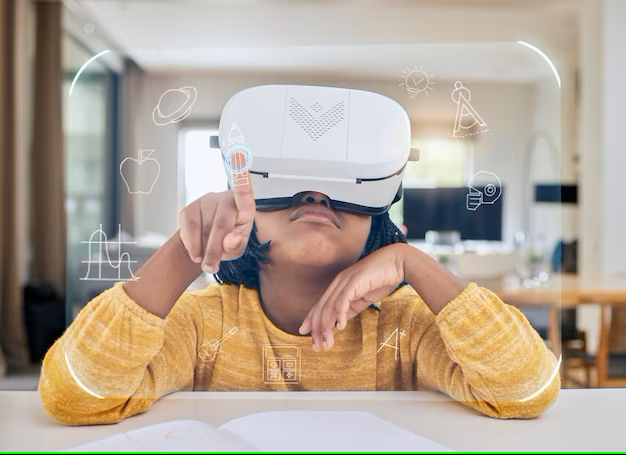
Image Source: FreeImages
In this article, we will explore the latest trends and advancements in augmented reality in eLearning and discuss how it can revolutionize the way we learn and teach. Get ready to embark on an exciting journey into the future of eLearning!
Introduction
In the ever-evolving landscape of eLearning, augmented reality (AR) has emerged as a game-changer. With its ability to overlay digital content onto the real world, AR opens up exciting possibilities for enhancing the learning experience. But what’s next for augmented reality in eLearning?
As technology continues to advance at a rapid pace, we can expect to see AR become more immersive, interactive, and seamlessly integrated into eLearning platforms. Learners will be able to interact with 3D models, simulations, and virtual environments, bringing complex concepts to life.
By incorporating AR into eLearning, brands can create engaging and memorable learning experiences that captivate learners’ attention and improve knowledge retention. Imagine learners exploring ancient historical sites with virtual tour guides or practicing crucial skills through realistic simulations.
Moreover, the rise of mobile devices and the increasing affordability of AR hardware are driving the adoption of AR in eLearning. This means that learners can access AR-enhanced content anytime, anywhere, making the learning experience more flexible and accessible.
Benefits of Using Augmented Reality in eLearning
Augmented reality offers numerous benefits when integrated into eLearning courses. Firstly, it provides a highly engaging and interactive learning experience. Learners can interact with virtual objects and environments, making the learning process more immersive and enjoyable. This level of interactivity increases motivation and enhances knowledge retention.
Secondly, AR allows for the visualization of complex concepts. Abstract ideas can be transformed into tangible visuals, enabling learners to grasp difficult concepts more easily. For example, in a physics course, learners can use AR to visualize the movement of atoms or explore the solar system in real-time.
Additionally, augmented reality enables personalized learning experiences. Learners can access AR content tailored to their specific needs and learning styles. This customization ensures that learners receive the right information at the right time, promoting individual growth and understanding.
Current Trends and Statistics of Augmented Reality in eLearning
The adoption of augmented reality in eLearning is on the rise, with several notable trends and statistics supporting its popularity. According to a report by TechJury, the global AR market is expected to reach $61.39 billion by 2023. This indicates a growing interest in AR technology across various industries, including education.
Furthermore, a survey conducted by the eLearning Industry found that 67% of respondents believe that augmented reality will play a significant role in eLearning in the near future. This indicates a strong belief in the potential of AR to transform the learning experience.
Another trend is the integration of AR into mobile devices. With the increasing affordability of smartphones and tablets, learners can easily access AR-enhanced content on their personal devices. This accessibility allows for a seamless learning experience, regardless of location or time constraints.
Examples of Successful Augmented Reality Applications in eLearning
Numerous successful examples showcase the effectiveness of augmented reality in eLearning. For instance, the National Geographic Society has developed an AR app called “Explore VR” that allows learners to embark on virtual expeditions to different parts of the world. Learners can explore diverse ecosystems, encounter wildlife, and learn about different cultures, all through the power of AR.
Another example is the medical field, where AR is being used for training purposes. Medical students can use AR to simulate surgical procedures, allowing them to practice critical skills in a safe and controlled environment. This practical application of AR enhances the learning experience and better prepares students for real-life scenarios.
Furthermore, AR is being used in language learning to provide an immersive environment for learners. Apps such as “MondlyAR” allow learners to practice speaking a foreign language by interacting with virtual characters and objects. This interactive approach not only improves language proficiency but also boosts learners’ confidence in real-life conversations.
How to Incorporate Augmented Reality in Your eLearning Courses
Incorporating augmented reality into eLearning courses requires careful planning and consideration. Here are some steps to follow when integrating AR into your courses:
- Identify learning objectives: Determine the specific learning outcomes you want to achieve through the use of AR. This will help you align the content and activities with the desired educational goals.
- Choose appropriate AR tools and platforms: Research and select the AR tools and platforms that best suit your needs. Consider factors such as ease of use, compatibility with your existing eLearning platform, and the level of interactivity offered.
- Design AR experiences: Create engaging and interactive AR experiences that align with the learning objectives. Use 3D models, animations, and simulations to enhance the learning process and make it more immersive.
- Test and evaluate the effectiveness: Conduct pilot tests with a small group of learners to gather feedback and assess the effectiveness of the AR content. Make necessary adjustments based on the feedback received.
- Integrate AR into the eLearning platform: Integrate the AR content seamlessly into your eLearning platform to ensure a smooth learning experience for your learners. Provide clear instructions on how to access and interact with the AR content.
Tools and Platforms for Creating Augmented Reality Experiences in eLearning
Several tools and platforms are available to create augmented reality experiences in eLearning. Here are a few popular ones:
- ZapWorks: ZapWorks is an AR development platform that allows you to create interactive AR experiences without coding. It provides a range of templates and assets to get you started quickly.
- Unity3D: Unity3D is a powerful game development engine that can also be used to create AR experiences. It offers a wide range of tools and resources for building immersive and interactive AR content.
- Vuforia: Vuforia is an AR development platform that specializes in image recognition and tracking. It enables you to create AR experiences that are triggered by specific markers or objects.
- Adobe Aero: Adobe Aero is a user-friendly AR authoring tool that allows you to create AR experiences using 3D objects and animations. It integrates seamlessly with other Adobe Creative Cloud applications.
- ARKit and ARCore: ARKit (for iOS) and ARCore (for Android) are software development kits provided by Apple and Google, respectively. They enable developers to create AR experiences specifically for their respective platforms.
Best Practices for Designing and Implementing Augmented Reality in eLearning
When designing and implementing augmented reality in eLearning, it is important to follow some best practices to ensure a successful integration. Here are a few tips:
- Align AR content with learning objectives: Ensure that the AR content directly supports the intended learning outcomes. Avoid adding AR elements just for the sake of novelty.
- Keep AR experiences user-friendly: Design AR experiences that are intuitive and easy to navigate. Provide clear instructions and guidance on how to interact with the AR content.
- Optimize for different devices: Consider the different devices learners may use to access the AR content. Optimize the content to work seamlessly on various screen sizes and operating systems.
- Provide feedback and assessment: Incorporate interactive elements in the AR experiences that allow learners to receive feedback and assess their understanding. This ensures that learners are actively engaged and motivated to learn.
- Continuously evaluate and improve: Regularly assess the effectiveness of the AR content and make necessary improvements based on learner feedback. AR technology is constantly evolving, so it is important to stay updated with the latest advancements.
Challenges and Limitations of Augmented Reality in eLearning
While augmented reality offers numerous benefits, it also presents some challenges and limitations in the context of eLearning. Some of these include:
- Cost: Developing AR content can be expensive, especially if custom development is required. The cost of hardware, software, and maintenance should be considered when planning to incorporate AR into eLearning courses.
- Technical limitations: AR experiences may require high processing power and memory, which can limit accessibility on certain devices. It is important to optimize the content for different platforms and ensure compatibility.
- Learning curve: Both learners and instructors may need time to adapt to the use of AR technology. Training and support should be provided to ensure a smooth transition and effective utilization of AR in eLearning.
- Content creation challenges: Designing and creating AR content can be complex, requiring specialized skills and resources. Collaboration between instructional designers, developers, and subject matter experts is essential for successful content creation.
Future Prospects and Advancements in Augmented Reality for eLearning
The future of augmented reality in eLearning looks promising, with several advancements on the horizon. Here are some potential developments to look out for:
- Wearable AR devices: As AR hardware becomes more advanced and affordable, wearable devices such as smart glasses may become commonplace in eLearning. Learners will be able to access AR content hands-free, further enhancing the immersive experience.
- Enhanced interactivity and gamification: AR will continue to evolve, offering more interactive and gamified learning experiences. Learners will be able to participate in virtual scenarios, solve problems, and collaborate with others in real-time.
- Artificial intelligence integration: The integration of AI and AR in eLearning will enable personalized learning experiences on a whole new level. AI algorithms can analyze learner data and provide real-time feedback and recommendations based on individual learning styles and preferences.
- Social learning in AR: AR can facilitate social learning by allowing learners to interact with virtual avatars or real-time collaborations with peers. Learners will be able to engage in group activities, discussions, and simulations, fostering a sense of community and shared learning experiences.
Conclusion: Embracing the Future of eLearning with Augmented Reality
Augmented reality has the potential to revolutionize the eLearning landscape by providing immersive, interactive, and personalized learning experiences. With advancements in technology, the integration of AR into eLearning has become more accessible and affordable than ever before.
By leveraging AR, educators and instructional designers can create engaging and memorable learning experiences that captivate learners’ attention and improve knowledge retention. The future of eLearning with augmented reality holds exciting possibilities, from wearable devices to enhanced interactivity and AI integration.
As we embrace the future of eLearning, let us embrace the power of augmented reality and unlock the full potential of digital learning. The journey into the world of AR-enhanced eLearning has just begun!

Using Apple Vision for Education

Understanding Apple Vision Technology
Apple Vision is an innovative tool that combines artificial intelligence and augmented reality to revolutionize the field of education. This cutting-edge technology harnesses the power of the cameras on Apple devices to create immersive, interactive learning experiences for students. By integrating Apple Vision into the classroom, educators can unlock a world of possibilities and cater to diverse learning styles and abilities.
Apple Vision utilizes advanced algorithms to analyze images and videos in real-time, allowing students to explore and engage with information in a visually stimulating way. Whether it’s dissecting virtual frogs or exploring historical landmarks, this technology brings lessons to life and enhances students’ understanding of complex concepts. With its intuitive design and seamless integration with Apple hardware and software, Apple Vision is a game-changer for educators.
Benefits of Using Apple Vision in Education
The benefits of incorporating Apple Vision into education are vast. Firstly, by presenting information visually and tangibly, this technology caters to different learning styles and helps students grasp complex concepts more effectively. By providing a hands-on learning experience, Apple Vision promotes critical thinking and problem-solving skills, fostering a dynamic classroom environment.
Moreover, Apple Vision promotes collaboration among students. With its interactive features, students can work together on projects, solve problems, and share their ideas. This not only enhances their teamwork and communication skills but also prepares them for the collaborative nature of the modern workplace.
Case Studies: Successful Implementation of Apple Vision in Schools
Numerous schools have already embraced Apple Vision and witnessed significant improvements in student engagement and learning outcomes. One such case study is the implementation of Apple Vision in a biology class. By using this technology, students were able to explore the human body in 3D, dissect virtual specimens, and gain a deeper understanding of anatomy. The interactive nature of Apple Vision made learning biology an exciting and immersive experience for students, leading to increased motivation and retention of knowledge.
Another successful implementation of Apple Vision was seen in a geography class. By using augmented reality, students were able to virtually visit famous landmarks around the world, explore different cultures, and gain a global perspective. This not only made geography more engaging but also expanded students’ horizons and encouraged them to become global citizens.
How to Integrate Apple Vision into the Classroom
Integrating Apple Vision into the classroom is a straightforward process that begins with providing educators with the necessary training and support. Apple offers comprehensive training programs and resources to help educators familiarize themselves with the technology and explore its potential applications in different subjects.
Once educators are equipped with the knowledge and skills to use Apple Vision, they can start incorporating it into their lesson plans. For example, in a mathematics class, teachers can use augmented reality to visualize complex equations and graphs, making abstract concepts more concrete and accessible to students. In a history class, Apple Vision can be used to bring historical events to life, allowing students to witness significant moments in history through immersive experiences.
Training and Support for Educators Using Apple Vision
Apple understands the importance of providing ongoing training and support for educators using Apple Vision. The company offers various professional development programs, workshops, and online resources to ensure that educators can make the most of this technology in their classrooms.
Additionally, Apple provides a dedicated support system, including a team of experts who can assist educators with any technical issues or questions they may have. This ensures a smooth and seamless integration of Apple Vision into the classroom, allowing educators to focus on delivering engaging and effective lessons.
Best Practices for Using Apple Vision in Education
To maximize the benefits of Apple Vision in education, educators should consider implementing the following best practices:
- Start small: Begin by incorporating Apple Vision into one or two lessons to familiarize yourself with the technology and understand its potential impact on student learning.
- Collaborate with colleagues: Share ideas and collaborate with other educators who are using Apple Vision. This can provide valuable insights and inspiration for incorporating the technology into your own teaching practices.
- Encourage creativity: Apple Vision offers endless possibilities for creativity and innovation in the classroom. Encourage students to think outside the box, create their own projects, and explore new ways of using the technology to enhance their learning.
- Assess student understanding: Regularly assess student understanding and progress to ensure that Apple Vision is effectively supporting their learning. Use formative assessments and feedback to tailor instruction and address any challenges or misconceptions.
Challenges and Limitations of Apple Vision in Education
While Apple Vision offers numerous benefits, it is essential to acknowledge the challenges and limitations that may arise when using this technology in education. One potential challenge is the availability of Apple devices in schools. Not all students may have access to Apple devices, making it challenging to ensure equal opportunities for all.
Another limitation is the learning curve associated with using Apple Vision. Educators may need time to familiarize themselves with the technology and develop the necessary skills to integrate it effectively into their teaching practices. Additionally, technical issues or compatibility problems may arise, requiring troubleshooting and support from Apple or IT departments.
Future Trends and Developments in Apple Vision for Education
As technology continues to evolve, so does Apple Vision. The future of Apple Vision in education looks promising, with potential advancements in areas such as artificial intelligence, virtual reality, and personalized learning. With ongoing research and development, Apple is likely to introduce new features and tools that further enhance the learning experience for students.
Furthermore, the integration of Apple Vision with other educational technologies and platforms may open up new possibilities for collaborative and immersive learning. As the demand for technology in education grows, Apple Vision is poised to play a significant role in shaping the future of learning.
Conclusion: The Impact of Apple Vision on the Future of Education
In conclusion, Apple Vision is reshaping the educational landscape by providing educators and students with a powerful tool to enhance learning experiences. By leveraging the capabilities of artificial intelligence and augmented reality, Apple Vision promotes engagement, critical thinking, and collaboration in the classroom.
As more schools adopt Apple Vision, students will have access to immersive and interactive learning experiences that cater to their individual needs and learning styles. With its intuitive design, seamless integration, and ongoing support from Apple, educators can unlock the full potential of their students and ignite a lifelong love for learning.
The future of education is undoubtedly intertwined with technology, and Apple Vision is at the forefront of this revolution. By harnessing the power of Apple devices and cutting-edge technology, educators can create a dynamic and inclusive learning environment that prepares students for the challenges of the digital age.
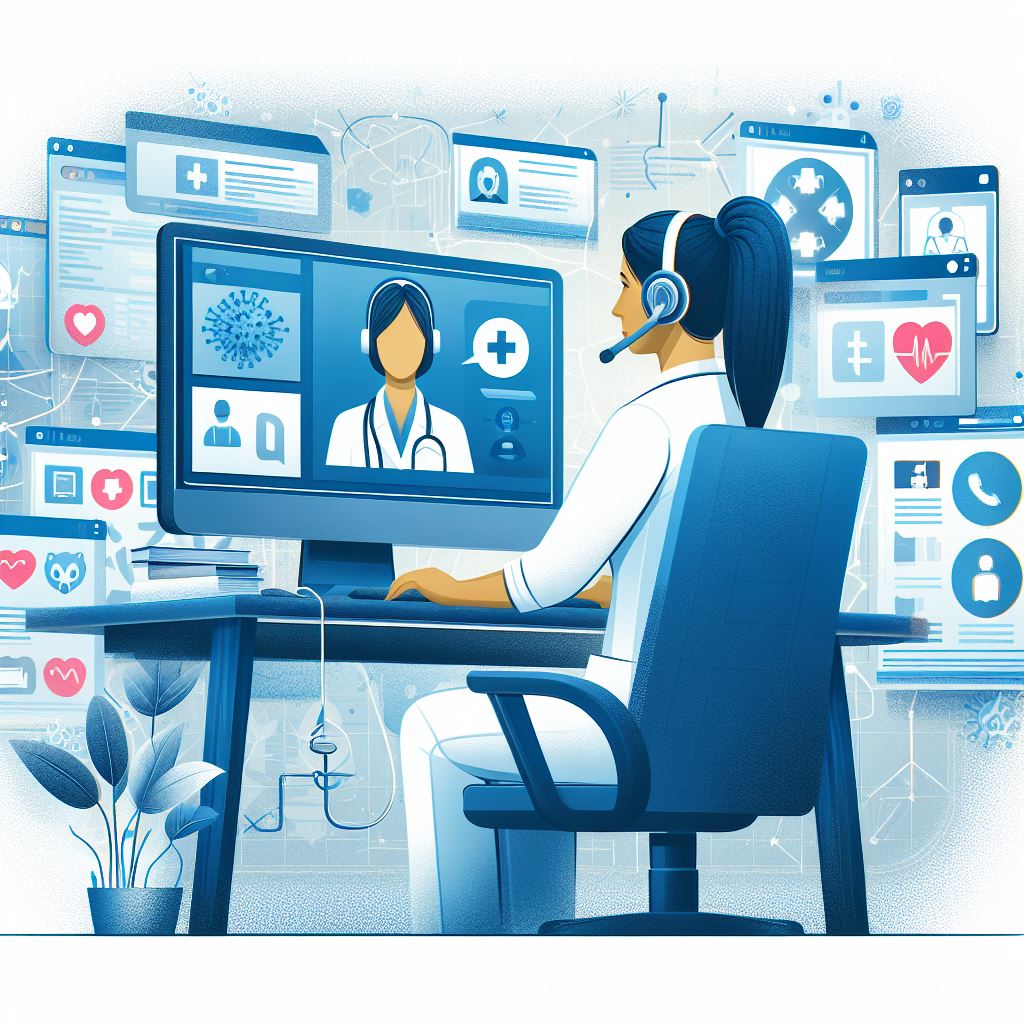
eLearning for Health
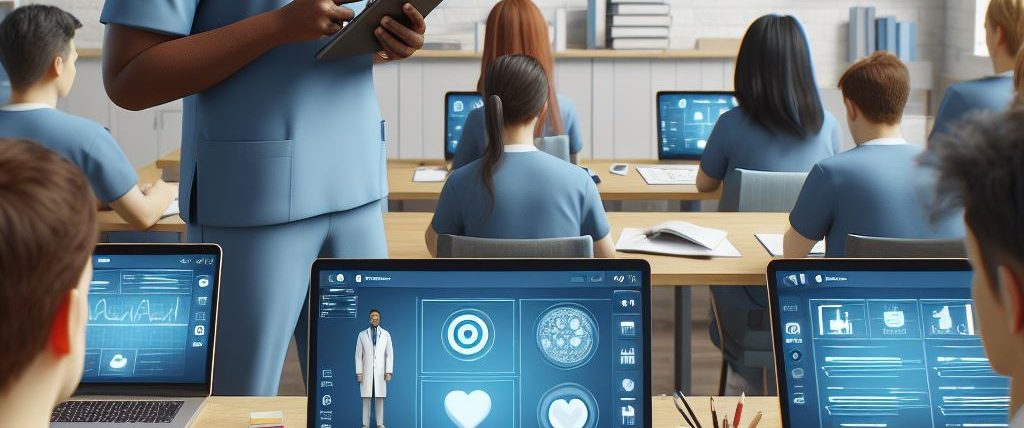
The Rise of eLearning in the Health Industry
In recent years, eLearning has gained tremendous popularity in various industries, and the healthcare sector is no exception. With the advancements in technology and the increasing need for flexible learning options, eLearning has emerged as a powerful tool in the field of healthcare. This section will explore the reasons behind the rise of eLearning in the health industry.
eLearning offers healthcare professionals and students the opportunity to access a vast array of educational resources at their fingertips. Gone are the days when one had to rely solely on textbooks and physical classrooms. With eLearning, individuals can now engage in online courses, webinars, interactive modules, and virtual simulations, all of which provide a dynamic and engaging learning experience.
The flexibility offered by eLearning is another significant factor driving its adoption in the health industry. Healthcare professionals often have demanding schedules, making it difficult to attend traditional classes. However, with eLearning, one can learn at their own pace and convenience. Whether it’s an early morning study session or a late-night review, eLearning allows individuals to enhance their skills and knowledge without compromising their busy schedules.
Additionally, eLearning facilitates continuous learning, a crucial aspect in the ever-evolving field of healthcare. With new research, technologies, and advancements emerging regularly, staying up-to-date is essential for healthcare professionals. eLearning platforms provide access to the latest information, enabling practitioners to expand their knowledge base and improve their patient care.
Benefits of eLearning for Health Professionals
eLearning offers numerous benefits for health professionals, making it an attractive option for career development and continuing education. This section will delve into the advantages that eLearning brings to the table for healthcare professionals.
Firstly, eLearning provides accessibility and convenience. With traditional learning methods, health professionals often had to travel to attend workshops or conferences. This not only incurred travel expenses but also limited their options due to geographical constraints. However, eLearning eliminates these barriers by allowing professionals to access courses and resources from anywhere in the world, at any time. This accessibility ensures that healthcare professionals can access high-quality education without being limited by their physical location.
Secondly, eLearning allows for personalized learning experiences. Every individual has a unique learning style and pace. With eLearning, health professionals can tailor their learning experience to suit their specific needs. Whether it’s revisiting a challenging topic or diving deeper into an area of interest, eLearning platforms offer the flexibility to customize the learning journey. This personalized approach enhances engagement and retention, ultimately leading to improved knowledge acquisition and application.
Another significant advantage of eLearning is the cost-effectiveness it offers. Traditional forms of education often come with hefty price tags, including tuition fees, accommodation costs, and travel expenses. On the other hand, eLearning courses are generally more affordable, and in many cases, even free. This affordability allows healthcare professionals to access high-quality education without straining their budgets, making it an attractive option for career development.
eLearning Platforms for Health Education
With the increasing popularity of eLearning, several platforms have emerged to cater specifically to health education. These platforms offer a wide range of courses and resources tailored to the needs of healthcare professionals. In this section, we will explore some of the leading eLearning platforms in the health industry.
One notable platform is Coursera, which partners with leading universities and institutions to offer online courses in various healthcare disciplines. Coursera provides a vast selection of courses, ranging from clinical research and public health to nursing and medical imaging. The platform offers both free and paid courses, allowing individuals to choose based on their requirements and budget.
Another prominent platform is Udemy, known for its extensive library of online courses across various industries. Udemy offers a diverse range of healthcare-related courses, including topics like medical coding, nutrition, and mental health. With thousands of courses to choose from, healthcare professionals can find the specific content they need to enhance their skills and knowledge.
LinkedIn Learning is also a valuable platform for health professionals seeking eLearning opportunities. With a focus on professional development, LinkedIn Learning offers courses that cover a wide range of healthcare topics, including healthcare management, patient care, and medical ethics. The platform also provides a personalized learning experience, recommending courses based on individual interests and career goals.
Top Online Courses for Health Professionals
When it comes to eLearning for health professionals, the choice of courses can be overwhelming. To help you navigate through the vast array of options, this section will highlight some of the top online courses available for healthcare professionals.
- “Introduction to Health and Wellness” – This course, offered by the University of California, San Francisco, provides a comprehensive overview of health and wellness, covering topics such as nutrition, exercise, stress management, and disease prevention.
- “Medical Neuroscience” – Offered by Duke University, this course explores the structure and function of the human nervous system. It delves into topics like neuroanatomy, neurophysiology, and neurological disorders, providing a solid foundation in neuroscience for healthcare professionals.
- “Infection Prevention and Control” – This course, offered by the University of Geneva, focuses on preventing and controlling infections in healthcare settings. It covers topics such as hand hygiene, sterilization, and the management of healthcare-associated infections.
- “Introduction to Clinical Data Science” – Offered by the University of Washington, this course introduces healthcare professionals to the field of data science and its applications in clinical practice. It covers topics like data analysis, predictive modeling, and machine learning, equipping professionals with valuable skills for evidence-based decision-making.
- “Medical Terminology” – This course, offered by the University of Minnesota, provides a comprehensive understanding of medical terminology, including the prefixes, suffixes, and root words commonly used in healthcare. It is an essential course for healthcare professionals looking to improve their communication skills and medical documentation.
These are just a few examples of the wide range of online courses available for healthcare professionals. When choosing a course, it is crucial to consider factors such as the course content, instructor expertise, and user reviews to ensure a high-quality learning experience.
How to Choose the Right eLearning Course for Your Needs
With the plethora of eLearning courses available, selecting the right one can be a daunting task. This section will provide some tips to help you choose the best eLearning course for your specific needs.
Firstly, consider your learning goals and objectives. Determine what knowledge and skills you want to acquire through the course. Are you looking to enhance your clinical skills, gain knowledge in a specific healthcare field, or develop leadership skills? Clearly defining your goals will help you narrow down the options and find a course that aligns with your objectives.
Next, research the course content and curriculum. Look for courses that cover the topics you are interested in and provide comprehensive and up-to-date information. Read the course descriptions, syllabus, and user reviews to gain insights into the quality and relevance of the content. It is also helpful to check if the course offers any additional resources, such as reading materials or interactive modules, to enhance the learning experience.
Consider the credibility and expertise of the course instructors. Look for courses taught by experienced professionals or reputable institutions. Research the instructors’ backgrounds, qualifications, and industry experience. Courses led by knowledgeable and experienced instructors are more likely to provide valuable insights and practical knowledge.
Evaluate the learning format and delivery method. Different courses employ various methods, such as video lectures, interactive quizzes, case studies, or live webinars. Consider your preferred learning style and choose a course that aligns with your preferences. Some individuals thrive in interactive environments, while others prefer self-paced learning. Select a course that suits your learning preferences to ensure maximum engagement and retention.
Finally, take advantage of free course previews or trial periods. Many eLearning platforms offer the opportunity to preview a portion of the course or access it for a limited period. Take advantage of these previews to get a feel for the course structure, content, and instructor style. This firsthand experience will help you make an informed decision before committing to a course.
By considering these factors and conducting thorough research, you can select the right eLearning course that meets your learning needs and helps you achieve your professional goals.
Tips for Successful eLearning in the Health Industry
While eLearning offers significant advantages, it also requires a certain level of discipline and commitment to ensure successful learning outcomes. This section will provide some tips to help healthcare professionals make the most of their eLearning experience.
- Establish a study routine: Treat eLearning as you would traditional education by dedicating specific times for studying. Create a study schedule and stick to it, ensuring regular and consistent learning.
- Create a conducive learning environment: Find a quiet and comfortable space where you can focus on your studies without distractions. Minimize noise, turn off notifications on your devices, and create a physical environment that promotes concentration.
- Set realistic goals: Break down your learning objectives into manageable goals. This will help you stay motivated and track your progress. Celebrate small victories along the way to maintain enthusiasm and drive.
- Engage with the course materials: Actively participate in the learning process by taking notes, highlighting key points, and engaging in discussions or forums if available. Interacting with the course materials will enhance comprehension and retention.
- Seek clarification and support: If you have any questions or need clarification on course content, don’t hesitate to reach out to the course instructor or fellow learners. Utilize the resources available to ensure a thorough understanding of the material.
- Practice self-assessment: Regularly assess your understanding of the course material through quizzes, self-tests, or practice exercises. This will help identify areas that need further review or reinforcement.
- Network with fellow learners: Join online communities or forums related to your course or healthcare field. Engaging with other learners can provide valuable insights, support, and networking opportunities.
- Take breaks and practice self-care: eLearning can be intense, so remember to take regular breaks to rest and recharge. Prioritize self-care activities such as exercise, healthy eating, and sufficient sleep to maintain overall well-being.
By implementing these tips, healthcare professionals can optimize their eLearning experience and achieve their learning goals effectively.
Case Studies: How eLearning Has Improved Patient Care
The adoption of eLearning in the health industry has yielded tangible benefits in terms of improving patient care. This section will explore a few case studies that demonstrate how eLearning has positively impacted patient outcomes.
- Telehealth training: The COVID-19 pandemic highlighted the importance of telehealth in delivering healthcare services remotely. eLearning played a crucial role in training healthcare professionals on telehealth practices, including virtual consultations and remote monitoring. As a result, healthcare providers were able to offer uninterrupted care to patients while minimizing the risk of infection.
- Medical simulation: eLearning platforms with virtual simulation capabilities have revolutionized medical training. Healthcare professionals can now practice complex procedures, such as surgical techniques or emergency response, in a safe and controlled virtual environment. This hands-on training has led to improved competency and confidence among healthcare professionals, ultimately benefiting patients.
- Continuing education: eLearning has made continuous learning more accessible for healthcare professionals. With the ability to access courses and resources at any time, practitioners can stay up-to-date with the latest research, guidelines, and advancements in their respective fields. This continuous learning directly translates into improved patient care, as healthcare professionals can apply evidence-based practices in their daily practice.
These case studies demonstrate the transformative impact of eLearning on patient care. By leveraging the benefits of eLearning, healthcare professionals can enhance their skills, stay informed, and ultimately provide better care to their patients.
eLearning Resources for Patient Education
While eLearning is primarily focused on healthcare professionals, it also plays a significant role in patient education. This section will explore some eLearning resources that empower patients to take an active role in their healthcare journey.
- Online health portals: Many healthcare providers now offer online portals that provide patients with access to their medical records, test results, and educational resources. These portals often include eLearning modules on various health topics, enabling patients to learn about their conditions, treatment options, and self-care strategies.
- Mobile applications: With the widespread use of smartphones, mobile applications have become popular tools for patient education. Apps offer interactive and engaging learning experiences, allowing patients to learn about their health conditions, track their symptoms, and receive personalized health recommendations.
- Web-based educational platforms: Numerous websites and platforms provide patient-specific eLearning resources. These platforms offer educational videos, articles, and interactive tools that empower patients to understand their health conditions, make informed decisions, and actively participate in their care.
By utilizing these eLearning resources, patients can become well-informed and engaged partners in their healthcare journey, leading to improved health outcomes and patient satisfaction.
Challenges and Solutions in eLearning for Health
While eLearning brings numerous benefits to the health industry, it is not without its challenges. This section will highlight some common challenges faced in eLearning for health and provide potential solutions.
- Technological barriers: Not all healthcare professionals or students may have access to reliable internet connections or the necessary devices for eLearning. To overcome this challenge, organizations can provide support in terms of providing devices or internet connectivity, or utilizing offline eLearning methods such as downloadable materials or offline applications.
- Lack of personal interaction: eLearning can sometimes lack the personal interaction and hands-on experience provided by traditional learning methods. To address this, eLearning platforms can incorporate interactive elements such as virtual simulations, case studies, or discussion forums to foster engagement and collaboration among learners.
- Quality control: With the abundance of eLearning resources available, ensuring the quality and accuracy of content can be a challenge. To address this, organizations can implement rigorous review processes, work with reputable content providers, and encourage user feedback to continuously improve the quality of eLearning materials.
- Motivation and self-discipline: eLearning requires self-motivation and discipline to stay on track with the coursework. To combat this challenge, healthcare professionals can set clear goals, establish study routines, and leverage support systems such as study groups or accountability partners.
By addressing these challenges head-on and implementing suitable solutions, the full potential of eLearning in the health industry can be realized.
Conclusion: The Future of eLearning in the Health Industry
eLearning has revolutionized the way healthcare professionals learn and grow in their careers. Its accessibility, flexibility, and continuous learning opportunities have made it an essential tool in the health industry. As technology continues to advance and the demand for lifelong learning increases, the future of eLearning in the health industry looks promising.
With the ongoing development of virtual reality (VR) and augmented reality (AR) technologies, eLearning experiences are expected to become even more immersive
Neurodiversity and eLearning

Image Source: Unsplash
Welcome to the exciting world of eLearning, where technology and education intersect to create dynamic and interactive learning experiences. In today’s digital age, eLearning offers endless opportunities for individuals to acquire knowledge and skills, regardless of their location or circumstances. But have you ever considered how eLearning can benefit individuals who are neurodiverse?
Understanding Neurodiversity
Neurodiversity refers to the natural variation in neurological conditions, such as autism, ADHD, dyslexia, and more. These individuals often have unique strengths and perspectives that can be harnessed through tailored eLearning approaches. The neurodiversity paradigm recognizes that these conditions are not disorders to be fixed, but rather differences to be embraced. By understanding and appreciating neurodiversity, eLearning platforms can create inclusive and accessible educational environments for all learners.
Neurodiversity in eLearning is not about providing a one-size-fits-all approach. It is about recognizing and accommodating the diverse learning needs and preferences of neurodivergent individuals. By doing so, eLearning can unlock the potential of these learners and empower them to thrive in their educational journey. Let’s explore why neurodiversity is so important in the context of eLearning.
The Importance of Neurodiversity in eLearning
Neurodiverse individuals bring a range of unique strengths to the table, such as enhanced pattern recognition, creativity, and problem-solving skills. However, traditional education systems often struggle to cater to their specific needs, resulting in exclusion and limited opportunities for these learners. This is where eLearning can make a significant difference.
In eLearning, the flexibility and customization options allow educators to design learning experiences that cater to the individual learning styles and preferences of neurodivergent learners. By embracing neurodiversity, eLearning platforms can create a level playing field where all learners, regardless of their neurological profile, can thrive and reach their full potential.
Common Neurodivergent Profiles
Neurodivergent individuals encompass a wide range of conditions, each with its unique traits and challenges. Let’s take a closer look at some of the most common neurodivergent profiles and how eLearning can support them:
- Autism Spectrum Disorder (ASD): Individuals with ASD often have difficulties with social interactions, communication, and sensory processing. eLearning can provide a structured and predictable learning environment that minimizes distractions and allows for individualized pacing and support.
- Attention Deficit Hyperactivity Disorder (ADHD): ADHD is characterized by difficulties with attention, impulsivity, and hyperactivity. eLearning platforms can offer interactive and engaging learning experiences that capture and maintain the attention of learners with ADHD, while also providing tools for organization and time management.
- Dyslexia: Dyslexia affects reading and language processing skills. eLearning can offer multi-modal content, such as videos and interactive activities, that cater to different learning preferences. Text-to-speech and speech recognition technologies can also support individuals with dyslexia in their reading and writing tasks.
Challenges Faced by Neurodivergent Learners
Neurodivergent learners often face unique challenges in traditional educational settings. These challenges include:
- Sensory Overload: Traditional classrooms can be overwhelming for individuals with sensory sensitivities. eLearning allows for the customization of sensory inputs, creating a more comfortable learning environment.
- Executive Functioning Difficulties: Neurodivergent individuals may struggle with organization, planning, and time management. eLearning platforms can incorporate tools and reminders to support learners in these areas.
- Social Isolation: Neurodivergent learners may experience difficulties with social interactions, leading to feelings of isolation and exclusion. eLearning can provide opportunities for collaboration and communication through online forums and group projects.
Strategies for Supporting Neurodivergent Learners in eLearning
To create an inclusive eLearning environment for neurodivergent learners, educators and eLearning platforms can implement the following strategies:
- Individualized Learning Plans: Tailoring learning experiences to the specific needs and preferences of each learner can significantly enhance their engagement and progress. Individualized learning plans may include personalized goals, accommodations, and support strategies.
- Universal Design for Learning (UDL): UDL is an approach that aims to address the diverse learning needs of all learners. By providing multiple means of representation, engagement, and expression, eLearning platforms can ensure that content is accessible and engaging for neurodivergent learners.
- Structured and Predictable Environments: Clear instructions, consistent routines, and visual supports can help neurodivergent learners navigate the eLearning environment with ease. Providing a structured and predictable learning environment can reduce anxiety and enhance their learning experience.
Creating Inclusive eLearning Environments
Inclusive eLearning environments go beyond accommodating the needs of neurodivergent learners; they aim to create an environment where all learners feel valued and supported. Here are some strategies for creating inclusive eLearning environments:
- Diverse and Representative Content: Including diverse perspectives and experiences in eLearning content can foster a sense of belonging and promote empathy and understanding among learners.
- Cultivating a Supportive Online Community: Online forums and discussion boards can provide a platform for neurodivergent learners to connect with peers and educators, ask questions, and seek support. Encouraging collaboration and respectful communication can foster a sense of community and belonging.
- Continuous Feedback and Assessment: Providing timely and constructive feedback allows learners to track their progress and make improvements. Offering multiple assessment options, such as written assignments, oral presentations, or visual projects, caters to different learning preferences and strengths.
Assistive Technologies for Neurodivergent Learners
Assistive technologies can play a significant role in supporting neurodivergent learners in their eLearning journey. These technologies aim to remove barriers and provide additional support in areas where learners may struggle. Some examples of assistive technologies for neurodivergent learners include:
- Text-to-Speech (TTS) Software: TTS software can read digital text aloud, supporting individuals with reading difficulties, such as dyslexia.
- Speech Recognition Software: Speech recognition software allows learners to dictate their responses, which can be particularly beneficial for individuals with difficulties in writing or typing.
- Mind-Mapping Tools: Mind-mapping tools help learners organize and visualize their thoughts, aiding those with executive functioning difficulties or difficulties with organization.
Case Studies of Successful Neurodiversity-Inclusive eLearning Programs
Real-life examples of neurodiversity-inclusive eLearning programs demonstrate the positive impact of tailored approaches. Let’s explore two case studies:
- “Autism Academy”: This eLearning platform provides tailored courses and resources specifically designed for individuals with autism. The courses incorporate visual supports, step-by-step instructions, and interactive activities that cater to the unique learning needs of individuals on the autism spectrum.
- “Dyslexia Online Tutoring”: This online tutoring program offers one-on-one tutoring sessions for individuals with dyslexia. The tutors use multi-sensory teaching methods, assistive technologies, and personalized strategies to support learners in improving their reading and writing skills.
Training and Resources for Educators on Neurodiversity in eLearning
Educators play a crucial role in creating inclusive eLearning environments for neurodivergent learners. Providing training and resources can equip educators with the knowledge and skills needed to support these learners effectively. Some resources and training programs include:
- Online Courses: Online courses on neurodiversity in education and eLearning provide educators with a deeper understanding of neurodivergent profiles and effective teaching strategies.
- Professional Development Workshops: Workshops and seminars conducted by experts in the field can equip educators with practical tools and techniques for supporting neurodivergent learners in eLearning.
- Online Communities and Forums: Joining online communities and forums dedicated to neurodiversity in education allows educators to connect with like-minded professionals, share experiences, and seek advice and support.
Conclusion: Embracing Neurodiversity in eLearning
In conclusion, neurodiversity is a valuable asset that should be celebrated and embraced in the realm of eLearning. By acknowledging and accommodating the unique needs and strengths of neurodivergent learners, eLearning platforms can create inclusive and accessible educational environments that empower all learners to succeed. Through individualized learning plans, adaptive technologies, and supportive online communities, eLearning can revolutionize education and ensure that no one is left behind in their quest for knowledge. Let us embrace neurodiversity in eLearning and unlock new possibilities for all learners.
Discover the power of neurodiversity in eLearning, and unlock new possibilities for all learners. Let’s dive in!
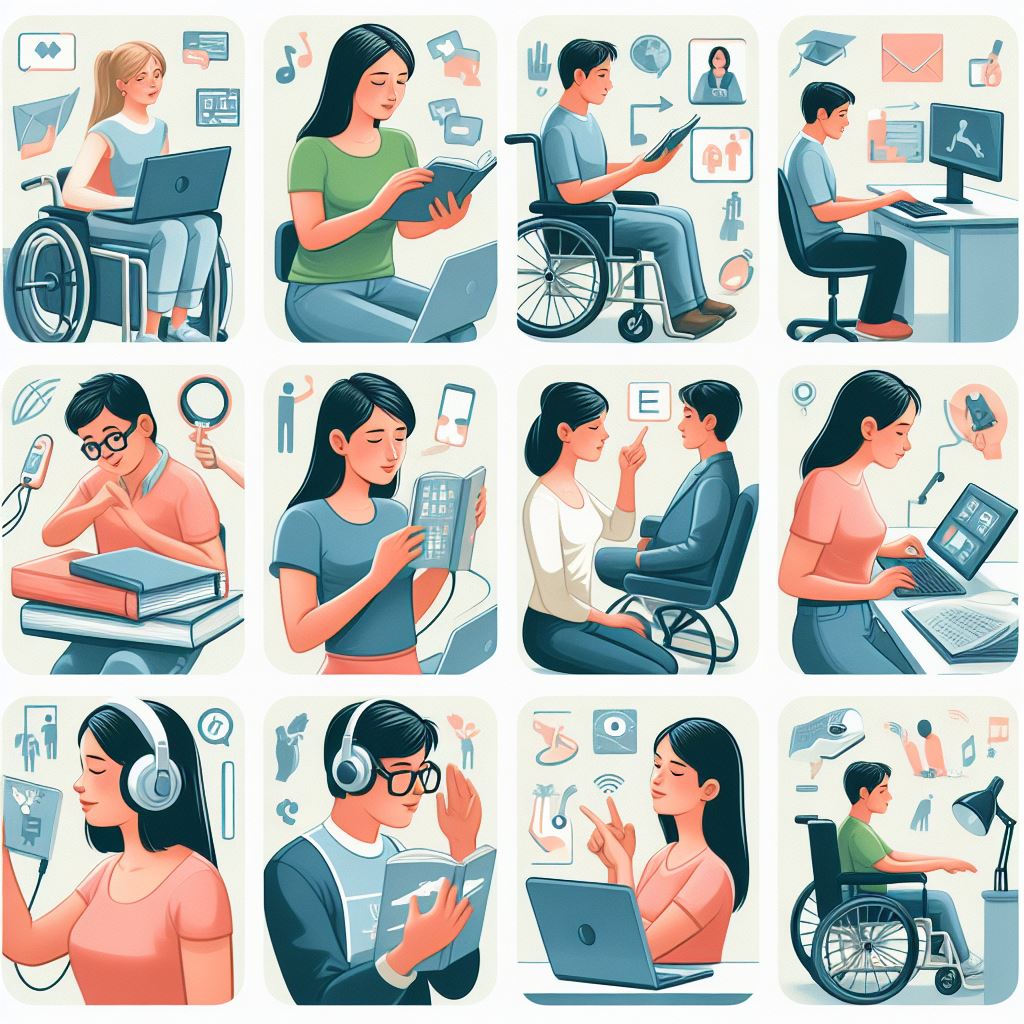
How eLearning can support disability
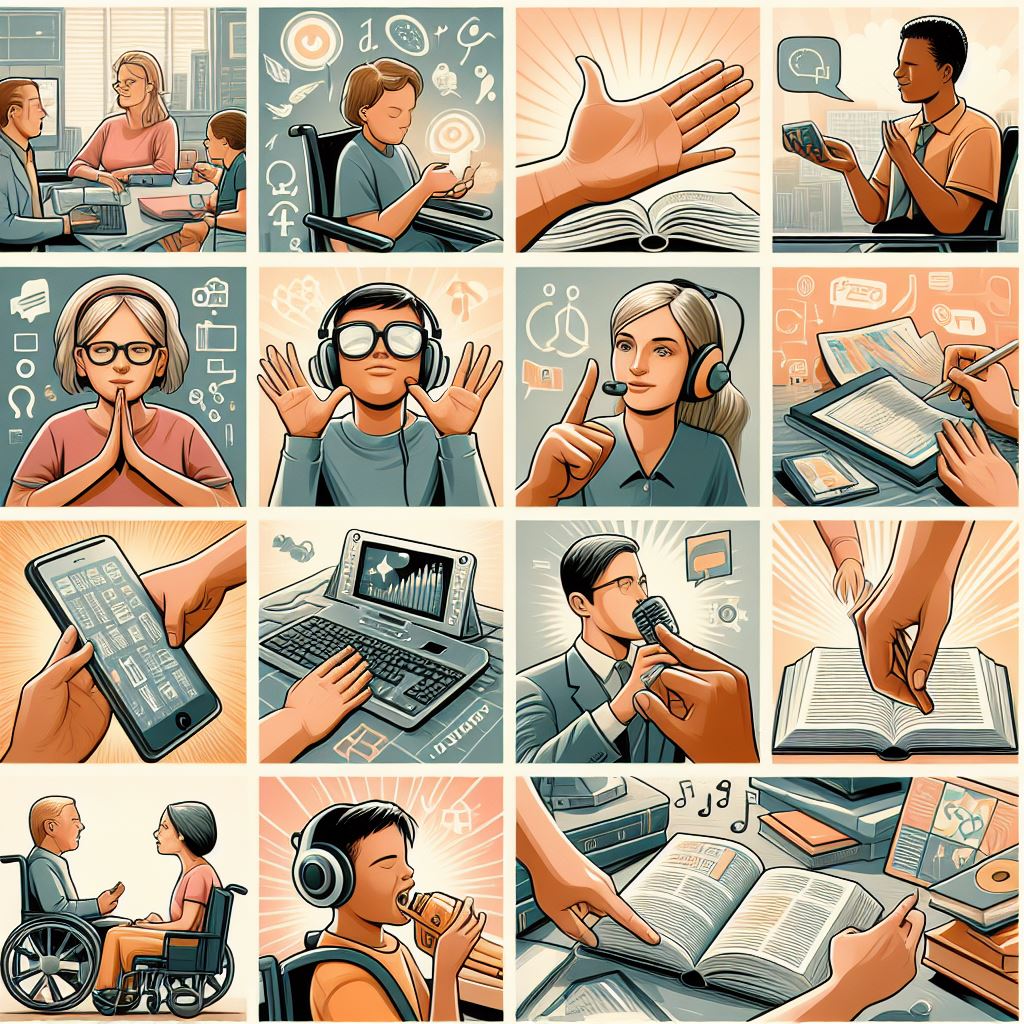
In today’s digitally-driven world, eLearning has become a game-changer in many aspects of education. One area where it is particularly beneficial is in supporting individuals with disabilities. As technology evolves, so do the opportunities for inclusive learning experiences. With the right tools and resources, eLearning can provide a platform that caters to the unique needs of students with disabilities, allowing them to thrive academically.
Understanding the challenges faced by individuals with disabilities in traditional education settings
Traditional education settings often present significant challenges for individuals with disabilities. Students with visual impairments may struggle to access printed materials, while those with hearing impairments may face difficulties in understanding lectures without proper accommodations. Additionally, individuals with mobility impairments may find it challenging to navigate physical spaces and participate fully in classroom activities. These barriers can hinder their educational progress and limit their opportunities for success.
However, eLearning offers a promising solution to these challenges. By leveraging technology, educational institutions can create a more inclusive learning environment that caters to the diverse needs of students with disabilities.
Benefits of eLearning for individuals with disabilities
eLearning provides numerous benefits for individuals with disabilities. Firstly, it offers the flexibility to learn at one’s own pace and in a comfortable environment. Students can access course materials and lectures at any time, allowing them to adapt their learning to their unique needs and abilities. This flexibility is especially beneficial for individuals with disabilities who may require additional time or support to process information.
Secondly, eLearning platforms can be tailored to meet the specific needs of different disabilities. For visually impaired students, screen readers and audio descriptions can be integrated into the learning platforms, enabling them to navigate through content effortlessly. Additionally, closed captions and transcripts can assist individuals with hearing impairments to fully comprehend the course materials. Moreover, adaptive technology can be utilized to cater to students with mobility impairments, ensuring they can engage with the learning materials seamlessly.
Accessibility features and tools in eLearning platforms
eLearning platforms today offer a range of accessibility features and tools to ensure that individuals with disabilities can fully participate in online learning. These features include:
- Screen readers: Text-to-speech technology that reads out the content on the screen, enabling visually impaired individuals to access written information.
- Audio descriptions: Narrations that describe visual elements in videos or images, allowing visually impaired learners to understand the context.
- Closed captions and transcripts: Text-based representations of spoken content, benefiting individuals with hearing impairments by providing a written record of the audio.
- Alternative text for images: Descriptive text added to images, enabling visually impaired learners to understand the visual content.
- Keyboard navigation: The ability to navigate through the eLearning platform using only a keyboard, ensuring accessibility for individuals with mobility impairments who may not be able to use a mouse.
These accessibility features, among others, make eLearning platforms more inclusive and empower individuals with disabilities to participate fully in the learning experience.
Examples of successful eLearning programs for individuals with disabilities
Numerous eLearning programs have successfully catered to individuals with disabilities and facilitated their educational journey. One such program is the National Center on Disability and Access to Education (NCDAE) in the United States. The NCDAE provides resources, training, and technical assistance to educational institutions, helping them create accessible eLearning environments and instructional materials. Through their efforts, they have enabled students with disabilities to access educational content and engage in online learning activities effectively.
Another example is the Open University in the United Kingdom, which has a long-standing commitment to accessibility and inclusive education. They have developed a comprehensive accessibility policy that ensures their eLearning platforms and materials are accessible to individuals with disabilities. From providing alternative formats for course materials to offering support services for disabled students, the Open University has set a benchmark for inclusive eLearning.
Tips for designing inclusive eLearning courses
Designing inclusive eLearning courses requires careful consideration of the diverse needs of students with disabilities. Here are some tips to create an inclusive learning experience:
- Provide multiple formats: Offer course materials in various formats, such as audio, video, and text, to cater to different learning preferences and accessibility needs.
- Use clear and concise language: Ensure that the content is written in plain language, making it easier for individuals with cognitive disabilities or language barriers to understand.
- Use color contrast: Choose color combinations that have sufficient contrast to accommodate individuals with visual impairments.
- Optimize navigation: Design the eLearning platform with a clear and intuitive navigation structure, allowing individuals with mobility impairments to navigate easily.
- Incorporate interactive elements: Engage students with interactive elements like quizzes and simulations, providing hands-on learning experiences that benefit all learners, including those with disabilities.
By implementing these tips, eLearning courses can become more inclusive and accessible, benefiting a wide range of learners.
Implementing assistive technologies in eLearning
Assistive technologies play a crucial role in making eLearning accessible for individuals with disabilities. These technologies are designed to enhance learning experiences and support individuals with disabilities in overcoming barriers. Some common assistive technologies used in eLearning include:
- Screen reader software: Software that reads out the content on a computer screen, enabling visually impaired individuals to access written information.
- Speech recognition software: Technology that converts spoken words into written text, benefiting individuals with mobility impairments who may have difficulty typing.
- Braille displays: Devices that convert digital text into Braille, allowing visually impaired individuals to read and navigate through electronic documents.
- Augmented and virtual reality: Immersive technologies that can simulate real-life environments and provide interactive learning experiences for individuals with disabilities.
By incorporating these assistive technologies into eLearning platforms, educational institutions and organizations can create a more inclusive and accessible learning environment for individuals with disabilities.
Case studies: Real-life success stories of individuals with disabilities benefiting from eLearning
Real-life success stories demonstrate the transformative impact of eLearning on individuals with disabilities. For example, Sarah, a visually impaired student, used eLearning platforms equipped with screen readers and audio descriptions to pursue her degree in computer science. With these accessibility features, she was able to access course materials, participate in online discussions, and complete assignments independently. eLearning empowered Sarah to overcome the barriers she faced in traditional education settings and achieve academic success.
Similarly, John, a student with a hearing impairment, thrived in an eLearning environment that provided closed captions and transcripts for videos and lectures. These accommodations enabled him to understand the content fully and actively engage in class discussions. Through eLearning, John was able to pursue his passion for history and graduate with honors.
These case studies highlight the immense potential of eLearning in supporting individuals with disabilities and providing them with equal educational opportunities.
Resources and organizations supporting eLearning for individuals with disabilities
Several resources and organizations are dedicated to supporting eLearning for individuals with disabilities. They provide valuable tools, training, and assistance to educational institutions, instructors, and students. Some notable resources and organizations include:
- The International Association of Accessibility Professionals (IAAP): An organization that offers certifications, resources, and networking opportunities for professionals involved in creating accessible eLearning environments.
- Web Accessibility Initiative (WAI): A project by the World Wide Web Consortium (W3C) that provides guidelines and resources for making web content and eLearning platforms accessible to individuals with disabilities.
- Assistive Technology Industry Association (ATIA): An organization that promotes the use of assistive technologies to enhance the independence and participation of individuals with disabilities in all aspects of life, including education.
- Accessible Digital Office Document (ADOD) Project: A project that provides tools and guidance for creating accessible digital documents, ensuring that individuals with disabilities can access educational materials without barriers.
These resources and organizations play a vital role in advancing accessibility in eLearning and promoting inclusive education for individuals with disabilities.
Conclusion: The future of eLearning and its impact on individuals with disabilities
The future of eLearning holds great promise for individuals with disabilities. As technology continues to evolve, so too will the opportunities for inclusive and accessible learning experiences. By embracing eLearning, educational institutions and organizations can foster a more inclusive environment, breaking down barriers and empowering individuals with disabilities to pursue their educational goals.
With the right support and resources in place, eLearning has the potential to revolutionize the way we approach education, making it accessible to all learners, regardless of their abilities. By designing inclusive eLearning courses, implementing assistive technologies, and leveraging the wealth of resources available, we can create a future where individuals with disabilities have equal access to education and thrive academically.
The journey towards inclusive eLearning is ongoing, but with the collective efforts of educators, designers, and organizations, we can build a more inclusive and accessible educational landscape for all learners. Let us embrace the power of eLearning to support disability and unlock the full potential of every individual.