
How can technology help with learning?
Welcome to the tech-driven revolution in the education landscape, where innovative tools are reshaping the way we learn. Technology has proven to be a powerful ally in education, providing new opportunities for both learners and educators. In this article, we will explore how technology can facilitate learning and make the educational experience more engaging and effective.
Advantages of using technology in learning
Technology has transformed the traditional classroom setting into an interactive and dynamic learning environment. By incorporating technology into the classroom, students can access a wide range of resources that enhance their understanding of complex concepts. One of the key advantages of using technology in learning is the ability to provide personalized learning experiences. With the help of adaptive learning algorithms, students can receive tailored content and feedback based on their individual needs and progress. This not only helps them stay motivated but also ensures that they grasp the concepts more effectively.
Additionally, technology allows for asynchronous learning, which means that students can access learning materials at their own convenience. This flexibility in scheduling and pacing enables students to learn at their own pace, reinforcing knowledge retention and promoting a deeper understanding of the subject matter. Moreover, technology facilitates collaboration among students, allowing them to work together on projects regardless of their physical location. This promotes teamwork, communication, and problem-solving skills, preparing students for the demands of the modern workforce.
Technology tools for interactive learning
In the digital age, interactive learning tools have become an integral part of the educational landscape. These tools provide students with an engaging and immersive learning experience, making learning more enjoyable and effective. One such tool is interactive software, which allows students to actively participate in the learning process. Through simulations and interactive exercises, students can apply theoretical knowledge to practical situations, enhancing their understanding and critical thinking skills.
Another technology tool that has gained popularity is virtual simulations. These simulations recreate real-world scenarios, enabling students to gain hands-on experience in a safe and controlled environment. For example, medical students can practice surgical procedures using virtual reality simulations, allowing them to develop their skills before working with real patients. This not only enhances their learning experience but also reduces the risk of errors in real-life situations.
Online learning platforms and resources
The rise of online learning platforms has revolutionized the way we access educational resources. These platforms provide students with a wealth of information and learning materials, ranging from textbooks and lectures to interactive quizzes and assessments. Online learning platforms offer the flexibility to learn anytime, anywhere, making education accessible to individuals who may not have access to traditional educational institutions.
Furthermore, online resources such as educational websites, podcasts, and videos provide students with additional avenues to explore and expand their knowledge. These resources offer a variety of learning styles, catering to different preferences and learning abilities. With the vast amount of information available online, students can delve deeper into subjects of interest and gain a broader understanding of the world around them.
Gamification and educational games
Gamification is a technique that incorporates game elements into non-game contexts, such as education. By introducing gamified elements into the learning process, educators can make learning more engaging and enjoyable. Gamification can be achieved through various means, such as leaderboards, badges, and rewards. These elements motivate students to actively participate and strive for improvement, fostering a sense of achievement and progress.
Educational games, on the other hand, are specifically designed to teach and reinforce certain concepts or skills. These games often combine entertainment with educational content, making learning a fun and interactive experience. For example, language learning apps use gamified exercises to help students improve their vocabulary and grammar skills. By incorporating game elements, educational games capture students’ attention and encourage active learning.
Virtual reality and augmented reality in education
Virtual reality (VR) and augmented reality (AR) technologies have the potential to transform the way we learn by creating immersive and interactive experiences. VR technology allows users to be fully immersed in a virtual environment, while AR overlays digital information onto the real world. These technologies can be applied to various educational fields, from science and history to art and engineering.
For instance, VR can transport students to historical events, enabling them to witness the past firsthand. They can explore ancient civilizations, walk through historical landmarks, and interact with virtual characters. AR, on the other hand, can provide real-time information and visual aids to enhance understanding. For example, AR can overlay 3D models of human anatomy onto textbooks, allowing students to examine the human body in detail. By incorporating VR and AR into education, students can gain a deeper understanding of complex concepts and develop critical thinking skills.
Benefits of personalized learning through technology
Personalized learning is an approach that tailors educational content and instruction to meet the specific needs and interests of individual students. Technology plays a crucial role in enabling personalized learning experiences. With the help of learning management systems and adaptive learning algorithms, educators can create customized learning paths for each student. These paths take into account the student’s strengths, weaknesses, and learning preferences, ensuring that they receive the most relevant and effective instructional materials.
Personalized learning not only improves student engagement but also leads to better learning outcomes. By addressing individual learning needs, students are more likely to stay motivated and actively participate in the learning process. This, in turn, leads to higher retention of knowledge and improved academic performance. Moreover, personalized learning fosters a sense of ownership and responsibility for one’s own learning, preparing students for a lifetime of self-directed learning.
Assistive technology for students with special needs
Technology has the power to level the playing field for students with special needs. Assistive technology tools and devices enable students with disabilities to access educational content and participate in the learning process. For example, screen readers and text-to-speech software help visually impaired students access written information. Speech recognition software allows students with physical disabilities to interact with computers and complete assignments.
Additionally, assistive technology can provide alternative means of communication for students with speech or language impairments. Augmentative and alternative communication (AAC) devices, such as speech-generating devices and communication boards, enable students to express themselves effectively. By removing barriers to learning, assistive technology empowers students with special needs to fully participate in the educational experience.
Challenges and considerations in integrating technology in education
While the benefits of technology in education are undeniable, there are also challenges and considerations that need to be addressed. One of the main challenges is the digital divide, which refers to the gap between those who have access to technology and those who do not. Ensuring equal access to technology and internet connectivity is crucial to prevent further disparities in educational opportunities.
Another consideration is the need for proper training and support for educators. Integrating technology into the curriculum requires educators to develop new skills and adapt their teaching methods. Ongoing professional development programs and support systems are necessary to help educators effectively integrate technology into their instructional practices.
Furthermore, privacy and security concerns arise when using technology in education. Safeguarding student data and ensuring the privacy of personal information is of utmost importance. Educational institutions must implement robust security measures and adhere to data protection regulations to protect student privacy.
Conclusion: The future of technology in learning
Technology has revolutionized the way we learn, providing new opportunities for both learners and educators. From personalized learning algorithms to virtual reality simulations, technology has the potential to transform education and unlock the full potential of students. By leveraging technology tools and resources, educators can create engaging and interactive learning experiences that cater to individual needs and interests. As we move forward, it is essential to address the challenges and considerations associated with integrating technology in education to ensure equitable access and maximize the benefits for all learners. The future of learning is undoubtedly tech-driven, and embracing these advancements will pave the way for a more engaging and effective educational experience.

Universal Design in Education: Creating Inclusive Learning Environments

Image Source: Unsplash
In the realm of education, equitable access for all students is essential. Universal design in education is an approach that strives to create inclusive learning environments to meet the diverse needs of students. But what does best practice look like when it comes to implementing universal design in education?
What is Universal Design in Education?
Universal design in education refers to the design of educational materials, strategies, and environments that are accessible and beneficial to all students, regardless of their abilities, learning styles, or backgrounds. It is based on the principles of universal design, which aims to eliminate barriers and provide equal opportunities for everyone.
At its core, universal design in education recognizes that students have different ways of learning, processing information, and expressing themselves. By adopting this approach, educators can ensure that all students have access to quality education and can actively participate in the learning process.
The Importance of Universal Design in Education
The importance of universal design in education cannot be overstated. It is a key component of creating an inclusive learning environment that fosters equal opportunities for all students. By implementing universal design principles, educators can address the unique needs and strengths of each student, ensuring that no one is left behind.
One of the fundamental aspects of universal design in education is providing multiple means of representation. This means presenting information in different formats, such as visual, auditory, or tactile, to accommodate diverse learning styles. By doing so, educators can cater to the individual preferences and strengths of their students, allowing them to engage with the material more effectively.
Another crucial aspect of universal design in education is offering multiple means of engagement. This involves providing various opportunities for students to interact with the content, such as through hands-on activities, group discussions, or multimedia presentations. By incorporating different modes of engagement, educators can enhance student motivation and interest, leading to improved learning outcomes.
Additionally, universal design in education emphasizes the importance of multiple means of expression. This involves allowing students to demonstrate their understanding and knowledge through various mediums, such as written assignments, oral presentations, or artistic creations. By providing diverse options for expression, educators can encourage students to showcase their strengths and talents in ways that best suit them.
Benefits of Implementing Universal Design in Education
The benefits of implementing universal design in education are far-reaching. By creating inclusive learning environments, educators can unlock the full potential of their students and promote their overall well-being. Here are some of the key benefits:
- Increased Engagement: When students feel included and their diverse needs are met, they are more likely to be engaged and actively participate in the learning process. Universal design in education promotes student motivation and curiosity, leading to improved academic performance.
- Improved Learning Outcomes: By providing multiple means of representation, engagement, and expression, educators can accommodate different learning styles and abilities. This personalized approach enhances student understanding, retention, and application of knowledge, resulting in improved learning outcomes.
- Enhanced Social Interaction: Inclusive learning environments foster collaboration, empathy, and respect among students. By incorporating universal design principles, educators can create opportunities for students to work together, learn from each other, and develop important social skills.
- Preparation for the Real World: In today’s diverse and interconnected world, it is crucial for students to develop the skills necessary to navigate and thrive in various contexts. Universal design in education equips students with the ability to adapt, problem-solve, and communicate effectively, preparing them for future success.
Universal Design Principles for Educational Settings
To effectively implement universal design in education, educators should consider the following principles:
- Equitable Use: Ensure that all students have equal opportunities to access and benefit from educational materials, strategies, and environments.
- Flexibility in Use: Provide options and choices that accommodate diverse learning styles, abilities, and preferences.
- Simple and Intuitive Use: Design materials and strategies that are easy to understand and navigate, minimizing the need for additional explanations or assistance.
- Perceptible Information: Present information in multiple formats, making it accessible to students with different sensory abilities.
- Tolerance for Error: Create a safe and supportive learning environment that allows for mistakes and encourages learning from them.
- Low Physical Effort: Minimize physical barriers and create comfortable and accessible learning environments for all students.
- Size and Space for Approach and Use: Ensure that learning spaces and materials can be easily approached and used by students of all abilities.
By adhering to these principles, educators can foster inclusivity, engagement, and academic success for all students.
Examples of Universal Design in Education
Implementing universal design in education can take many forms. Here are some examples of how educators can incorporate universal design principles into their teaching practices:
- Flexible Seating Arrangements: Provide seating options that cater to different student preferences and needs, such as standing desks, bean bags, or adjustable chairs. This allows students to choose what works best for them, promoting comfort and focus during learning activities.
- Digital Resources and Assistive Technologies: Utilize digital resources, such as e-books, online videos, or interactive software, to provide multiple means of representation. Additionally, consider using assistive technologies, such as text-to-speech software or speech recognition tools, to support students with disabilities.
- Collaborative Learning Experiences: Encourage collaborative learning by incorporating group projects, peer feedback, and cooperative activities. This creates opportunities for students to work together, learn from each other, and develop important social and communication skills.
- Multimedia Presentations: Instead of relying solely on traditional lecture formats, incorporate multimedia presentations that incorporate visuals, audio, and interactive elements. This appeals to different learning styles and enhances student engagement and understanding.
- Accessible Materials and Documents: Ensure that all materials, including textbooks, handouts, and online resources, are accessible to students with disabilities. Provide alternatives, such as audio descriptions, captioned videos, or large print versions, to accommodate diverse needs.
How to Incorporate Universal Design in Lesson Planning
To incorporate universal design in lesson planning, educators can follow these steps:
- Identify Diverse Learners: Recognize the unique needs, strengths, and preferences of your students. Consider their different learning styles, abilities, cultural backgrounds, and prior knowledge.
- Set Clear Learning Objectives: Clearly define what students should know, understand, and be able to do by the end of the lesson. This helps guide the selection and design of appropriate instructional strategies and materials.
- Provide Multiple Means of Representation: Present information in different formats, such as visuals, videos, demonstrations, or hands-on activities. This allows students to access and process the content in ways that best suit their learning styles.
- Offer Multiple Means of Engagement: Incorporate activities that require active participation and interaction, such as discussions, debates, simulations, or experiments. This promotes student engagement and motivation.
- Allow for Multiple Means of Expression: Provide various options for students to demonstrate their understanding and knowledge. This can include written assignments, oral presentations, artistic creations, or multimedia projects.
- Provide Timely and Constructive Feedback: Regularly assess student progress and provide feedback that highlights strengths, identifies areas for improvement, and offers suggestions for further learning.
By following these steps, educators can create lessons that accommodate diverse learners and promote engagement, understanding, and achievement.
Tools and Resources for Implementing Universal Design in Education
Implementing universal design in education can be facilitated by utilizing various tools and resources. Here are some examples:
- Accessible Technology: Explore the use of assistive technologies, such as screen readers, speech recognition software, or captioning tools, to support students with disabilities in accessing and engaging with educational materials.
- Online Learning Platforms: Utilize online learning platforms that offer accessibility features, such as closed captions, alternative text descriptions, or the ability to adjust font size and contrast.
- Collaboration Tools: Make use of collaboration tools, such as Google Docs or Padlet, to facilitate group work and enable students to contribute and collaborate in real-time.
- Training and Professional Development: Attend training sessions or workshops focused on universal design in education to enhance your understanding and implementation of inclusive practices.
- Educational Communities: Engage with online communities and professional networks that focus on universal design in education. These communities offer opportunities for collaboration, idea-sharing, and support.
By utilizing these tools and resources, educators can enhance their ability to create inclusive and accessible learning environments.
Evaluating the Effectiveness of Universal Design in Education
Evaluating the effectiveness of universal design in education is essential to ensure continuous improvement and positive student outcomes. Here are some strategies for evaluating the impact of universal design:
- Student Feedback: Seek feedback from students to understand their experiences and perceptions of the learning environment. This can be done through surveys, interviews, or focus groups.
- Learning Outcomes: Monitor student learning outcomes to assess the impact of universal design practices. Compare students’ achievements, engagement levels, and progress over time to identify areas of improvement.
- Observations and Reflections: Regularly observe and reflect on teaching practices to identify strengths and areas for growth. Consider how effectively universal design principles are being implemented and whether adjustments are needed.
- Collaborative Evaluation: Engage in collaborative evaluation processes with colleagues or instructional coaches. Share experiences, exchange feedback, and learn from each other’s practices.
By consistently evaluating the effectiveness of universal design in education, educators can make informed decisions and refine their approaches to better meet the needs of their students.
Conclusion: Creating an Inclusive and Accessible Learning Environment
In conclusion, universal design in education is a powerful approach that promotes inclusivity, engagement, and academic success for all students. By implementing universal design principles and strategies, educators can create learning environments that accommodate diverse learning styles, abilities, and preferences.
By providing multiple means of representation, engagement, and expression, educators can ensure that all students have equitable access to quality education. The benefits of implementing universal design in education are vast, ranging from increased engagement and improved learning outcomes to enhanced social interaction and preparation for the real world.
By incorporating universal design into lesson planning, utilizing appropriate tools and resources, and evaluating its effectiveness, educators can unlock the doors to a more inclusive and equitable learning environment for all students. Let us strive to embrace universal design in education and empower every student to reach their full potential.
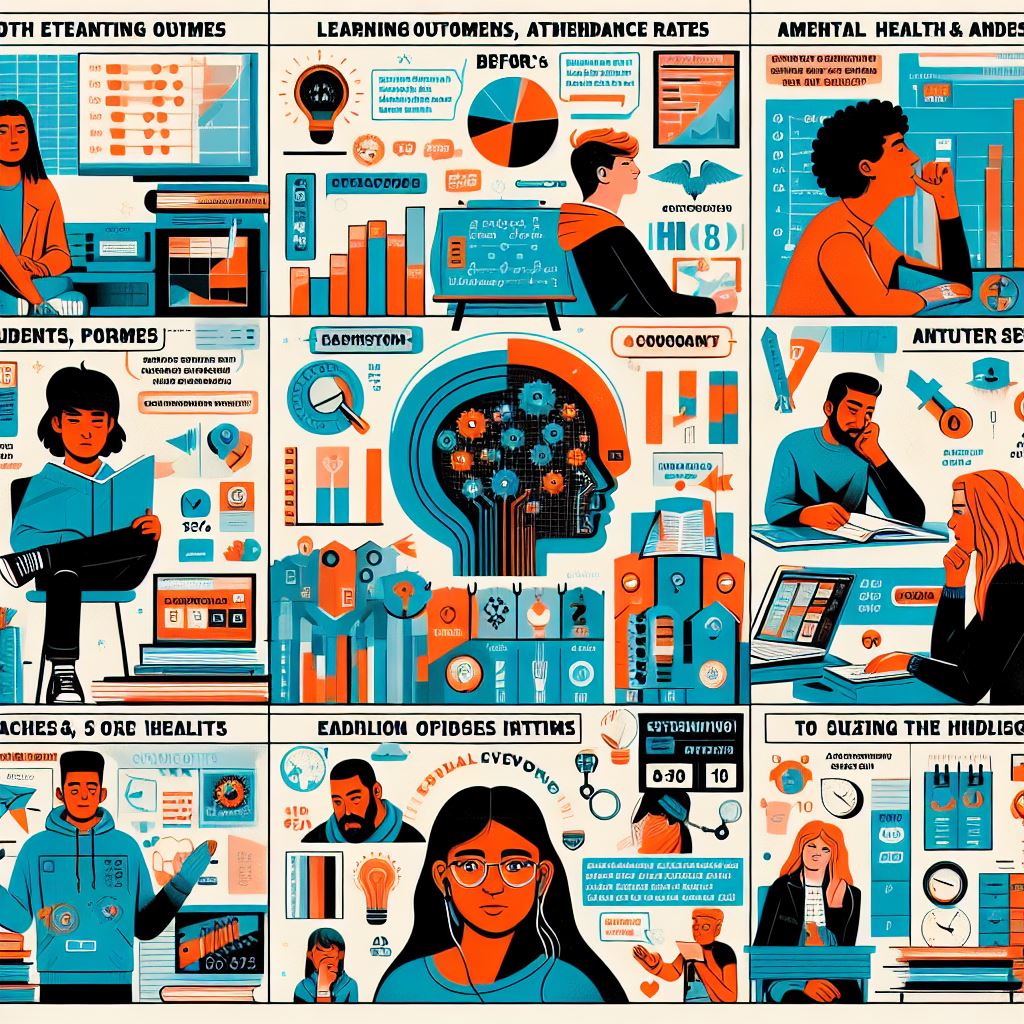
The Real Impact on Education During the Pandemic
The COVID-19 pandemic has undoubtedly brought about unprecedented challenges in various spheres of life, and education is no exception. As schools and educational institutions grapple with the need to ensure the safety and well-being of students and staff, the real impact on education during this global crisis becomes apparent.
Shift to Remote Learning and Its Challenges
The sudden shift to remote learning has been one of the most significant challenges faced by educational institutions worldwide. Schools and colleges were forced to quickly adapt their teaching methods to an online format, leaving both teachers and students scrambling to navigate this new territory.
One of the primary challenges has been the digital divide that has become more glaring than ever before. Students from low-income families or remote areas often lack access to reliable internet connections and necessary devices such as laptops or tablets. This disparity in access to technology has further exacerbated existing inequalities in education.
Moreover, the transition to remote learning has posed challenges for students who thrive in face-to-face interactions and struggle with self-motivation. The absence of a physical classroom environment has made it difficult for some students to stay engaged and focused on their studies. Teachers have had to find innovative ways to keep students motivated and ensure effective learning.
Technology’s Role in Education During the Pandemic
Technology has played a crucial role in facilitating education during the pandemic. Online learning platforms, video conferencing tools, and educational apps have become essential tools for both teachers and students. These technological advancements have allowed for the continuation of learning despite the physical barriers imposed by the pandemic.
Virtual classrooms have become the new norm, enabling teachers to deliver lectures, facilitate discussions, and provide real-time feedback to students. These virtual classrooms have also opened up opportunities for collaboration and interaction between students from different parts of the world, promoting cultural exchange and diversity in learning.
Furthermore, technology has made resources more accessible to students. Online libraries, digital textbooks, and educational websites have provided students with a wealth of information at their fingertips. This accessibility has democratized education to some extent, allowing students to learn at their own pace and explore diverse subjects beyond what traditional classrooms can offer.
Effect on Students’ Mental Health and Well-being
The pandemic has taken a considerable toll on students’ mental health and well-being. The abrupt disruption of their daily routines, social isolation, and the constant uncertainty surrounding the situation have contributed to increased levels of stress, anxiety, and depression among students of all ages.
The absence of face-to-face interactions with peers and teachers has deprived students of the emotional support and sense of community that physical classrooms provide. Many students have reported feelings of loneliness and a lack of motivation, making it challenging to stay focused on their studies.
Educational institutions have recognized the importance of addressing students’ mental health needs during this challenging time. Schools and colleges have implemented various initiatives to provide emotional support and counseling services to students remotely. This includes virtual counseling sessions, mental health awareness campaigns, and online support groups to ensure that students have the necessary resources to cope with the psychological impact of the pandemic.
Disparities in Access to Education During the Pandemic
The pandemic has brought to the forefront the glaring disparities in access to education. As mentioned earlier, students from low-income families or remote areas often lack the necessary resources to participate fully in remote learning. The digital divide has widened the gap between privileged and underprivileged students, further exacerbating existing inequalities in education.
In addition to the lack of access to technology, students from disadvantaged backgrounds may also face challenges related to housing instability, food insecurity, and limited parental support. These factors can significantly hinder their ability to engage in remote learning effectively.
Educational institutions and governments have recognized the need to address these disparities and ensure that all students have equal access to education. Efforts have been made to provide devices and internet connectivity to students in need, as well as to establish community learning centers in underserved areas. However, bridging the gap completely remains a complex and ongoing challenge.
Innovative Approaches to Remote Learning
Despite the challenges faced, educators have demonstrated remarkable resilience and creativity in adapting to remote teaching. They have embraced innovative approaches to ensure uninterrupted learning for their students.
One such approach is the use of gamification in online education. Gamified learning platforms and applications have gained popularity, as they provide an interactive and engaging learning experience. Through the use of game elements such as rewards, challenges, and leaderboards, educators can motivate students and make learning more enjoyable.
Another innovative approach is the integration of virtual reality (VR) and augmented reality (AR) in education. VR and AR technologies offer immersive experiences that can enhance students’ understanding of complex concepts. Students can explore virtual environments, interact with 3D models, and engage in simulations, making learning more interactive and hands-on.
Impact on Teachers and Their Role in Adapting to Remote Teaching
Teachers have faced numerous challenges in adapting to remote teaching. The sudden transition to online platforms required them to acquire new technological skills and adapt their teaching methods accordingly. Many teachers have had to invest significant time and effort into learning how to effectively use online learning platforms and ensure that their lessons are engaging and interactive in a virtual setting.
Additionally, teachers have had to find alternative ways to assess students’ progress and provide feedback. Traditional methods such as in-person exams and assignments have been replaced with online assessments, which require careful planning and implementation to ensure fairness and accuracy.
Furthermore, teachers have had to address the individual needs of their students in a remote setting. Differentiated instruction, which tailors teaching methods to suit the unique learning styles and abilities of each student, has become even more crucial. Teachers have had to find creative ways to provide personalized support and ensure that every student has an equal opportunity to succeed.
Long-term Effects on the Education System
The pandemic has undoubtedly caused significant disruptions to the education system, and its long-term effects are yet to be fully realized. The shift to remote learning has forced educational institutions to reevaluate traditional teaching methods and embrace technology as an integral part of education.
The increased reliance on online learning has sparked discussions about the future of education beyond the pandemic. Some believe that remote learning will become a permanent feature of the education system, offering flexibility and personalized learning opportunities. Others argue that physical classrooms and face-to-face interactions are irreplaceable, and the focus should be on incorporating technology as a supplementary tool rather than a substitute.
Additionally, the pandemic has highlighted the importance of resilience and adaptability in the face of unforeseen challenges. The education system may undergo structural changes to better prepare students and teachers for future disruptions, ensuring that learning can continue seamlessly under any circumstances.
Government Initiatives and Support for Education During the Pandemic
Governments around the world have recognized the critical role of education during the pandemic and have implemented various initiatives to support educational institutions, teachers, and students.
Financial assistance has been provided to schools and colleges to invest in technology infrastructure and ensure equal access to remote learning for all students. Governments have also allocated funds for training programs to equip teachers with the necessary skills to navigate online teaching effectively.
Furthermore, governments have collaborated with private organizations to develop educational content and resources that can be accessed remotely. These initiatives aim to bridge the learning gap and provide students with quality education despite the challenges posed by the pandemic.
Conclusion: Lessons Learned and the Future of Education Post-Pandemic
The COVID-19 pandemic has undoubtedly had a profound impact on education, forcing educational institutions, teachers, students, and governments to adapt rapidly to a new learning landscape. While the challenges have been immense, the pandemic has also provided an opportunity for innovation and growth within the education system.
The shift to remote learning has highlighted the importance of technology in education, offering new possibilities for personalized and flexible learning. It has also shed light on the existing disparities in access to education and the need for concerted efforts to bridge the digital divide.
As we navigate through these uncertain times, it is essential to learn from the lessons of the pandemic and use them to shape the future of education. By addressing the challenges faced and embracing the opportunities presented, we can build a more resilient and inclusive education system that prepares students for the complexities of the modern world.
The real impact of the pandemic on education goes beyond the immediate disruptions. It calls for a reimagining of education and a collective effort to ensure that every student has an equal opportunity to thrive, regardless of the circumstances. Only by working together can we overcome the challenges and build a brighter future for education post-pandemic.
Disclaimer: This article is for informational purposes only and does not constitute medical or educational advice. Please consult with a qualified professional for personalized guidance.

Leveling up the Classroom: How Gaming is Revolutionising Education

Image Source: Unsplash
In today’s ever-evolving world, education is no longer bound by the four walls of a traditional classroom. With the advent of technology, new and immersive teaching methods have emerged, and one of the most promising among them is gaming. Yes, you read that right – gaming is now revolutionising education.
By incorporating game-based learning into the curriculum, educators are finding innovative ways to engage students and enhance their learning experience. Through interactive and challenging gameplay, students are motivated to actively participate, problem-solve, and think critically. This can lead to improved retention and better understanding of complex concepts.
Moreover, gaming provides a safe space for students to make mistakes, learn from them, and grow. It nurtures creativity, collaboration, and resilience, skills essential for success in the 21st century. Whether it’s through educational video games, virtual reality simulations, or gamified lesson plans, teachers are harnessing the power of gaming to level up the classroom.
Join us as we explore the fascinating world of gaming in education and uncover the incredible impact it has on students’ learning journey. Get ready to witness the transformation of traditional education into an engaging and immersive experience like never before.
Benefits of gaming in education
Gaming in education offers a multitude of benefits that go beyond traditional teaching methods. Firstly, it enhances student engagement. Traditional lecture-style teaching often leads to disinterest and passive learning. However, when students are immersed in a game-based learning environment, they become active participants in their education. This increased engagement can result in higher motivation, better attention span, and improved knowledge retention.
Secondly, gaming promotes critical thinking and problem-solving skills. Many educational games are designed to present students with complex problems that require analytical thinking and creative solutions. By engaging in gameplay, students learn to think critically, analyze information, and make informed decisions. These skills are transferable to real-life situations, preparing students for the challenges they may face beyond the classroom.
Additionally, gaming fosters collaboration and teamwork. Many educational games incorporate multiplayer modes or cooperative gameplay, encouraging students to work together towards a common goal. Through collaboration, students develop communication skills, learn to listen to others’ perspectives, and practice effective teamwork. These skills are essential in today’s interconnected world, where collaboration is often required to solve complex problems.
Incorporating gaming in education also caters to different learning styles. Traditional teaching methods may not always resonate with every student, as individuals have unique learning preferences. Gaming provides a dynamic and interactive learning environment that appeals to visual, auditory, and kinesthetic learners. By offering a variety of game-based learning experiences, educators can cater to the diverse needs of their students and create a more inclusive classroom.
Overall, the benefits of gaming in education are vast. From increased engagement and critical thinking to fostering collaboration and catering to diverse learning styles, gaming has the potential to transform education and create a more effective and enjoyable learning experience for students.
Gamification in the classroom
Gamification, the process of incorporating game elements into non-game contexts, is an effective strategy to enhance learning in the classroom. By adding elements such as points, levels, badges, and leaderboards to educational activities, teachers can create a more engaging and motivating learning environment.
One of the key advantages of gamification is its ability to tap into students’ intrinsic motivation. When students are rewarded for their efforts and achievements, they feel a sense of accomplishment and pride, which encourages them to continue learning and progressing. This intrinsic motivation is crucial for long-term engagement and learning retention.
Gamification also promotes a sense of healthy competition among students. Leaderboards and rankings can create a friendly competitive atmosphere, where students strive to improve their performance and outperform their peers. This healthy competition not only motivates students to put in extra effort but also fosters a growth mindset, where students see failures as opportunities for improvement rather than setbacks.
Furthermore, gamification allows for personalized learning experiences. Teachers can tailor the game elements to individual students’ needs, providing challenges and rewards that are appropriate for their skill level. This individualization ensures that students are continuously engaged and challenged, as they progress at their own pace.
Incorporating gamification in the classroom can also help build a positive classroom culture. By celebrating achievements and encouraging collaboration, students feel supported and valued. This positive atmosphere promotes a sense of belonging and encourages students to take risks and explore new concepts without fear of failure.
Overall, gamification offers a powerful tool for educators to make learning more enjoyable, engaging, and effective. By leveraging game elements, teachers can create a dynamic and motivating classroom environment that enhances students’ learning experiences.
Incorporating educational games into the curriculum
The integration of educational games into the curriculum is a strategic approach to leverage the benefits of gaming in education. By aligning educational games with specific learning objectives, teachers can create a seamless integration of gameplay and academic content.
When selecting educational games, it is important to consider the relevance and alignment with the curriculum. Games that directly address the subject matter being taught can enhance students’ understanding and retention of key concepts. For example, a history teacher may choose a game that allows students to explore historical events and make decisions that impact the outcome. This interactive experience can deepen students’ understanding of history while making the learning process more enjoyable.
Additionally, it is crucial to consider the level of challenge and complexity of the game. Games that are too easy may not stimulate critical thinking, while games that are too difficult may frustrate students and hinder their learning progress. Striking the right balance is essential to ensure that students are appropriately challenged and engaged.
Furthermore, teachers should provide guidance and support during gameplay. While games offer an immersive learning experience, they should not replace the role of the teacher. Teachers can facilitate discussions, ask thought-provoking questions, and provide feedback to help students make connections between the gameplay and academic content.
To ensure the effective integration of educational games into the curriculum, it is important to provide clear instructions and objectives. Students should understand how the game relates to the learning goals and how their progress will be assessed. This clarity allows students to actively engage with the game and make meaningful connections to the academic content.
By incorporating educational games into the curriculum, teachers can create a dynamic and interactive learning environment that enhances students’ understanding and retention of key concepts. This integration allows for a seamless blend of gameplay and academic content, making learning more enjoyable and engaging for students.
Case studies of successful gaming in education initiatives
Gaming in education has gained significant traction in recent years, with numerous successful initiatives showcasing its potential to transform the learning experience. Let’s explore a few case studies that highlight the positive impact of gaming in education.
Case Study 1: Minecraft: Education Edition
Minecraft: Education Edition is a popular sandbox game that has been adapted for educational purposes. It offers a virtual world where students can explore, build, and collaborate on various projects. In a study conducted by the University of Hull, it was found that Minecraft: Education Edition increased student engagement and motivation, improved problem-solving skills, and enhanced creativity. Students were able to apply their knowledge in a practical and interactive way, leading to deeper understanding and retention of concepts.
Case Study 2: Kahoot!
Kahoot! is an interactive quiz platform that turns learning into a game. Teachers can create quizzes on any subject and students can participate using their own devices. A study conducted by the University of Oslo found that Kahoot! increased student engagement, improved knowledge retention, and promoted a positive learning atmosphere. The competitive nature of the game and the real-time feedback provided during quizzes motivated students to actively participate in their learning.
Case Study 3: Foldit
Foldit is an online game that challenges players to solve complex protein-folding puzzles. In a study conducted by the University of Washington, it was found that Foldit players were able to solve scientific problems that had stumped researchers for years. The game’s collaborative nature and engaging gameplay motivated players to contribute their problem-solving skills and creativity, leading to significant scientific breakthroughs.
These case studies demonstrate how gaming in education can have a profound impact on student engagement, motivation, problem-solving skills, and knowledge retention. By leveraging the power of games, educators can create immersive and interactive learning experiences that go beyond traditional teaching methods.
Challenges and considerations of using gaming in education
While gaming in education offers numerous benefits, there are also challenges and considerations that educators must address when implementing game-based learning strategies.
One of the main challenges is ensuring that educational games align with curriculum standards and learning objectives. It is essential to select games that cover the necessary content and provide a meaningful learning experience. Teachers must carefully evaluate the educational value of games and ensure that they meet the specific needs of their students.
Another challenge is the availability and accessibility of technology. Not all schools have the necessary resources to support game-based learning initiatives. Lack of access to devices, stable internet connections, or suitable software can hinder the implementation of gaming in education. It is important for educators to consider these limitations and explore alternative solutions or seek support from relevant stakeholders.
Furthermore, it is crucial to monitor and assess the impact of gaming in education. While anecdotal evidence and case studies showcase the potential benefits, it is important to gather empirical data to understand the effectiveness of game-based learning strategies. Conducting research and collecting data on student outcomes can help educators make informed decisions and continuously improve their game-based learning initiatives.
Another consideration is the balance between screen time and physical activity. While educational games can be highly engaging, it is important to ensure that students have a balanced learning experience that includes physical movement and social interactions. Incorporating physical activities or discussions alongside game-based learning can help create a holistic and well-rounded educational experience for students.
Lastly, educators must also address concerns about excessive gaming and potential addiction. While game-based learning can be highly motivating and engaging, it is important to set boundaries and establish clear guidelines for gameplay. Educators should emphasize the educational purpose of gaming and help students develop responsible gaming habits.
By addressing these challenges and considerations, educators can effectively navigate the implementation of game-based learning strategies and ensure a successful integration of gaming in education.
Resources and tools for implementing gaming in education
Implementing gaming in education requires access to appropriate resources and tools. Fortunately, there are a variety of resources available to support educators in incorporating game-based learning into their classrooms.
Educational Game Platforms
Numerous educational game platforms provide access to a wide range of games aligned with curriculum standards. Platforms such as Minecraft: Education Edition, Kahoot!, and Prodigy offer educational games that cover various subjects and grade levels. These platforms often provide additional resources, lesson plans, and assessment tools to support educators in integrating games into their teaching.
Online Communities and Forums
Online communities and forums dedicated to educational gaming can serve as valuable resources for educators. Websites such as Edutopia, TeachThought, and EdSurge provide articles, guides, and discussions on game-based learning strategies. Educators can connect with like-minded individuals, share experiences, and gather insights from experts in the field.
Professional Development Programs
Many organizations offer professional development programs and workshops specifically tailored to game-based learning in education. These programs provide educators with the necessary knowledge and skills to effectively integrate games into their teaching. Examples include the Institute of Play’s TeacherQuest program and the Game-Based Learning Certificate offered by the eLearning Guild.
Open Educational Resources (OER)
Open Educational Resources (OER) are freely accessible teaching and learning materials that can be used to support game-based learning initiatives. Websites such as OER Commons, OpenStax, and Khan Academy offer a wide range of resources, including educational games, lesson plans, and multimedia content. These resources can be customized to meet the specific needs of educators and students.
Game Design Tools
For educators interested in creating their own educational games, there are various game design tools available. Platforms such as Scratch, GameSalad, and Unity provide user-friendly interfaces and tutorials to help educators design and develop their own games. These tools allow educators to create games that are tailored to their specific teaching objectives and student needs.
These resources and tools provide educators with the necessary support to effectively implement game-based learning strategies in their classrooms. By leveraging these resources, educators can enhance student engagement, promote critical thinking, and create a more immersive and interactive learning experience.
Training and professional development for educators
To effectively integrate gaming in education, educators must receive adequate training and professional development opportunities. These initiatives provide educators with the necessary knowledge and skills to leverage game-based learning strategies in their classrooms.
Workshops and Conferences
Attending workshops and conferences dedicated to game-based learning in education can provide educators with valuable insights and practical strategies. These events often feature expert speakers, hands-on activities, and networking opportunities. Examples include the Games in Education Symposium, the Serious Play Conference, and the International Conference on Game-Based Learning.
Online Courses and Webinars
Online courses and webinars offer flexible and accessible professional development options for educators. Platforms such as Coursera, EdX, and FutureLearn offer courses specifically focused on game-based learning in education. These courses cover topics such as game design, assessment strategies, and pedagogical approaches. Webinars hosted by organizations like EdWeb and the Games and Learning Society provide opportunities to engage with experts and stay updated on the latest trends and research in game-based learning.
Professional Learning Communities
Joining professional learning communities dedicated to game-based learning can provide educators with ongoing support and collaboration opportunities. These communities can be online forums, social media groups, or local networking groups. Engaging in discussions, sharing experiences, and learning from other educators can help educators continuously improve their game-based learning initiatives.
Collaborative Projects and Partnerships
Collaborating with other educators, schools, or organizations can facilitate the sharing of best practices and resources. By working together on game-based learning projects, educators can gain new perspectives, access a wider range of resources, and engage in collaborative problem-solving. Partnerships with organizations such as museums, libraries, or game developers can also provide unique opportunities for educators to enhance their game-based learning initiatives.
Through training and professional development initiatives, educators can gain the necessary knowledge and skills to effectively integrate gaming in education. By continuously learning and adapting their teaching practices, educators can ensure that game-based learning strategies are implemented successfully and have a positive impact on student learning outcomes.
Future trends in gaming and education
As technology continues to advance, the future of gaming in education holds exciting possibilities. Here are some emerging trends that are shaping the future of gaming and education:
Virtual Reality (VR)
Virtual Reality (VR) is an immersive technology that provides a fully interactive and three-dimensional experience. VR in education offers opportunities for students to explore virtual worlds, engage in realistic simulations, and interact with content in a more immersive and hands-on way. From virtual field trips to historical reenactments, VR has the potential to revolutionize the way students learn and experience the world.
Augmented Reality (AR)
Augmented Reality (AR) overlays digital content onto the real world, enhancing the learning experience by adding interactive elements. AR in education allows students to interact with virtual objects, characters, and information in their real environment. From anatomy lessons to interactive storytelling, AR can bring abstract concepts to life and provide students with a more engaging and contextualized learning experience.
Artificial Intelligence (AI)
Artificial Intelligence (AI) has the potential to personalize the learning experience by adapting games and content to individual student needs. AI algorithms can analyze student performance, provide personalized feedback, and adapt the difficulty level of games in real-time. This personalized approach ensures that students are appropriately challenged and supported, leading to more effective and efficient learning.
Game-Based Assessment
Traditionally, assessments in education have focused on written exams and standardized tests. However, game-based assessment is emerging as an alternative approach to evaluate student learning. By embedding assessment within gameplay, educators can gather real-time data on student performance, problem-solving skills, and critical thinking abilities. Game-based assessment provides a more holistic and authentic evaluation of student learning, going beyond rote memorization and measuring higher-order thinking skills.
Mobile Gaming
The widespread use of mobile devices opens up new possibilities for game-based learning. Mobile gaming allows students to access educational games anytime and anywhere, providing flexibility and convenience. Mobile devices also enable seamless integration of game-based learning with other learning activities, such as multimedia content, online collaboration, and research. With the increasing adoption of mobile devices in education, mobile gaming is expected to play a significant role in the future of game-based learning.
As these trends continue to evolve, gaming in education will become even more immersive, personalized, and integrated into the learning experience. By embracing these trends and staying informed about the latest developments in game-based learning, educators can ensure that their teaching practices remain relevant and effective in the ever-changing landscape of education.
Conclusion: The future of education is gaming
Gaming is revolutionising education by providing innovative and immersive learning experiences. Through game-based learning, students are engaged, motivated, and equipped with essential skills for the 21st century. From increased engagement and critical thinking to promoting collaboration and catering to diverse learning styles, gaming has the potential to transform education and create a more effective and enjoyable learning experience for students.
By incorporating educational games into the curriculum, leveraging gamification strategies, and exploring emerging trends in gaming and education, educators can level up the classroom and prepare students for the challenges of the future. With the support of resources, tools, training, and professional development opportunities, educators can successfully navigate the implementation of game-based learning strategies and ensure a positive impact on student learning outcomes.
The future of education is gaming, and the possibilities are limitless. It’s time to embrace the power of gaming and unlock the full potential of education in the digital age. Let’s level up the classroom and revolutionize the way we teach and learn.

Advantages of eLearning for real estate professionals
In today’s fast-paced world, where time is a valuable commodity, eLearning offers significant advantages for real estate professionals. Whether you are a seasoned agent looking to enhance your skills or a newcomer to the industry eager to learn the ropes, eLearning provides a flexible and convenient way to acquire knowledge and stay ahead of the competition.
Flexibility and Convenience
One of the primary benefits of eLearning in real estate is the flexibility it offers. Unlike traditional classroom-based training, eLearning allows professionals to learn at their own pace and on their own schedule. With eLearning platforms, you can access training materials and resources anytime, anywhere, as long as you have an internet connection. This eliminates the need to travel to a physical location, saving both time and money.
Moreover, eLearning allows real estate professionals to fit their learning around their existing commitments. Whether you have a busy schedule with client meetings and property viewings or prefer to learn during evenings or weekends, eLearning provides the flexibility to tailor your learning experience to your individual needs.
Engaging and Interactive Learning
Another advantage of eLearning in real estate is the ability to provide engaging and interactive learning experiences. Traditional training methods often rely on lengthy lectures and static presentations, which can be monotonous and fail to capture learners’ attention.
With eLearning, real estate professionals can benefit from a variety of multimedia elements, such as videos, quizzes, virtual simulations, and interactive exercises. These interactive components make the learning process more enjoyable and memorable, enhancing knowledge retention and application. By immersing learners in realistic scenarios, eLearning allows them to practice their skills in a risk-free environment, building confidence and competence.
Instant Feedback and Performance Tracking
In the competitive real estate industry, continuous improvement is key to success. eLearning platforms provide real-time feedback and performance tracking, enabling learners to assess their progress and identify areas for improvement. Whether it’s through quizzes, assessments, or performance evaluations, eLearning allows professionals to gauge their understanding and proficiency in different areas of real estate.
This instant feedback not only helps learners identify their strengths but also enables them to focus on their weaknesses. By targeting specific areas for improvement, real estate professionals can enhance their skills and knowledge, ultimately becoming more effective and successful in their careers. Additionally, performance tracking allows employers and supervisors to monitor the progress of their teams and provide targeted support when needed.
eLearning statistics in the real estate industry
The adoption of eLearning in the real estate industry has been steadily increasing over the years. As technology continues to advance and the benefits of eLearning become more apparent, more professionals and organizations are embracing online training solutions. Let’s explore some eLearning statistics specific to the real estate industry:
1. Increased Engagement and Retention
Studies have shown that eLearning can significantly improve learner engagement and knowledge retention. According to research, eLearning modules that incorporate interactive elements, such as videos, quizzes, and simulations, can increase engagement levels by up to 60%. This interactive approach to learning ensures that real estate professionals are actively involved in the training process, leading to better retention of information.
2. Cost and Time Savings
Implementing eLearning in the real estate industry can result in substantial cost and time savings. Traditional classroom-based training often involves travel expenses, venue rentals, and instructor fees, which can add up quickly. On the other hand, eLearning eliminates these costs, as professionals can access training materials and resources from the comfort of their own homes or offices. Additionally, eLearning allows for self-paced learning, reducing the time spent away from work or other commitments.
3. Scalability and Accessibility
eLearning offers unparalleled scalability and accessibility, making it an ideal solution for real estate organizations of all sizes. Whether you have a small team or a large agency, eLearning platforms can accommodate any number of learners, allowing for consistent and standardized training across the board. Furthermore, eLearning materials can be accessed on various devices, including smartphones and tablets, making learning accessible anytime, anywhere.
4. Continuous Professional Development
In a competitive industry like real estate, continuous professional development is essential for staying ahead of the curve. eLearning provides real estate professionals with the opportunity to expand their knowledge and skills, ensuring they remain up-to-date with industry trends and best practices. By offering a wide range of courses and certifications, eLearning platforms enable professionals to enhance their expertise and advance their careers.
5. Customization and Personalization
Each real estate professional has unique learning needs and preferences. eLearning allows for customization and personalization of training materials, ensuring that individuals receive the most relevant and targeted content. Whether it’s through adaptive learning algorithms or personalized learning paths, eLearning platforms can tailor the learning experience to meet the specific requirements of each learner.
These statistics highlight the significant impact that eLearning can have on the real estate industry. By embracing online training solutions, professionals and organizations can reap the benefits of increased engagement, cost savings, scalability, continuous development, and personalized learning experiences.
Implementing eLearning in real estate agencies
Implementing eLearning in real estate agencies can bring numerous benefits, including increased efficiency, improved employee satisfaction, and enhanced knowledge retention. However, introducing eLearning into an organization requires careful planning and consideration. Here are some key steps to follow when implementing eLearning in a real estate agency:
1. Assessing Training Needs
Before implementing eLearning, it’s essential to assess the training needs of your organization. Identify the skills and knowledge gaps among your team and determine the areas that require improvement. This assessment will help you identify the specific topics and courses that should be included in your eLearning program.
Additionally, consider the different roles and responsibilities within your agency and tailor the training accordingly. For example, agents may require courses on negotiation skills and property valuation, while managers may benefit from leadership and team management courses.
2. Choosing the Right eLearning Platform
Choosing the right eLearning platform is crucial for the success of your training program. Look for platforms that offer a user-friendly interface, a wide range of course options, and robust reporting and tracking features. Consider whether you want a cloud-based solution or an on-premises implementation, depending on your agency’s specific requirements.
It’s also important to assess the platform’s compatibility with different devices and operating systems. Ensure that the platform supports mobile learning, as many real estate professionals prefer to access training materials on their smartphones or tablets.
3. Developing Engaging Content
The success of your eLearning program relies heavily on the quality of the content you provide. Invest in creating engaging and interactive courses that cater to different learning styles. Incorporate multimedia elements, such as videos, quizzes, and case studies, to make the learning experience more enjoyable and effective.
Consider leveraging subject matter experts within your organization or partnering with industry professionals to develop content that is relevant and up-to-date. Regularly update and refresh the content to ensure its accuracy and alignment with industry trends.
4. Encouraging Participation and Collaboration
To maximize the benefits of eLearning, it’s important to encourage active participation and collaboration among your team members. Foster a culture of continuous learning and create opportunities for learners to interact and share their knowledge and experiences.
Consider implementing discussion forums or virtual classrooms where learners can engage in meaningful discussions and ask questions. Encourage collaboration through group projects or case studies that require learners to work together to solve real-life scenarios.
5. Providing Ongoing Support and Feedback
As learners progress through the eLearning program, it’s crucial to provide ongoing support and feedback. Assign mentors or coaches who can guide learners and address any questions or concerns they may have. Regularly check in with learners to ensure they are progressing and offer additional assistance if needed.
Additionally, leverage the reporting and tracking features of your eLearning platform to monitor learner progress and identify any areas that require additional support or intervention. Use this data to provide targeted feedback and recommend further learning opportunities.
By following these steps, real estate agencies can successfully implement eLearning programs that enhance employee skills, improve performance, and drive organizational success.
Creating effective eLearning courses for real estate professionals
Creating effective eLearning courses for real estate professionals requires careful planning, instructional design expertise, and a deep understanding of the industry. To ensure that your eLearning courses deliver the desired outcomes, follow these best practices:
1. Define Clear Learning Objectives
Before developing an eLearning course, clearly define the learning objectives. What do you want learners to achieve by the end of the course? Identify the specific skills, knowledge, or competencies that learners should acquire. This will guide the content development process and help you create focused and targeted learning experiences.
2. Chunk Information and Use Microlearning
Real estate professionals are often pressed for time, so it’s important to present information in bite-sized, digestible chunks. Avoid overwhelming learners with lengthy modules or dense content. Break down the information into smaller, manageable units, and consider using microlearning techniques.
Microlearning involves delivering content in short, focused bursts, typically ranging from a few minutes to 15 minutes. This approach allows learners to easily fit learning into their busy schedules and increases knowledge retention.
3. Utilize Multimedia Elements
To make your eLearning courses engaging and memorable, incorporate multimedia elements. Real estate is a visual industry, so leverage videos, images, and infographics to enhance the learning experience. Show real-life examples, use virtual tours of properties, and provide interactive exercises that allow learners to apply their knowledge.
Additionally, consider incorporating audio elements, such as podcasts or voiceovers, to cater to different learning preferences. Multimedia elements not only make the content more interesting but also help reinforce key concepts and improve knowledge retention.
4. Include Real-Life Scenarios and Case Studies
Real estate professionals often face complex situations and decision-making processes. To prepare learners for real-life scenarios, include relevant case studies and simulations in your eLearning courses. Present learners with realistic challenges and ask them to apply their knowledge and skills to solve problems.
Case studies and simulations allow learners to practice critical thinking, decision-making, and problem-solving skills in a risk-free environment. This hands-on approach enhances engagement and prepares learners for real-world challenges they may encounter in their roles.
5. Provide Opportunities for Practice and Feedback
Learning is a process that requires practice and feedback. Incorporate interactive quizzes, assessments, and exercises throughout your eLearning courses to provide learners with opportunities to apply their knowledge and skills.
Offer immediate feedback to learners, highlighting correct answers and explaining any misconceptions. This feedback loop helps reinforce learning, correct misunderstandings, and guide learners toward mastery of the subject matter.
6. Assess Learner Progress and Performance
To evaluate the effectiveness of your eLearning courses and track learner progress, implement assessments and performance evaluations. Regularly assess learners’ understanding and proficiency in key areas. This will help identify any gaps in knowledge or areas that require additional support.
Utilize the reporting and tracking features of your eLearning platform to monitor learner progress, completion rates, and assessment scores. This data can provide valuable insights into the effectiveness of your courses and inform future improvements.
By following these best practices, you can create eLearning courses that engage real estate professionals, enhance their skills, and drive their success in the industry.
Tools and platforms for eLearning in real estate
Implementing eLearning in the real estate industry requires the right tools and platforms to deliver effective and engaging training experiences. Here are some popular tools and platforms that can help you create and deliver eLearning content for real estate professionals:
1. Learning Management Systems (LMS)
Learning Management Systems (LMS) are comprehensive platforms that facilitate the creation, delivery, and management of eLearning courses. LMS platforms offer features such as course authoring, content libraries, assessment tools, and reporting capabilities.
Popular LMS platforms for real estate include:
- Moodle: An open-source LMS that allows you to create and manage eLearning courses. Moodle offers a range of plugins and integrations to enhance the learning experience.
- Canvas: A cloud-based LMS with intuitive course creation tools and collaboration features. Canvas provides robust reporting and analytics to track learner progress.
- Blackboard: A widely used LMS in the education sector, Blackboard offers a range of features for course creation, assessment, and collaboration.
- TalentLMS: A user-friendly LMS with a drag-and-drop course builder and customizable dashboards. TalentLMS offers social learning features and integration options.
2. Authoring Tools
Authoring tools allow you to create and design interactive eLearning content without requiring extensive programming knowledge. These tools often feature drag-and-drop interfaces and pre-built templates for easy course creation.
Popular authoring tools for real estate eLearning include:
- Articulate Storyline: A powerful authoring tool that allows you to create interactive and engaging eLearning courses. Storyline offers a wide range of templates, characters, and interactivity options.
- Adobe Captivate: A versatile authoring tool that enables the creation of immersive eLearning experiences. Captivate offers features such as responsive design, virtual reality integration, and interactive video.
- iSpring Suite: An all-in-one authoring toolkit that includes features for course creation, quizzes, and simulations. iSpring Suite integrates with PowerPoint, making it easy to convert existing presentations into eLearning courses.
3. Virtual Reality (VR) and Augmented Reality (AR)
Virtual Reality (VR) and Augmented Reality (AR) technologies are increasingly being used in eLearning to create immersive and realistic training experiences. These technologies can be particularly beneficial in the real estate industry, allowing professionals to explore properties virtually and practice their skills in a realistic environment.
Popular VR and AR platforms for real estate eLearning include:
- Matterport: A platform that enables the creation of interactive 3D virtual tours of properties. Matterport allows real estate professionals to showcase properties remotely and provide virtual walkthroughs to potential buyers.
- Augment: An AR platform that allows you to overlay virtual objects onto the real world. Real estate professionals can use Augment to visualize property renovations, furniture placement, and architectural plans.
4. Video Conferencing and Webinar Tools
Video conferencing and webinar tools are essential for delivering live virtual training sessions and facilitating real-time collaboration among learners. These tools enable real estate professionals to participate in interactive training sessions, ask questions, and engage with instructors and peers.
Popular video conferencing and webinar tools for real estate eLearning include:
- Zoom: A widely used video conferencing platform that offers features such as screen sharing, breakout rooms, and recording capabilities.
- Microsoft Teams: A collaboration platform that includes video conferencing features. Teams offers

Working in eLearning: What Happens Next?
Are you considering a career in eLearning? Wondering what happens next once you step into this dynamic and ever-evolving industry? Look no further! In this article, we will explore the exciting opportunities and potential challenges that await you in the world of eLearning. With the increasing demand for online education, working in eLearning offers a diverse range of roles and possibilities. From instructional designers to eLearning developers, project managers to learning consultants, there’s a multitude of avenues to explore. Discover how your creativity and passion for education can flourish as you create engaging and interactive learning experiences. Stay ahead of the game by keeping up with the latest trends, such as virtual reality, gamification, and mobile learning. Embrace the opportunity to make a meaningful impact on learners of all ages, from students to professionals. So, if you’re ready to embark on a career that combines technology, education, and innovation, read on to find out what happens next when you work in eLearning.
The Future of eLearning
As technology continues to advance, so does the future of eLearning. The possibilities are endless, with new technologies and innovations constantly being developed. One of the most exciting trends in eLearning is the use of virtual reality (VR) and augmented reality (AR) to create immersive learning experiences. Imagine being able to transport learners to different places and scenarios, allowing them to truly engage with the content. Additionally, gamification is becoming increasingly popular in eLearning. By incorporating game elements, such as points, badges, and leaderboards, into the learning experience, it can become more interactive and enjoyable for learners. Mobile learning is also on the rise, as more and more people access content on their smartphones and tablets. This allows for learning to happen anytime, anywhere. The future of eLearning is bright, and the possibilities are endless.
Current Trends in eLearning
In order to stay relevant in the eLearning industry, it’s important to keep up with the latest trends. One of the current trends is microlearning, which involves delivering content in short, bite-sized chunks. This allows learners to easily digest information and retain it better. Another trend is personalized learning, where content is tailored to the individual learner’s needs and preferences. This can be achieved through adaptive learning platforms that use algorithms to personalize the learning experience. Social learning is also gaining popularity, as it encourages collaboration and knowledge sharing among learners. By incorporating social elements, such as discussion boards and group projects, learners can learn from each other and build a sense of community. These are just a few of the current trends in eLearning, and it’s important to stay informed and adapt to the changing landscape.
Challenges in the eLearning Industry
While working in eLearning can be rewarding, it’s not without its challenges. One of the main challenges is the rapid pace of technological advancements. With new tools and technologies constantly emerging, it can be difficult to keep up and ensure that your skills remain relevant. Additionally, eLearning often requires collaboration with subject matter experts (SMEs), who may not have a background in instructional design or eLearning development. This can lead to communication gaps and delays in the development process. Another challenge is the need for constant innovation and creativity. In order to create engaging and interactive learning experiences, eLearning professionals must constantly think outside the box and find new ways to captivate learners. Despite these challenges, working in eLearning provides ample opportunities for growth and innovation.
Job Opportunities in eLearning
Working in eLearning opens up a wide range of job opportunities. One of the most common roles in eLearning is that of an instructional designer. Instructional designers are responsible for creating effective and engaging learning experiences. They work closely with subject matter experts to analyze learning needs, design instructional strategies, and develop content. Another role in eLearning is that of an eLearning developer. eLearning developers use authoring tools and programming languages to create interactive and multimedia-rich learning modules. Project managers are also in high demand in the eLearning industry. They oversee the development process, manage timelines and budgets, and ensure that projects are delivered on time and within scope. Other job opportunities in eLearning include learning consultants, learning technologists, and learning management system administrators. With the increasing demand for online education, the job opportunities in eLearning are only expected to grow.
Skills and Qualifications for Working in eLearning
To excel in the field of eLearning, it’s important to possess a combination of technical and creative skills. Technical skills include proficiency in authoring tools, programming languages, learning management systems, and multimedia software. Familiarity with eLearning standards, such as SCORM and xAPI, is also beneficial. In addition to technical skills, creative skills are essential for designing engaging learning experiences. These skills include instructional design, visual design, storytelling, and multimedia development. A solid understanding of learning theories and instructional design models is also important. While formal qualifications can be beneficial, such as a degree in instructional design or eLearning development, experience and a strong portfolio are often valued more in the eLearning industry. Continuous learning and staying up-to-date with the latest tools and technologies are also crucial for success in the field.
Tips for Getting Started in eLearning
If you’re interested in a career in eLearning, here are some tips to help you get started. First and foremost, gain practical experience by working on eLearning projects. This could involve volunteering, freelancing, or interning with eLearning companies or educational institutions. Building a strong portfolio is essential in showcasing your skills and experience to potential employers. Additionally, stay informed and connected by joining professional eLearning associations and attending industry conferences and webinars. These platforms provide opportunities for networking, learning from industry experts, and staying up-to-date with the latest trends and technologies. It’s also important to continuously improve your skills by taking online courses, attending workshops, and reading industry publications. By investing in your professional development, you can enhance your knowledge and skills in eLearning.
Tools and Technologies Used in eLearning
eLearning professionals rely on a variety of tools and technologies to create engaging and interactive learning experiences. Authoring tools, such as Articulate Storyline, Adobe Captivate, and Lectora, are commonly used to develop eLearning modules. These tools allow for the creation of multimedia-rich content, interactive quizzes, and branching scenarios. Learning management systems (LMS) are used to deliver and track eLearning courses. Popular LMS platforms include Moodle, Blackboard, and Canvas. Video editing software, such as Adobe Premiere Pro and Camtasia, is used to create and edit video content. Graphic design tools, such as Adobe Photoshop and Canva, are essential for creating visually appealing graphics and illustrations. Additionally, virtual reality (VR) and augmented reality (AR) tools, such as Unity and Unreal Engine, are used to create immersive learning experiences. These are just a few examples of the tools and technologies used in eLearning, and it’s important to stay familiar with the latest advancements.
Professional Development and Networking in eLearning
To thrive in the eLearning industry, professional development and networking are crucial. Joining professional eLearning associations, such as the eLearning Guild and the International Society for Technology in Education (ISTE), provides access to resources, webinars, and networking opportunities. Attending industry conferences, such as DevLearn and Learning Solutions, allows you to connect with like-minded professionals, learn from industry experts, and stay informed about the latest trends and technologies. Participating in online communities, such as LinkedIn groups and eLearning forums, provides opportunities for networking and knowledge sharing. Additionally, consider pursuing certifications, such as the Certified Online Learning Facilitator (COLF) or the Certified Professional in Learning and Performance (CPLP), to enhance your credentials and demonstrate your expertise. By investing in professional development and networking, you can stay ahead of the curve and build a strong professional network in the eLearning industry.
Conclusion: Thriving in the eLearning Industry
Working in eLearning offers a world of opportunities for those passionate about education, technology, and innovation. With the increasing demand for online education, the eLearning industry is poised for growth. By staying informed about the latest trends and technologies, continuously improving your skills, and building a strong professional network, you can thrive in this dynamic and ever-evolving industry. Embrace the challenges and opportunities that come with working in eLearning, and make a meaningful impact on learners of all ages. Whether you’re an instructional designer, an eLearning developer, or a learning consultant, your creativity and passion for education can flourish in the world of eLearning. So, take the leap and embark on a career that combines technology, education, and innovation. The future of eLearning awaits you.

How to Find the Best Solution for an Organization’s Learning Needs?
In today’s fast-paced and ever-evolving business landscape, organizations are constantly seeking effective solutions to meet their learning needs. Whether it’s upskilling employees, onboarding new hires, or fostering a culture of continuous learning, finding the best solution is paramount for success. But with a plethora of options available, how can organizations ensure they are making the right choice?
Understanding the Importance of Finding the Right Learning Solution
When it comes to organizational learning, one size does not fit all. Every organization has unique needs, goals, and challenges. Therefore, finding the right learning solution becomes crucial. A well-designed learning solution can not only enhance employee knowledge and performance but also drive overall growth and success.
Organizations that invest in the right learning solution experience several benefits. It helps them stay competitive in the market by keeping their workforce up-to-date with the latest industry trends and technologies. Moreover, it creates a culture of continuous learning, leading to improved employee engagement, retention, and productivity. To achieve these outcomes, organizations need to assess their specific learning needs and identify the best-fit solution.
Assessing Your Organization’s Learning Needs
Before embarking on the search for a learning solution, organizations must first understand their learning needs. This involves evaluating the current skill gaps, identifying the desired learning outcomes, and aligning them with the organization’s strategic objectives. Conducting a thorough needs analysis will provide valuable insights into the areas where learning interventions are required the most.
To assess learning needs effectively, organizations can employ various methods. Surveys and interviews with employees, supervisors, and managers can help identify specific skills or knowledge gaps. Analyzing performance data, such as sales figures or customer feedback, can also reveal areas where additional training or learning support is necessary. By understanding these needs, organizations can make informed decisions when selecting a learning solution.
Different Types of Learning Solutions
Organizations have a wide range of learning solutions to choose from. Each solution offers unique benefits and caters to different learning preferences and styles. Here are some of the most common types of learning solutions:
1. Instructor-Led Training (ILT)
Instructor-Led Training (ILT) is a traditional learning method where an instructor delivers training to a group of learners in a classroom or virtual setting. This type of learning solution allows for interactive discussions, immediate feedback, and personalized guidance. ILT can be highly effective for complex topics that require in-depth understanding or hands-on practice.
2. eLearning
eLearning, or electronic learning, refers to the delivery of training or educational content through digital platforms or devices. It can take the form of interactive modules, videos, quizzes, or simulations. eLearning offers the flexibility of self-paced learning, allowing employees to access the content at their convenience. It also enables organizations to track learners’ progress and gather data for analysis.
3. Blended Learning
Blended learning combines the best of both worlds by incorporating elements of ILT and eLearning. It offers a mix of in-person and online training, providing the benefits of face-to-face interaction along with the flexibility of self-paced learning. Blended learning is particularly useful for organizations that want to leverage technology while still valuing the benefits of human interaction.
4. Microlearning
Microlearning involves delivering short bursts of targeted learning content that can be consumed quickly. This approach is especially effective for busy employees who prefer bite-sized, on-demand learning. Microlearning modules can be in the form of videos, infographics, or quizzes, focusing on specific skills or knowledge areas.
5. Virtual Reality (VR) and Augmented Reality (AR)
Virtual Reality (VR) and Augmented Reality (AR) technologies are gaining popularity in the learning and development space. These immersive technologies provide realistic and interactive learning experiences. VR can be used for simulations and virtual practice, while AR overlays digital content onto the real world, enhancing on-the-job training and performance support.
Factors to Consider When Choosing a Learning Solution
When selecting a learning solution for an organization, several factors should be taken into consideration. These factors will ensure that the chosen solution aligns with the organization’s goals and meets the specific learning needs. Here are some key considerations:
1. Learning Objectives
Clearly defining the desired learning outcomes is crucial. Organizations should identify the skills, knowledge, or behaviors they aim to develop in their employees. This will guide the selection of a learning solution that can effectively address these objectives.
2. Learner Preferences and Needs
Understanding the preferences and needs of the learners is essential for successful implementation. Consider factors like learning styles, technology literacy, and accessibility requirements. Choosing a solution that aligns with the learners’ preferences will enhance engagement and knowledge retention.
3. Scalability and Flexibility
Organizations should consider whether the learning solution can scale as the organization grows or changes. Flexibility is also important to accommodate different learning needs, such as onboarding new employees or providing ongoing training for existing staff.
4. Cost and Return on Investment (ROI)
Budgetary constraints are a reality for most organizations. It’s important to evaluate the cost of implementing and maintaining the learning solution. Additionally, organizations should assess the expected ROI to ensure that the chosen solution provides value for money.
5. Technical Requirements and Integration
Consider the existing technology infrastructure and the compatibility of the learning solution. Integration with existing systems, such as learning management systems (LMS) or human resource management systems (HRMS), can streamline processes and improve efficiency.
Evaluating the Effectiveness of Learning Solutions
Once a learning solution is implemented, organizations should continuously evaluate its effectiveness. This involves measuring the impact on learning outcomes, employee performance, and overall organizational growth. Here are some methods to evaluate the effectiveness of a learning solution:
- Surveys and Feedback: Collect feedback from learners and managers to understand their perception of the learning experience and its impact on performance.
- Assessments and Tests: Conduct pre- and post-training assessments to measure knowledge gain and skill improvement.
- Performance Metrics: Analyze performance data to see if there are improvements in key performance indicators (KPIs) after implementing the learning solution.
- Observations and Case Studies: Observe employees in real work situations or conduct case studies to assess the application of learning in practical scenarios.
By evaluating the effectiveness of a learning solution, organizations can identify areas for improvement and make necessary adjustments to optimize the learning experience.
The Role of Technology in Learning Solutions
Technology plays a significant role in modern learning solutions. It enables organizations to deliver content efficiently, track learner progress, and provide personalized learning experiences. Here are some ways technology enhances learning solutions:
- Learning Management Systems (LMS): LMS platforms allow organizations to manage and deliver learning content, track learner progress, and generate reports for analysis.
- Mobile Learning: Mobile devices provide learners with anytime, anywhere access to learning content, making it convenient and flexible.
- Gamification: Gamification techniques, such as leaderboards, badges, and rewards, can increase learner engagement and motivation.
- Artificial Intelligence (AI): AI-powered tools can personalize learning experiences by recommending content based on learner preferences and performance.
Organizations should leverage technology to enhance the effectiveness of their learning solutions and provide a modern and engaging learning experience for their employees.
Customizing Learning Solutions for Your Organization
While off-the-shelf learning solutions are readily available, customizing a learning solution to fit an organization’s specific needs can yield better results. Customization allows organizations to align the learning content with their industry, culture, and unique challenges. Here are some ways to customize a learning solution:
- Tailored Content: Develop learning content that addresses the organization’s specific challenges and objectives.
- Branding and Messaging: Incorporate the organization’s branding elements and messaging into the learning materials to create a cohesive learning experience.
- Case Studies and Examples: Use relevant case studies and examples that resonate with the organization’s industry or specific context.
- Scenario-Based Learning: Create scenarios that reflect the challenges employees face in their day-to-day work, allowing them to apply their learning in a realistic context.
By customizing the learning solution, organizations can ensure that it meets their unique needs and resonates with their employees, leading to improved learning outcomes.
Best Practices for Implementing a Learning Solution
Implementing a learning solution requires careful planning and execution. To ensure a successful implementation, organizations should follow these best practices:
1. Clear Communication and Change Management
Ensure that all stakeholders, including employees, managers, and senior leadership, are aware of the learning solution’s purpose, benefits, and expected outcomes. Effective communication and change management strategies will help create buy-in and support from all levels of the organization.
2. Engage Learners
Involve learners in the decision-making process, seek their feedback, and address their concerns. Engaging learners from the start will foster ownership and increase their motivation to participate in the learning activities.
3. Provide Ongoing Support
Implementing a learning solution is not a one-time event. Organizations should provide ongoing support to learners through coaching, mentoring, or access to subject matter experts. This support will reinforce the learning and drive its application in the workplace.
4. Evaluate and Iterate
Continuously evaluate the effectiveness of the learning solution and make necessary adjustments based on feedback and data analysis. This iterative approach will ensure that the learning solution remains relevant and aligned with the organization’s changing needs.
Case Studies: Successful Implementation of Learning Solutions
To illustrate the impact of effective learning solutions, let’s explore a couple of case studies:
Case Study 1: Company A – Upskilling and Retention
Company A, a technology firm, identified a need to upskill their employees to keep up with evolving technologies. They implemented a blended learning solution that included instructor-led training, eLearning modules, and hands-on workshops. The learning solution focused on building technical skills and promoting a culture of continuous learning.
The results were impressive. Employee satisfaction and engagement levels increased significantly. The organization also experienced reduced turnover rates as employees felt supported and valued through their learning journey. Company A’s investment in a tailored learning solution paid off by equipping their workforce with the necessary skills to stay relevant in the industry.
Case Study 2: Company B – Onboarding and Performance Improvement
Company B, a retail chain, faced challenges with inconsistent onboarding practices and high employee turnover. They implemented a comprehensive eLearning program that covered product knowledge, customer service skills, and company policies. The program included interactive modules, quizzes, and assessments.
The impact was noticeable. New hires were able to onboard faster, resulting in improved customer satisfaction and increased sales. Moreover, the learning solution provided a standardized onboarding experience across all locations, ensuring consistent service quality. Company B’s investment in a technology-driven learning solution proved to be a game-changer in improving employee performance and customer experience.
Conclusion
Finding the best learning solution for an organization is crucial for success in today’s competitive business landscape. By understanding the organization’s learning needs, evaluating various learning solutions, and considering factors like learning objectives, scalability, and technology integration, organizations can make informed decisions. Customizing learning solutions, evaluating their effectiveness, and following best practices for implementation will ensure optimal outcomes.
Remember, the journey to finding the best learning solution may not be easy, but with the right approach and expertise, organizations can equip their workforce with the knowledge and skills needed to thrive in the ever-changing business world. So, embark on this journey with confidence and unlock the potential of your organization through effective learning solutions.

How Online Learning Can Support International Students

Photo by Mohamed_hassan on Pixabay
Introduction
In today’s interconnected world, online learning has become an indispensable tool for education. Especially for international students, this mode of learning offers a multitude of benefits. From language barriers to cultural differences, studying in a foreign country can be challenging. However, online learning provides a flexible and accessible platform that supports international students throughout their academic journey.
By breaking down geographical boundaries, online learning allows students from all over the world to access quality education from renowned institutions. It provides an opportunity for international students to expand their horizons, gain new perspectives, and immerse themselves in a global classroom environment. Additionally, online learning equips students with valuable digital skills, which are increasingly sought after in today’s job market.
Moreover, online learning offers flexibility in terms of time management. International students can balance their studies with other commitments, such as part-time jobs or taking care of family. This flexibility enables them to pursue their educational aspirations without compromising their personal and professional responsibilities.
Overall, online learning has become an empowering tool for international students, offering them the support, flexibility, and opportunities they need to succeed in their educational endeavors.
Benefits of Online Learning for International Students
Online learning provides numerous benefits for international students. Firstly, it breaks down the barriers of distance and allows students to access quality education from anywhere in the world. This means that students can enroll in courses offered by renowned institutions without the need to travel or relocate. They can learn from the comfort of their own homes, saving time and money on commuting and accommodation.
Secondly, online learning offers a global classroom environment. International students have the opportunity to interact and collaborate with peers from different countries, exchanging ideas and gaining new perspectives. This exposure to diverse cultures and viewpoints enhances their learning experience and broadens their understanding of the world.
Furthermore, online learning equips international students with valuable digital skills. As technology continues to advance, digital literacy has become a crucial requirement in the job market. By engaging in online learning, students develop proficiency in using various digital tools and platforms, making them more competitive and employable.
Challenges Faced by International Students in Traditional Education Settings
Studying in a foreign country can present several challenges for international students. One of the major obstacles is the language barrier. Non-native English speakers may struggle to understand lectures, participate in discussions, and complete assignments in a language that is not their mother tongue. This can hinder their academic progress and overall learning experience.
Cultural differences also pose challenges for international students. Adjusting to a new culture, customs, and social norms can be overwhelming. Students may feel isolated or experience difficulties in forming friendships and establishing a support network. Additionally, the teaching and learning methods may differ from what they are accustomed to, requiring them to adapt and adjust their study strategies.
Moreover, financial constraints can be a significant challenge for international students. Tuition fees, living expenses, and other associated costs can be prohibitively high, making it difficult for students to afford a traditional education abroad. This financial burden may limit their opportunities and hinder their ability to pursue higher education.
How Online Learning Addresses the Challenges of International Students
Online learning provides solutions to the challenges faced by international students in traditional education settings. Firstly, language barriers are minimized through the availability of language support services. Many online learning platforms offer language resources, such as subtitles, translations, and language proficiency courses. These resources enable international students to understand course content, engage in discussions, and improve their language skills.
Furthermore, online learning platforms create a sense of community and support for international students. Discussion forums, virtual study groups, and collaborative projects facilitate interaction and engagement with peers from diverse backgrounds. This fosters a supportive environment where students can share experiences, seek advice, and form connections, mitigating the feelings of isolation and providing a sense of belonging.
Additionally, online learning offers flexibility in terms of study pace and schedule. International students can adapt their learning to accommodate their personal and professional commitments. They can work at their own pace, review lecture materials as needed, and plan their study hours around other responsibilities. This flexibility allows students to balance their educational aspirations with part-time jobs or family responsibilities, alleviating the financial burden and enabling them to pursue higher education.
Online Learning Platforms and Resources for International Students
There are various online learning platforms and resources specifically designed to support international students. These platforms offer a range of courses across different disciplines, allowing students to choose subjects that align with their interests and career goals. Some popular online learning platforms include Coursera, edX, Udemy, and FutureLearn.
In addition to course offerings, online learning platforms provide additional resources to support international students. These resources may include language support services, study guides, interactive quizzes, and discussion forums. Furthermore, many platforms offer certifications upon completion of courses, which can enhance students’ resumes and increase their employability.
Tips for International Students to Succeed in Online Learning
While online learning offers numerous benefits, it requires self-discipline and effective study strategies to succeed. Here are some tips for international students to make the most of their online learning experience:
- Create a dedicated study space: Set up a quiet and organized study area where you can focus and minimize distractions.
- Establish a study routine: Develop a consistent study schedule that aligns with your personal preferences and commitments. This will help you stay on track and manage your time effectively.
- Engage in online discussions: Actively participate in online forums and discussions to connect with peers and gain different perspectives on course topics.
- Take advantage of available resources: Utilize the resources provided by the online learning platform, such as lecture materials, study guides, and practice quizzes. These resources are designed to enhance your learning experience.
- Seek support when needed: If you encounter difficulties or have questions, don’t hesitate to reach out to your instructors or fellow students. Many online learning platforms offer support services to assist students in their academic journey.
Online Support Services for International Students
Online learning platforms often provide support services specifically tailored to the needs of international students. These services may include language support, academic counseling, and career guidance. Language support services help students improve their language skills, ensuring they can fully engage with course materials and participate in discussions.
Academic counseling services offer guidance on course selection, study strategies, and time management. They help students navigate their academic journey and make informed decisions about their educational goals. Career guidance services provide assistance in exploring career paths, developing job search strategies, and building a professional network.
Success Stories of International Students Who Have Benefited from Online Learning
There are numerous success stories of international students who have thrived through online learning. For example, Maria, a student from Brazil, was able to pursue a degree in computer science from a prestigious university in the United States through online learning. Despite financial constraints and the inability to travel, Maria gained a high-quality education and secured a well-paid job in the tech industry.
Similarly, Ahmed, a student from Egypt, utilized online learning to enhance his language proficiency and cultural understanding. Through language courses and cultural exchange programs, Ahmed developed strong communication skills and a deep appreciation for different cultures. This enabled him to pursue a career in international relations, bridging the gap between cultures and contributing to global understanding.
These success stories highlight the transformative power of online learning for international students, opening doors to opportunities that would otherwise be inaccessible.
Online Learning for International Students During the COVID-19 Pandemic
The COVID-19 pandemic has significantly disrupted traditional education systems, leading to the widespread adoption of online learning. International students, in particular, have faced numerous challenges due to travel restrictions and campus closures. However, online learning has emerged as a vital solution, allowing students to continue their education remotely.
Online learning platforms have adapted to the current situation by providing additional support services for international students. These include virtual counseling sessions, online social events, and mental health resources. Institutions have also implemented measures to ensure that international students can access necessary technology and internet connectivity to participate in online courses.
Conclusion: The Future of Online Learning for International Students
Online learning has revolutionized education for international students, offering them the support, flexibility, and opportunities they need to succeed in their educational endeavors. By breaking down geographical barriers, online learning provides access to quality education from renowned institutions. It addresses the challenges faced by international students in traditional education settings, such as language barriers, cultural differences, and financial constraints.
As technology continues to advance, online learning will play an increasingly significant role in the education sector. It will continue to evolve, offering innovative teaching methods, personalized learning experiences, and enhanced support services for international students. The future of online learning holds immense potential for empowering international students and fostering a global community of learners.
In conclusion, online learning has become an indispensable tool for international students, providing them with the necessary support and resources to thrive in their educational pursuits. With its flexibility, accessibility, and global reach, online learning has the power to transform the lives of international students, enabling them to overcome barriers and achieve their academic and career goals.

e-learning Where Do We Go Next?
Introduction
With the rapid advancements in technology and the global shift towards digital learning, e-learning has emerged as a powerful tool in the world of education. The COVID-19 pandemic further accelerated its adoption, forcing educational institutions to embrace a virtual learning environment. As we look towards the future, the question arises: where do we go next in the world of e-learning?
This article explores the next steps and potential advancements in e-learning, addressing the evolving needs of students and educators. From incorporating artificial intelligence into online courses to enhancing the immersive learning experience through virtual reality, the possibilities are seemingly endless.
Furthermore, the article delves into the challenges and opportunities surrounding e-learning. It discusses the importance of maintaining a balance between technology and human interaction, emphasizing the role of personalized learning and effective communication between students and teachers.
Whether you are an educator, a student, or simply interested in the future of education, this article provides insights and thought-provoking ideas on what lies ahead for e-learning. Join us as we explore the exciting possibilities and imagine the future of education in a digital age.
The Rise of E-learning
The rise of e-learning has transformed the education landscape, offering numerous benefits to both students and educators. E-learning provides flexibility and convenience, allowing learners to access educational materials anytime and anywhere. It breaks down geographical barriers, enabling students from different parts of the world to collaborate and learn together.
Moreover, e-learning offers personalized learning experiences, catering to individual needs and preferences. With adaptive learning algorithms, students can progress at their own pace, ensuring a deeper understanding of the subject matter. This personalized approach fosters engagement and motivation, leading to improved learning outcomes.
E-learning also promotes lifelong learning, as it enables individuals to upskill and reskill themselves in a rapidly changing job market. It provides access to a wide range of courses and resources, empowering learners to acquire new knowledge and stay relevant in their professions.
The COVID-19 pandemic acted as a catalyst for the widespread adoption of e-learning. Educational institutions had to quickly adapt to remote learning models to ensure continuity in education. This unprecedented shift highlighted the importance of e-learning and its potential to revolutionize education in the future.
Benefits of E-learning
E-learning offers numerous benefits that contribute to a more effective and efficient learning experience. One of the key advantages is the flexibility it provides. Learners can access course materials and participate in discussions at their own convenience, allowing them to balance their studies with other commitments.
Additionally, e-learning promotes self-paced learning. Students can review content multiple times, ensuring a thorough understanding of the subject matter. This personalized approach caters to different learning styles and speeds, fostering a deeper level of comprehension.
Another advantage of e-learning is the opportunity for collaborative learning. Online platforms facilitate communication and collaboration among students, enabling them to exchange ideas and work on group projects. This promotes teamwork and enhances problem-solving and critical thinking skills.
Moreover, e-learning offers cost savings for both learners and educational institutions. Students can save on commuting and accommodation expenses, while institutions can reduce overhead costs associated with physical classrooms and materials.
E-learning Statistics
To understand the impact and potential of e-learning, let’s explore some key statistics:
- According to a report by Research and Markets, the global e-learning market is expected to reach $374.3 billion by 2026, growing at a CAGR of 14.6% from 2021 to 2026.
- In a survey conducted by the Babson Survey Research Group, it was found that 73% of academic leaders believe that online learning is critical for their institution’s long-term strategy.
- The same survey revealed that over 6.3 million students in the United States were taking at least one online course in fall 2019, representing 35.3% of total higher education enrollment.
- A study conducted by IBM found that e-learning can increase retention rates by 25% to 60%, compared to traditional classroom-based learning.
- According to a survey by Ambient Insight, the mobile learning market is expected to reach $38.2 billion globally by 2020, driven by the increasing use of smartphones and tablets.
These statistics highlight the growing importance and popularity of e-learning, indicating its potential to shape the future of education.
The Future of E-learning
As we envision the future of e-learning, several key trends and innovations emerge.
Innovations in E-learning Technology
Technological advancements continue to revolutionize e-learning, enabling new possibilities for engaging and immersive learning experiences. Virtual reality (VR) and augmented reality (AR) have the potential to transform education by creating realistic and interactive virtual environments. Students can explore historical sites, simulate scientific experiments, or practice complex skills in a safe and controlled setting.
Another exciting development is the integration of artificial intelligence (AI) into e-learning platforms. AI-powered algorithms can analyze student data and provide personalized recommendations for learning materials and activities. This adaptive learning approach ensures that each student receives tailored support and guidance, enhancing their learning outcomes.
Challenges in E-learning Implementation
While e-learning offers numerous benefits, it also presents challenges that need to be addressed for successful implementation. One of the key challenges is the digital divide, where not all students have access to reliable internet connections or necessary devices. Bridging this gap requires proactive measures, such as providing internet access and devices to underserved communities.
Another challenge is ensuring effective communication and collaboration in an online environment. Building a sense of community and fostering meaningful interactions among students and teachers is crucial for engagement and motivation. Strategies such as virtual discussion boards, video conferences, and group projects can help overcome this challenge.
Tips for Successful E-learning Programs
To ensure the success of e-learning programs, educators and institutions can follow a few key tips. Firstly, it is essential to provide clear instructions and expectations to students, ensuring they understand the learning objectives and assessment criteria. Regular communication and feedback are also crucial to address any concerns or questions promptly.
Additionally, creating interactive and engaging content is vital to keep learners motivated and interested. Using multimedia elements, such as videos, quizzes, and interactive simulations, can enhance the learning experience and promote active participation.
Moreover, fostering a sense of community and collaboration is key. Encouraging students to connect with their peers through online forums, group projects, and virtual study groups can create a supportive learning environment.
Best Practices for Designing E-learning Courses
When designing e-learning courses, it is important to follow best practices to optimize the learning experience. Firstly, courses should be well-structured and organized, with clear learning objectives and a logical progression of content. Chunking information into smaller modules or units can enhance retention and comprehension.
Furthermore, incorporating multimedia elements can make the content more engaging and interactive. Videos, animations, and interactive quizzes can help reinforce key concepts and provide a dynamic learning experience.
Additionally, providing opportunities for active learning, such as hands-on exercises, case studies, and real-world simulations, can deepen understanding and application of knowledge.
Lastly, incorporating assessments and feedback throughout the course allows learners to gauge their progress and receive guidance for improvement. Regular formative assessments and constructive feedback promote a growth mindset and continuous learning.
The Role of AI in E-learning
Artificial intelligence has the potential to revolutionize e-learning by personalizing the learning experience and providing intelligent support to both students and educators. AI-powered chatbots can assist students in finding relevant resources, answering questions, and providing instant feedback. This frees up educators’ time, allowing them to focus on more meaningful interactions and personalized guidance.
Moreover, AI algorithms can analyze large amounts of data to identify patterns and trends, enabling institutions to make data-driven decisions. Predictive analytics can help identify at-risk students, allowing for early intervention and tailored support.
AI also enables adaptive learning, where the system adjusts the content and pace based on the learner’s progress and performance. This personalized approach ensures that each student receives the support they need, leading to better learning outcomes.
Conclusion
As technology continues to advance, e-learning presents exciting opportunities and challenges for the future of education. With its flexibility, personalization, and potential for immersive experiences, e-learning has the power to transform the way we learn and teach.
However, it is important to strike a balance between technology and human interaction. While technology enhances learning experiences, it should not replace the essential role of teachers and the value of face-to-face interactions.
By embracing innovation, addressing challenges, and implementing best practices, e-learning can continue to evolve and shape a brighter future for education. Let us embrace the possibilities and strive for an inclusive and effective e-learning ecosystem that empowers learners and educators alike.

Compare Articulate 360 with Adobe Captivate

Are you in the market for an e-learning authoring tool and torn between Articulate 360 and Adobe Captivate? Look no further! In this comprehensive comparison, we will break down the features and benefits of both programs to help you make an informed decision.
Articulate 360 is a popular choice among instructional designers for its user-friendly interface and extensive library of templates and assets. With its suite of interconnected tools, including Storyline 360, Rise 360, and more, Articulate 360 offers a seamless workflow for creating interactive and engaging e-learning courses.
On the other hand, Adobe Captivate is a robust and versatile e-learning authoring tool that gives you full control over your course’s design and functionality. Its powerful features, such as advanced branching and interactive simulations, make it an ideal choice for creating complex and immersive learning experiences.
In this article, we will compare the key features, pricing plans, and customer support of Articulate 360 and Adobe Captivate, so you can choose the tool that best suits your e-learning needs. Let’s dive in and find out which one is right for you!
Features of Articulate 360
Articulate 360 offers a wide range of features that make it a top choice for many e-learning professionals. One of the standout features is its user-friendly interface. With its intuitive design and drag-and-drop functionality, Articulate 360 makes it easy to create interactive and visually appealing e-learning courses without the need for coding or programming skills.
Another key feature of Articulate 360 is its extensive library of templates and assets. Whether you need pre-designed slides, characters, or interactive elements, Articulate 360 has you covered. This vast collection of resources saves you time and effort by providing ready-made assets that can be customized to suit your specific needs.
Articulate 360 also offers seamless integration with other tools in the suite, such as Storyline 360 and Rise 360. This integration allows for a smooth workflow and easy collaboration between team members. Additionally, Articulate 360 supports HTML5 output, making your courses accessible on a wide range of devices, including desktops, tablets, and smartphones.
Features of Adobe Captivate
Adobe Captivate is known for its powerful features that give you full control over your e-learning courses. One of the standout features of Adobe Captivate is its advanced branching capabilities. With Captivate, you can create complex scenarios and decision-based learning paths that adapt to the learner’s choices, providing a personalized learning experience.
Another notable feature of Adobe Captivate is its interactive simulation capabilities. Captivate allows you to create software simulations that mimic real-world interactions, making it an ideal choice for training on software applications. This feature is particularly useful for organizations that need to train employees on specific software tools or processes.
In addition to branching and simulations, Adobe Captivate offers a wide range of interactivity options, including quizzes, games, and virtual reality experiences. These interactive elements help to engage learners and enhance the overall learning experience.
Pricing and licensing options for Articulate 360
Articulate 360 offers flexible pricing options to suit different needs and budgets. The subscription-based model gives you access to all of the tools in the Articulate 360 suite, including Storyline 360, Rise 360, and more. The pricing is based on an annual subscription, with discounts available for multi-year commitments.
The pricing tiers are divided into individual and team plans. The individual plan is suitable for freelancers or individuals who need access to the tools for their own projects. The team plan is designed for organizations that require multiple licenses and collaboration features. The team plan offers additional benefits such as shared team slides, version history, and centralized asset management.
Pricing and licensing options for Adobe Captivate
Adobe Captivate offers different pricing options depending on your needs. The subscription-based model gives you access to the latest version of Adobe Captivate, along with other Adobe products, such as Photoshop and Illustrator. The pricing is based on an annual subscription, with discounts available for multi-year commitments.
In addition to the subscription model, Adobe also offers perpetual licensing, which allows you to purchase a license for a specific version of Captivate. This option is suitable for organizations that prefer a one-time purchase rather than a subscription-based model.
User interface comparison of Articulate 360 and Adobe Captivate
When it comes to user interface, both Articulate 360 and Adobe Captivate offer intuitive and user-friendly designs. However, there are some differences in terms of layout and functionality.
Articulate 360 has a clean and modern interface, with a ribbon-style toolbar that provides easy access to all the tools and features. The interface is highly customizable, allowing you to arrange the workspace to suit your preferences. Additionally, Articulate 360 offers a dark mode option, which can help reduce eye strain during long editing sessions.
On the other hand, Adobe Captivate has a more traditional interface, with a toolbar at the top and panels on the sides. The interface is highly customizable, allowing you to arrange the panels and tools to suit your workflow. Additionally, Adobe Captivate offers a variety of themes and skins, allowing you to personalize the look and feel of your workspace.
Content creation capabilities of Articulate 360
Articulate 360 offers a wide range of content creation capabilities that allow you to create engaging and interactive e-learning courses. One of the standout features is the built-in content library, which provides a vast collection of templates, characters, and interactive elements. This library saves you time and effort by providing ready-made assets that can be customized to suit your specific needs.
Articulate 360 also offers a powerful slide-based authoring tool called Storyline 360. With Storyline 360, you can create complex branching scenarios, interactive quizzes, and multimedia-rich slides. The drag-and-drop functionality and intuitive interface make it easy to create professional-looking e-learning courses without the need for coding or programming skills.
Another key feature of Articulate 360 is Rise 360, a web-based authoring tool that allows you to create responsive and mobile-friendly e-learning courses. Rise 360 offers a block-based approach to course creation, where you can simply stack pre-designed content blocks to build your course. This visual approach makes it easy to create engaging and interactive courses, even if you have limited design skills.
Content creation capabilities of Adobe Captivate
Adobe Captivate offers a wide range of content creation capabilities that allow you to create immersive and interactive e-learning courses. One of the standout features is the ability to create software simulations. Captivate allows you to record your screen and mouse movements, and then automatically generate interactive simulations that mimic real-world interactions.
Captivate also offers a range of interactivity options, including quizzes, games, and virtual reality experiences. These interactive elements help to engage learners and enhance the overall learning experience. In addition, Captivate provides a variety of multimedia capabilities, allowing you to add audio, video, and animations to your courses.
Another key feature of Adobe Captivate is the ability to create responsive and mobile-friendly courses. Captivate automatically adjusts the course layout and content based on the learner’s device, ensuring a consistent and optimal learning experience across different devices.
Learning management system (LMS) integration for Articulate 360
Articulate 360 offers seamless integration with learning management systems (LMS), making it easy to publish and track your e-learning courses. Articulate 360 supports industry standards such as SCORM and xAPI, allowing you to export your courses and upload them to your LMS with just a few clicks.
Additionally, Articulate 360 offers a range of tracking and reporting features, allowing you to track learner progress, quiz scores, and completion rates. This data can be exported and analyzed to gain insights into learner performance and identify areas for improvement.
Learning management system (LMS) integration for Adobe Captivate
Adobe Captivate also offers seamless integration with learning management systems (LMS), allowing you to publish and track your e-learning courses. Captivate supports industry standards such as SCORM and AICC, ensuring compatibility with a wide range of LMS platforms.
Captivate provides a variety of tracking and reporting options, allowing you to track learner progress, quiz scores, and completion rates. The tracking data can be exported and analyzed to gain insights into learner performance and identify areas for improvement.
Support and community resources for Articulate 360
Articulate 360 offers comprehensive support and community resources to help you get the most out of the software. The support team is available via phone, email, and live chat, providing prompt assistance and troubleshooting. Additionally, Articulate has an extensive knowledge base, where you can find step-by-step guides, video tutorials, and answers to frequently asked questions.
Articulate also has a vibrant user community, where you can connect with other e-learning professionals, share ideas, and get inspiration for your projects. The community forums are a great place to ask questions, seek advice, and participate in discussions on various e-learning topics.
Support and community resources for Adobe Captivate
Adobe Captivate offers a range of support options to help you get the most out of the software. The support team is available via phone, email, and live chat, providing prompt assistance and troubleshooting. Additionally, Adobe provides extensive documentation, including user guides, tutorials, and knowledge base articles, to help you navigate the software.
Adobe also has a thriving user community, where you can connect with other Captivate users, share ideas, and seek advice. The community forums are a valuable resource for getting answers to your questions, learning new techniques, and staying up to date with the latest trends in e-learning.
Conclusion
In conclusion, both Articulate 360 and Adobe Captivate offer powerful features and capabilities for creating engaging and interactive e-learning courses. Articulate 360’s user-friendly interface, extensive library of templates and assets, and seamless workflow make it a popular choice among instructional designers. On the other hand, Adobe Captivate’s advanced branching, interactive simulations, and versatile design options make it an ideal choice for creating complex and immersive learning experiences.
When it comes to pricing and licensing options, Articulate 360 offers flexible subscription plans for individuals and teams, while Adobe Captivate offers both subscription and perpetual licensing options.
Both Articulate 360 and Adobe Captivate provide seamless integration with learning management systems (LMS) and offer robust support and community resources to help you succeed in your e-learning projects.
Ultimately, the choice between Articulate 360 and Adobe Captivate depends on your specific needs, preferences, and budget. Consider the features, pricing, and support options outlined in this comparison to make an informed decision and choose the tool that best suits your e-learning needs. Happy e-learning!