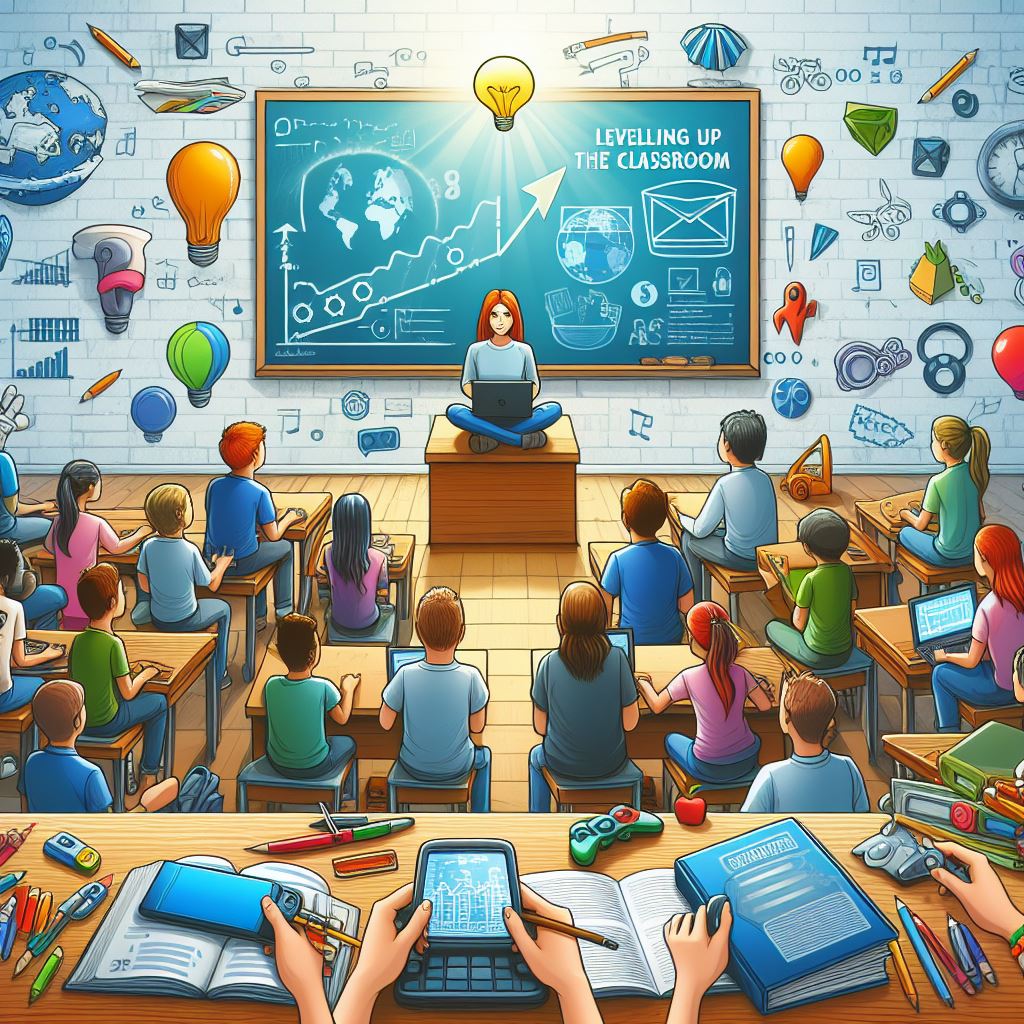
Leveling up the Classroom: How Gaming is Revolutionising Education
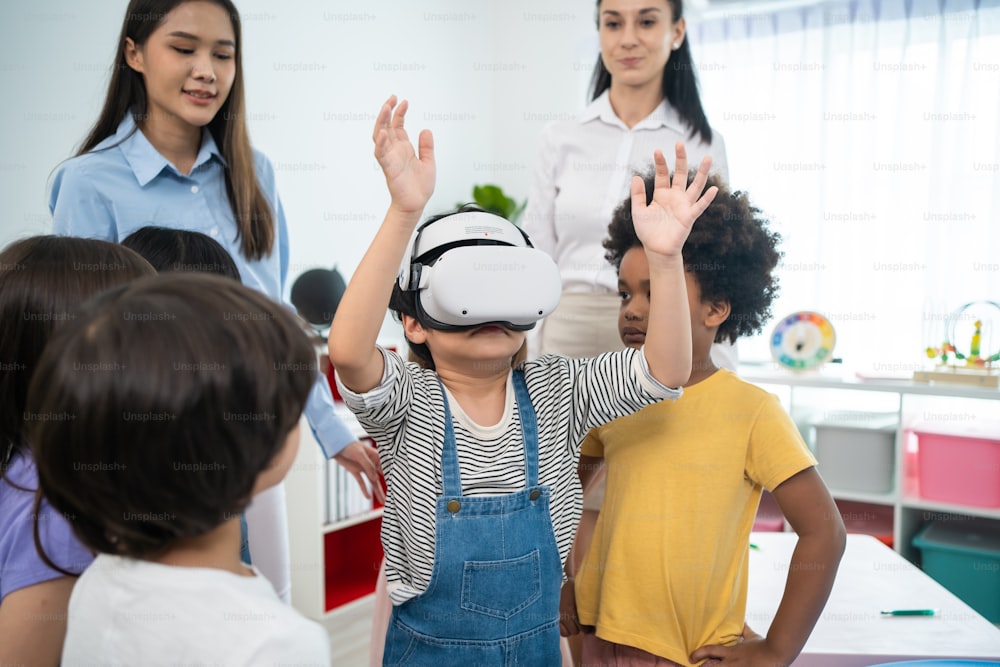
Image Source: Unsplash
In today’s ever-evolving world, education is no longer bound by the four walls of a traditional classroom. With the advent of technology, new and immersive teaching methods have emerged, and one of the most promising among them is gaming. Yes, you read that right – gaming is now revolutionising education.
By incorporating game-based learning into the curriculum, educators are finding innovative ways to engage students and enhance their learning experience. Through interactive and challenging gameplay, students are motivated to actively participate, problem-solve, and think critically. This can lead to improved retention and better understanding of complex concepts.
Moreover, gaming provides a safe space for students to make mistakes, learn from them, and grow. It nurtures creativity, collaboration, and resilience, skills essential for success in the 21st century. Whether it’s through educational video games, virtual reality simulations, or gamified lesson plans, teachers are harnessing the power of gaming to level up the classroom.
Join us as we explore the fascinating world of gaming in education and uncover the incredible impact it has on students’ learning journey. Get ready to witness the transformation of traditional education into an engaging and immersive experience like never before.
Benefits of gaming in education
Gaming in education offers a multitude of benefits that go beyond traditional teaching methods. Firstly, it enhances student engagement. Traditional lecture-style teaching often leads to disinterest and passive learning. However, when students are immersed in a game-based learning environment, they become active participants in their education. This increased engagement can result in higher motivation, better attention span, and improved knowledge retention.
Secondly, gaming promotes critical thinking and problem-solving skills. Many educational games are designed to present students with complex problems that require analytical thinking and creative solutions. By engaging in gameplay, students learn to think critically, analyze information, and make informed decisions. These skills are transferable to real-life situations, preparing students for the challenges they may face beyond the classroom.
Additionally, gaming fosters collaboration and teamwork. Many educational games incorporate multiplayer modes or cooperative gameplay, encouraging students to work together towards a common goal. Through collaboration, students develop communication skills, learn to listen to others’ perspectives, and practice effective teamwork. These skills are essential in today’s interconnected world, where collaboration is often required to solve complex problems.
Incorporating gaming in education also caters to different learning styles. Traditional teaching methods may not always resonate with every student, as individuals have unique learning preferences. Gaming provides a dynamic and interactive learning environment that appeals to visual, auditory, and kinesthetic learners. By offering a variety of game-based learning experiences, educators can cater to the diverse needs of their students and create a more inclusive classroom.
Overall, the benefits of gaming in education are vast. From increased engagement and critical thinking to fostering collaboration and catering to diverse learning styles, gaming has the potential to transform education and create a more effective and enjoyable learning experience for students.
Gamification in the classroom
Gamification, the process of incorporating game elements into non-game contexts, is an effective strategy to enhance learning in the classroom. By adding elements such as points, levels, badges, and leaderboards to educational activities, teachers can create a more engaging and motivating learning environment.
One of the key advantages of gamification is its ability to tap into students’ intrinsic motivation. When students are rewarded for their efforts and achievements, they feel a sense of accomplishment and pride, which encourages them to continue learning and progressing. This intrinsic motivation is crucial for long-term engagement and learning retention.
Gamification also promotes a sense of healthy competition among students. Leaderboards and rankings can create a friendly competitive atmosphere, where students strive to improve their performance and outperform their peers. This healthy competition not only motivates students to put in extra effort but also fosters a growth mindset, where students see failures as opportunities for improvement rather than setbacks.
Furthermore, gamification allows for personalized learning experiences. Teachers can tailor the game elements to individual students’ needs, providing challenges and rewards that are appropriate for their skill level. This individualization ensures that students are continuously engaged and challenged, as they progress at their own pace.
Incorporating gamification in the classroom can also help build a positive classroom culture. By celebrating achievements and encouraging collaboration, students feel supported and valued. This positive atmosphere promotes a sense of belonging and encourages students to take risks and explore new concepts without fear of failure.
Overall, gamification offers a powerful tool for educators to make learning more enjoyable, engaging, and effective. By leveraging game elements, teachers can create a dynamic and motivating classroom environment that enhances students’ learning experiences.
Incorporating educational games into the curriculum
The integration of educational games into the curriculum is a strategic approach to leverage the benefits of gaming in education. By aligning educational games with specific learning objectives, teachers can create a seamless integration of gameplay and academic content.
When selecting educational games, it is important to consider the relevance and alignment with the curriculum. Games that directly address the subject matter being taught can enhance students’ understanding and retention of key concepts. For example, a history teacher may choose a game that allows students to explore historical events and make decisions that impact the outcome. This interactive experience can deepen students’ understanding of history while making the learning process more enjoyable.
Additionally, it is crucial to consider the level of challenge and complexity of the game. Games that are too easy may not stimulate critical thinking, while games that are too difficult may frustrate students and hinder their learning progress. Striking the right balance is essential to ensure that students are appropriately challenged and engaged.
Furthermore, teachers should provide guidance and support during gameplay. While games offer an immersive learning experience, they should not replace the role of the teacher. Teachers can facilitate discussions, ask thought-provoking questions, and provide feedback to help students make connections between the gameplay and academic content.
To ensure the effective integration of educational games into the curriculum, it is important to provide clear instructions and objectives. Students should understand how the game relates to the learning goals and how their progress will be assessed. This clarity allows students to actively engage with the game and make meaningful connections to the academic content.
By incorporating educational games into the curriculum, teachers can create a dynamic and interactive learning environment that enhances students’ understanding and retention of key concepts. This integration allows for a seamless blend of gameplay and academic content, making learning more enjoyable and engaging for students.
Case studies of successful gaming in education initiatives
Gaming in education has gained significant traction in recent years, with numerous successful initiatives showcasing its potential to transform the learning experience. Let’s explore a few case studies that highlight the positive impact of gaming in education.
Case Study 1: Minecraft: Education Edition
Minecraft: Education Edition is a popular sandbox game that has been adapted for educational purposes. It offers a virtual world where students can explore, build, and collaborate on various projects. In a study conducted by the University of Hull, it was found that Minecraft: Education Edition increased student engagement and motivation, improved problem-solving skills, and enhanced creativity. Students were able to apply their knowledge in a practical and interactive way, leading to deeper understanding and retention of concepts.
Case Study 2: Kahoot!
Kahoot! is an interactive quiz platform that turns learning into a game. Teachers can create quizzes on any subject and students can participate using their own devices. A study conducted by the University of Oslo found that Kahoot! increased student engagement, improved knowledge retention, and promoted a positive learning atmosphere. The competitive nature of the game and the real-time feedback provided during quizzes motivated students to actively participate in their learning.
Case Study 3: Foldit
Foldit is an online game that challenges players to solve complex protein-folding puzzles. In a study conducted by the University of Washington, it was found that Foldit players were able to solve scientific problems that had stumped researchers for years. The game’s collaborative nature and engaging gameplay motivated players to contribute their problem-solving skills and creativity, leading to significant scientific breakthroughs.
These case studies demonstrate how gaming in education can have a profound impact on student engagement, motivation, problem-solving skills, and knowledge retention. By leveraging the power of games, educators can create immersive and interactive learning experiences that go beyond traditional teaching methods.
Challenges and considerations of using gaming in education
While gaming in education offers numerous benefits, there are also challenges and considerations that educators must address when implementing game-based learning strategies.
One of the main challenges is ensuring that educational games align with curriculum standards and learning objectives. It is essential to select games that cover the necessary content and provide a meaningful learning experience. Teachers must carefully evaluate the educational value of games and ensure that they meet the specific needs of their students.
Another challenge is the availability and accessibility of technology. Not all schools have the necessary resources to support game-based learning initiatives. Lack of access to devices, stable internet connections, or suitable software can hinder the implementation of gaming in education. It is important for educators to consider these limitations and explore alternative solutions or seek support from relevant stakeholders.
Furthermore, it is crucial to monitor and assess the impact of gaming in education. While anecdotal evidence and case studies showcase the potential benefits, it is important to gather empirical data to understand the effectiveness of game-based learning strategies. Conducting research and collecting data on student outcomes can help educators make informed decisions and continuously improve their game-based learning initiatives.
Another consideration is the balance between screen time and physical activity. While educational games can be highly engaging, it is important to ensure that students have a balanced learning experience that includes physical movement and social interactions. Incorporating physical activities or discussions alongside game-based learning can help create a holistic and well-rounded educational experience for students.
Lastly, educators must also address concerns about excessive gaming and potential addiction. While game-based learning can be highly motivating and engaging, it is important to set boundaries and establish clear guidelines for gameplay. Educators should emphasize the educational purpose of gaming and help students develop responsible gaming habits.
By addressing these challenges and considerations, educators can effectively navigate the implementation of game-based learning strategies and ensure a successful integration of gaming in education.
Resources and tools for implementing gaming in education
Implementing gaming in education requires access to appropriate resources and tools. Fortunately, there are a variety of resources available to support educators in incorporating game-based learning into their classrooms.
Educational Game Platforms
Numerous educational game platforms provide access to a wide range of games aligned with curriculum standards. Platforms such as Minecraft: Education Edition, Kahoot!, and Prodigy offer educational games that cover various subjects and grade levels. These platforms often provide additional resources, lesson plans, and assessment tools to support educators in integrating games into their teaching.
Online Communities and Forums
Online communities and forums dedicated to educational gaming can serve as valuable resources for educators. Websites such as Edutopia, TeachThought, and EdSurge provide articles, guides, and discussions on game-based learning strategies. Educators can connect with like-minded individuals, share experiences, and gather insights from experts in the field.
Professional Development Programs
Many organizations offer professional development programs and workshops specifically tailored to game-based learning in education. These programs provide educators with the necessary knowledge and skills to effectively integrate games into their teaching. Examples include the Institute of Play’s TeacherQuest program and the Game-Based Learning Certificate offered by the eLearning Guild.
Open Educational Resources (OER)
Open Educational Resources (OER) are freely accessible teaching and learning materials that can be used to support game-based learning initiatives. Websites such as OER Commons, OpenStax, and Khan Academy offer a wide range of resources, including educational games, lesson plans, and multimedia content. These resources can be customized to meet the specific needs of educators and students.
Game Design Tools
For educators interested in creating their own educational games, there are various game design tools available. Platforms such as Scratch, GameSalad, and Unity provide user-friendly interfaces and tutorials to help educators design and develop their own games. These tools allow educators to create games that are tailored to their specific teaching objectives and student needs.
These resources and tools provide educators with the necessary support to effectively implement game-based learning strategies in their classrooms. By leveraging these resources, educators can enhance student engagement, promote critical thinking, and create a more immersive and interactive learning experience.
Training and professional development for educators
To effectively integrate gaming in education, educators must receive adequate training and professional development opportunities. These initiatives provide educators with the necessary knowledge and skills to leverage game-based learning strategies in their classrooms.
Workshops and Conferences
Attending workshops and conferences dedicated to game-based learning in education can provide educators with valuable insights and practical strategies. These events often feature expert speakers, hands-on activities, and networking opportunities. Examples include the Games in Education Symposium, the Serious Play Conference, and the International Conference on Game-Based Learning.
Online Courses and Webinars
Online courses and webinars offer flexible and accessible professional development options for educators. Platforms such as Coursera, EdX, and FutureLearn offer courses specifically focused on game-based learning in education. These courses cover topics such as game design, assessment strategies, and pedagogical approaches. Webinars hosted by organizations like EdWeb and the Games and Learning Society provide opportunities to engage with experts and stay updated on the latest trends and research in game-based learning.
Professional Learning Communities
Joining professional learning communities dedicated to game-based learning can provide educators with ongoing support and collaboration opportunities. These communities can be online forums, social media groups, or local networking groups. Engaging in discussions, sharing experiences, and learning from other educators can help educators continuously improve their game-based learning initiatives.
Collaborative Projects and Partnerships
Collaborating with other educators, schools, or organizations can facilitate the sharing of best practices and resources. By working together on game-based learning projects, educators can gain new perspectives, access a wider range of resources, and engage in collaborative problem-solving. Partnerships with organizations such as museums, libraries, or game developers can also provide unique opportunities for educators to enhance their game-based learning initiatives.
Through training and professional development initiatives, educators can gain the necessary knowledge and skills to effectively integrate gaming in education. By continuously learning and adapting their teaching practices, educators can ensure that game-based learning strategies are implemented successfully and have a positive impact on student learning outcomes.
Future trends in gaming and education
As technology continues to advance, the future of gaming in education holds exciting possibilities. Here are some emerging trends that are shaping the future of gaming and education:
Virtual Reality (VR)
Virtual Reality (VR) is an immersive technology that provides a fully interactive and three-dimensional experience. VR in education offers opportunities for students to explore virtual worlds, engage in realistic simulations, and interact with content in a more immersive and hands-on way. From virtual field trips to historical reenactments, VR has the potential to revolutionize the way students learn and experience the world.
Augmented Reality (AR)
Augmented Reality (AR) overlays digital content onto the real world, enhancing the learning experience by adding interactive elements. AR in education allows students to interact with virtual objects, characters, and information in their real environment. From anatomy lessons to interactive storytelling, AR can bring abstract concepts to life and provide students with a more engaging and contextualized learning experience.
Artificial Intelligence (AI)
Artificial Intelligence (AI) has the potential to personalize the learning experience by adapting games and content to individual student needs. AI algorithms can analyze student performance, provide personalized feedback, and adapt the difficulty level of games in real-time. This personalized approach ensures that students are appropriately challenged and supported, leading to more effective and efficient learning.
Game-Based Assessment
Traditionally, assessments in education have focused on written exams and standardized tests. However, game-based assessment is emerging as an alternative approach to evaluate student learning. By embedding assessment within gameplay, educators can gather real-time data on student performance, problem-solving skills, and critical thinking abilities. Game-based assessment provides a more holistic and authentic evaluation of student learning, going beyond rote memorization and measuring higher-order thinking skills.
Mobile Gaming
The widespread use of mobile devices opens up new possibilities for game-based learning. Mobile gaming allows students to access educational games anytime and anywhere, providing flexibility and convenience. Mobile devices also enable seamless integration of game-based learning with other learning activities, such as multimedia content, online collaboration, and research. With the increasing adoption of mobile devices in education, mobile gaming is expected to play a significant role in the future of game-based learning.
As these trends continue to evolve, gaming in education will become even more immersive, personalized, and integrated into the learning experience. By embracing these trends and staying informed about the latest developments in game-based learning, educators can ensure that their teaching practices remain relevant and effective in the ever-changing landscape of education.
Conclusion: The future of education is gaming
Gaming is revolutionising education by providing innovative and immersive learning experiences. Through game-based learning, students are engaged, motivated, and equipped with essential skills for the 21st century. From increased engagement and critical thinking to promoting collaboration and catering to diverse learning styles, gaming has the potential to transform education and create a more effective and enjoyable learning experience for students.
By incorporating educational games into the curriculum, leveraging gamification strategies, and exploring emerging trends in gaming and education, educators can level up the classroom and prepare students for the challenges of the future. With the support of resources, tools, training, and professional development opportunities, educators can successfully navigate the implementation of game-based learning strategies and ensure a positive impact on student learning outcomes.
The future of education is gaming, and the possibilities are limitless. It’s time to embrace the power of gaming and unlock the full potential of education in the digital age. Let’s level up the classroom and revolutionize the way we teach and learn.