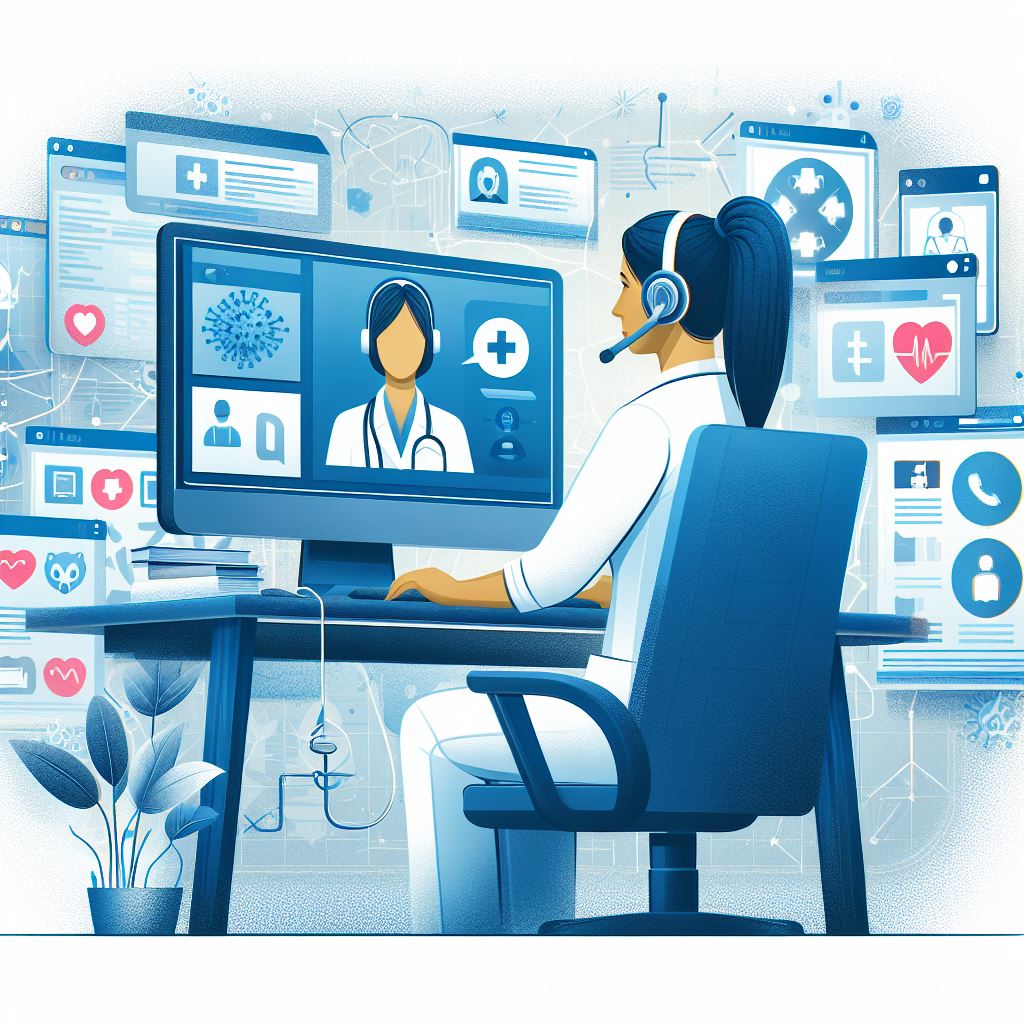
eLearning for Health
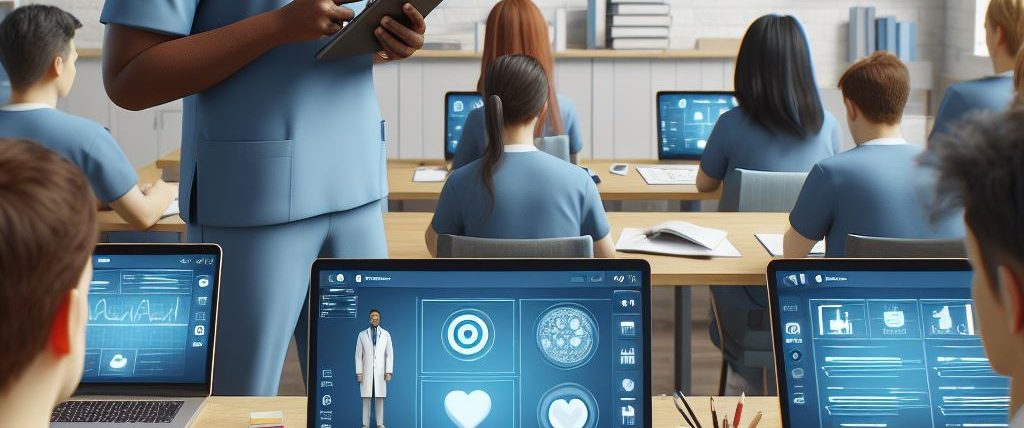
The Rise of eLearning in the Health Industry
In recent years, eLearning has gained tremendous popularity in various industries, and the healthcare sector is no exception. With the advancements in technology and the increasing need for flexible learning options, eLearning has emerged as a powerful tool in the field of healthcare. This section will explore the reasons behind the rise of eLearning in the health industry.
eLearning offers healthcare professionals and students the opportunity to access a vast array of educational resources at their fingertips. Gone are the days when one had to rely solely on textbooks and physical classrooms. With eLearning, individuals can now engage in online courses, webinars, interactive modules, and virtual simulations, all of which provide a dynamic and engaging learning experience.
The flexibility offered by eLearning is another significant factor driving its adoption in the health industry. Healthcare professionals often have demanding schedules, making it difficult to attend traditional classes. However, with eLearning, one can learn at their own pace and convenience. Whether it’s an early morning study session or a late-night review, eLearning allows individuals to enhance their skills and knowledge without compromising their busy schedules.
Additionally, eLearning facilitates continuous learning, a crucial aspect in the ever-evolving field of healthcare. With new research, technologies, and advancements emerging regularly, staying up-to-date is essential for healthcare professionals. eLearning platforms provide access to the latest information, enabling practitioners to expand their knowledge base and improve their patient care.
Benefits of eLearning for Health Professionals
eLearning offers numerous benefits for health professionals, making it an attractive option for career development and continuing education. This section will delve into the advantages that eLearning brings to the table for healthcare professionals.
Firstly, eLearning provides accessibility and convenience. With traditional learning methods, health professionals often had to travel to attend workshops or conferences. This not only incurred travel expenses but also limited their options due to geographical constraints. However, eLearning eliminates these barriers by allowing professionals to access courses and resources from anywhere in the world, at any time. This accessibility ensures that healthcare professionals can access high-quality education without being limited by their physical location.
Secondly, eLearning allows for personalized learning experiences. Every individual has a unique learning style and pace. With eLearning, health professionals can tailor their learning experience to suit their specific needs. Whether it’s revisiting a challenging topic or diving deeper into an area of interest, eLearning platforms offer the flexibility to customize the learning journey. This personalized approach enhances engagement and retention, ultimately leading to improved knowledge acquisition and application.
Another significant advantage of eLearning is the cost-effectiveness it offers. Traditional forms of education often come with hefty price tags, including tuition fees, accommodation costs, and travel expenses. On the other hand, eLearning courses are generally more affordable, and in many cases, even free. This affordability allows healthcare professionals to access high-quality education without straining their budgets, making it an attractive option for career development.
eLearning Platforms for Health Education
With the increasing popularity of eLearning, several platforms have emerged to cater specifically to health education. These platforms offer a wide range of courses and resources tailored to the needs of healthcare professionals. In this section, we will explore some of the leading eLearning platforms in the health industry.
One notable platform is Coursera, which partners with leading universities and institutions to offer online courses in various healthcare disciplines. Coursera provides a vast selection of courses, ranging from clinical research and public health to nursing and medical imaging. The platform offers both free and paid courses, allowing individuals to choose based on their requirements and budget.
Another prominent platform is Udemy, known for its extensive library of online courses across various industries. Udemy offers a diverse range of healthcare-related courses, including topics like medical coding, nutrition, and mental health. With thousands of courses to choose from, healthcare professionals can find the specific content they need to enhance their skills and knowledge.
LinkedIn Learning is also a valuable platform for health professionals seeking eLearning opportunities. With a focus on professional development, LinkedIn Learning offers courses that cover a wide range of healthcare topics, including healthcare management, patient care, and medical ethics. The platform also provides a personalized learning experience, recommending courses based on individual interests and career goals.
Top Online Courses for Health Professionals
When it comes to eLearning for health professionals, the choice of courses can be overwhelming. To help you navigate through the vast array of options, this section will highlight some of the top online courses available for healthcare professionals.
- “Introduction to Health and Wellness” – This course, offered by the University of California, San Francisco, provides a comprehensive overview of health and wellness, covering topics such as nutrition, exercise, stress management, and disease prevention.
- “Medical Neuroscience” – Offered by Duke University, this course explores the structure and function of the human nervous system. It delves into topics like neuroanatomy, neurophysiology, and neurological disorders, providing a solid foundation in neuroscience for healthcare professionals.
- “Infection Prevention and Control” – This course, offered by the University of Geneva, focuses on preventing and controlling infections in healthcare settings. It covers topics such as hand hygiene, sterilization, and the management of healthcare-associated infections.
- “Introduction to Clinical Data Science” – Offered by the University of Washington, this course introduces healthcare professionals to the field of data science and its applications in clinical practice. It covers topics like data analysis, predictive modeling, and machine learning, equipping professionals with valuable skills for evidence-based decision-making.
- “Medical Terminology” – This course, offered by the University of Minnesota, provides a comprehensive understanding of medical terminology, including the prefixes, suffixes, and root words commonly used in healthcare. It is an essential course for healthcare professionals looking to improve their communication skills and medical documentation.
These are just a few examples of the wide range of online courses available for healthcare professionals. When choosing a course, it is crucial to consider factors such as the course content, instructor expertise, and user reviews to ensure a high-quality learning experience.
How to Choose the Right eLearning Course for Your Needs
With the plethora of eLearning courses available, selecting the right one can be a daunting task. This section will provide some tips to help you choose the best eLearning course for your specific needs.
Firstly, consider your learning goals and objectives. Determine what knowledge and skills you want to acquire through the course. Are you looking to enhance your clinical skills, gain knowledge in a specific healthcare field, or develop leadership skills? Clearly defining your goals will help you narrow down the options and find a course that aligns with your objectives.
Next, research the course content and curriculum. Look for courses that cover the topics you are interested in and provide comprehensive and up-to-date information. Read the course descriptions, syllabus, and user reviews to gain insights into the quality and relevance of the content. It is also helpful to check if the course offers any additional resources, such as reading materials or interactive modules, to enhance the learning experience.
Consider the credibility and expertise of the course instructors. Look for courses taught by experienced professionals or reputable institutions. Research the instructors’ backgrounds, qualifications, and industry experience. Courses led by knowledgeable and experienced instructors are more likely to provide valuable insights and practical knowledge.
Evaluate the learning format and delivery method. Different courses employ various methods, such as video lectures, interactive quizzes, case studies, or live webinars. Consider your preferred learning style and choose a course that aligns with your preferences. Some individuals thrive in interactive environments, while others prefer self-paced learning. Select a course that suits your learning preferences to ensure maximum engagement and retention.
Finally, take advantage of free course previews or trial periods. Many eLearning platforms offer the opportunity to preview a portion of the course or access it for a limited period. Take advantage of these previews to get a feel for the course structure, content, and instructor style. This firsthand experience will help you make an informed decision before committing to a course.
By considering these factors and conducting thorough research, you can select the right eLearning course that meets your learning needs and helps you achieve your professional goals.
Tips for Successful eLearning in the Health Industry
While eLearning offers significant advantages, it also requires a certain level of discipline and commitment to ensure successful learning outcomes. This section will provide some tips to help healthcare professionals make the most of their eLearning experience.
- Establish a study routine: Treat eLearning as you would traditional education by dedicating specific times for studying. Create a study schedule and stick to it, ensuring regular and consistent learning.
- Create a conducive learning environment: Find a quiet and comfortable space where you can focus on your studies without distractions. Minimize noise, turn off notifications on your devices, and create a physical environment that promotes concentration.
- Set realistic goals: Break down your learning objectives into manageable goals. This will help you stay motivated and track your progress. Celebrate small victories along the way to maintain enthusiasm and drive.
- Engage with the course materials: Actively participate in the learning process by taking notes, highlighting key points, and engaging in discussions or forums if available. Interacting with the course materials will enhance comprehension and retention.
- Seek clarification and support: If you have any questions or need clarification on course content, don’t hesitate to reach out to the course instructor or fellow learners. Utilize the resources available to ensure a thorough understanding of the material.
- Practice self-assessment: Regularly assess your understanding of the course material through quizzes, self-tests, or practice exercises. This will help identify areas that need further review or reinforcement.
- Network with fellow learners: Join online communities or forums related to your course or healthcare field. Engaging with other learners can provide valuable insights, support, and networking opportunities.
- Take breaks and practice self-care: eLearning can be intense, so remember to take regular breaks to rest and recharge. Prioritize self-care activities such as exercise, healthy eating, and sufficient sleep to maintain overall well-being.
By implementing these tips, healthcare professionals can optimize their eLearning experience and achieve their learning goals effectively.
Case Studies: How eLearning Has Improved Patient Care
The adoption of eLearning in the health industry has yielded tangible benefits in terms of improving patient care. This section will explore a few case studies that demonstrate how eLearning has positively impacted patient outcomes.
- Telehealth training: The COVID-19 pandemic highlighted the importance of telehealth in delivering healthcare services remotely. eLearning played a crucial role in training healthcare professionals on telehealth practices, including virtual consultations and remote monitoring. As a result, healthcare providers were able to offer uninterrupted care to patients while minimizing the risk of infection.
- Medical simulation: eLearning platforms with virtual simulation capabilities have revolutionized medical training. Healthcare professionals can now practice complex procedures, such as surgical techniques or emergency response, in a safe and controlled virtual environment. This hands-on training has led to improved competency and confidence among healthcare professionals, ultimately benefiting patients.
- Continuing education: eLearning has made continuous learning more accessible for healthcare professionals. With the ability to access courses and resources at any time, practitioners can stay up-to-date with the latest research, guidelines, and advancements in their respective fields. This continuous learning directly translates into improved patient care, as healthcare professionals can apply evidence-based practices in their daily practice.
These case studies demonstrate the transformative impact of eLearning on patient care. By leveraging the benefits of eLearning, healthcare professionals can enhance their skills, stay informed, and ultimately provide better care to their patients.
eLearning Resources for Patient Education
While eLearning is primarily focused on healthcare professionals, it also plays a significant role in patient education. This section will explore some eLearning resources that empower patients to take an active role in their healthcare journey.
- Online health portals: Many healthcare providers now offer online portals that provide patients with access to their medical records, test results, and educational resources. These portals often include eLearning modules on various health topics, enabling patients to learn about their conditions, treatment options, and self-care strategies.
- Mobile applications: With the widespread use of smartphones, mobile applications have become popular tools for patient education. Apps offer interactive and engaging learning experiences, allowing patients to learn about their health conditions, track their symptoms, and receive personalized health recommendations.
- Web-based educational platforms: Numerous websites and platforms provide patient-specific eLearning resources. These platforms offer educational videos, articles, and interactive tools that empower patients to understand their health conditions, make informed decisions, and actively participate in their care.
By utilizing these eLearning resources, patients can become well-informed and engaged partners in their healthcare journey, leading to improved health outcomes and patient satisfaction.
Challenges and Solutions in eLearning for Health
While eLearning brings numerous benefits to the health industry, it is not without its challenges. This section will highlight some common challenges faced in eLearning for health and provide potential solutions.
- Technological barriers: Not all healthcare professionals or students may have access to reliable internet connections or the necessary devices for eLearning. To overcome this challenge, organizations can provide support in terms of providing devices or internet connectivity, or utilizing offline eLearning methods such as downloadable materials or offline applications.
- Lack of personal interaction: eLearning can sometimes lack the personal interaction and hands-on experience provided by traditional learning methods. To address this, eLearning platforms can incorporate interactive elements such as virtual simulations, case studies, or discussion forums to foster engagement and collaboration among learners.
- Quality control: With the abundance of eLearning resources available, ensuring the quality and accuracy of content can be a challenge. To address this, organizations can implement rigorous review processes, work with reputable content providers, and encourage user feedback to continuously improve the quality of eLearning materials.
- Motivation and self-discipline: eLearning requires self-motivation and discipline to stay on track with the coursework. To combat this challenge, healthcare professionals can set clear goals, establish study routines, and leverage support systems such as study groups or accountability partners.
By addressing these challenges head-on and implementing suitable solutions, the full potential of eLearning in the health industry can be realized.
Conclusion: The Future of eLearning in the Health Industry
eLearning has revolutionized the way healthcare professionals learn and grow in their careers. Its accessibility, flexibility, and continuous learning opportunities have made it an essential tool in the health industry. As technology continues to advance and the demand for lifelong learning increases, the future of eLearning in the health industry looks promising.
With the ongoing development of virtual reality (VR) and augmented reality (AR) technologies, eLearning experiences are expected to become even more immersive